


More news on this day
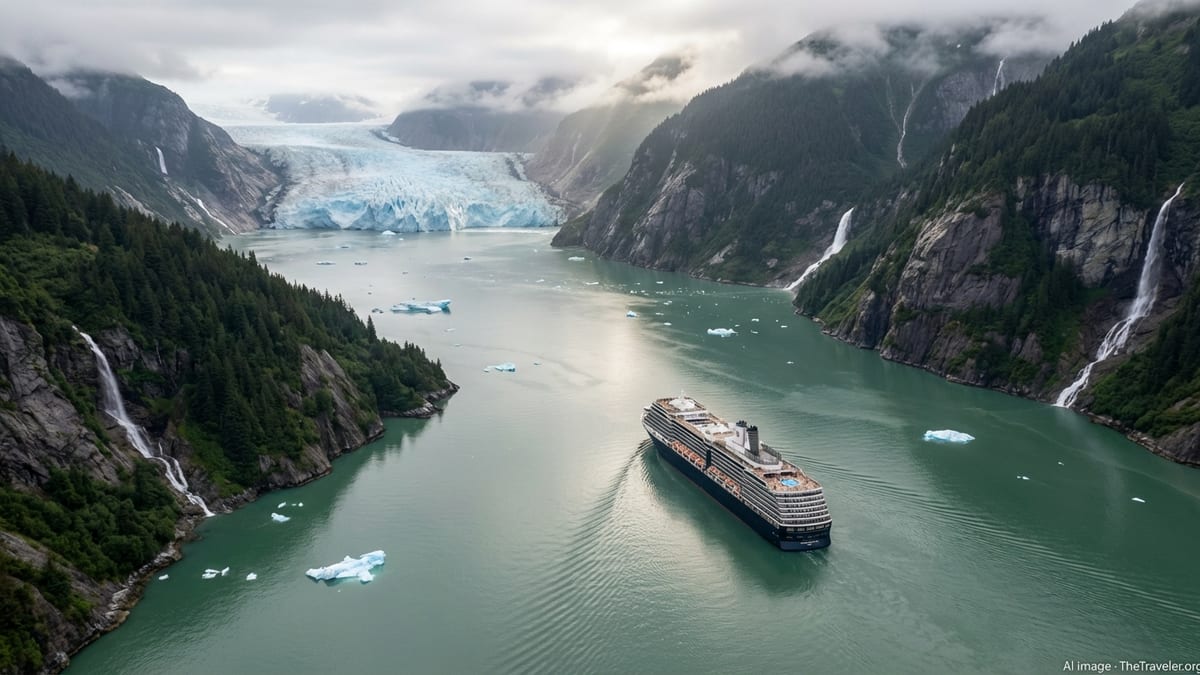
As heatwaves and overtourism reshape European holiday habits, more travelers are booking “coolcations” along Norway’s fjord-indented coast, with Havila Voyages positioning its LNG and battery-hybrid ships as a lower-emission way to experience the country’s iconic seascapes.
Get the latest news straight to your inbox!
Cooler Climates Gain Ground in European Travel
Recent seasons have seen a marked shift in European travel demand toward cooler northern destinations, as summer temperatures climb in traditional hotspots around the Mediterranean. Industry surveys and tourism reports indicate that a growing share of travelers are deliberately choosing milder climates and nature-focused trips in countries such as Norway, Sweden and Iceland, a trend that travel marketers have labeled “coolcations.”
Analyses of booking data across northern Europe suggest that heat, concerns over crowding and a rising interest in sustainable travel are combining to push demand northward. One report on tourism in northern Europe found that roughly one in five European travelers now plans to avoid overly hot destinations at the height of summer, opting instead for cooler regions and shoulder seasons. This pattern has contributed to record visitor numbers in parts of Scandinavia, including Norway, where tourism volumes have reached new highs in the last two years.
Visit-oriented information platforms note that Norwegian summers typically bring daytime temperatures in the low to mid-20s Celsius along much of the coast, with long, bright evenings and, in the far north, weeks of midnight sun. These conditions are being promoted by national and regional tourism bodies as a comfortable alternative to more extreme heat further south, reinforcing Norway’s appeal as a climate-conscious retreat.
Travel discussion forums and consumer research point to a growing number of visitors from continental Europe and the United Kingdom who now view Norway not only as a winter and shoulder-season destination, but as a viable replacement for traditional beach holidays during peak summer. For many, a coastal voyage through the fjords has become the centerpiece of that cooler escape.
Green Shipping Rules Reshape Fjord Tourism
Norway’s policy framework is accelerating this shift toward lower-impact coastal travel. The country has committed to steep cuts in maritime emissions, particularly in sensitive areas such as the West Norwegian fjord landscape, which holds UNESCO World Heritage status. Over the past decade, national action plans and maritime regulations have steadily tightened air pollution and climate requirements for ships operating in these narrow, steep-sided waterways.
The Norwegian Maritime Authority and government ministries have outlined zero-emission goals for cruise ships, tourist boats and ferries serving the World Heritage fjords, including Geirangerfjord and Nærøyfjord. Regulations adopted and refined in recent years indicate that passenger vessels entering these areas must move toward energy sources that eliminate direct carbon dioxide and methane emissions, with staged deadlines tied to vessel size. Policy documents underline that the aim is to protect fragile ecosystems, reduce local air pollution and safeguard the visual and acoustic environment that underpins fjord tourism.
Although the exact timetable and scope of the rules have been adjusted over time, the direction of travel remains clear: ships visiting Norway’s most renowned fjords will need significantly cleaner propulsion systems. Industry briefings note that this is already influencing ship design, itineraries and investment decisions, as operators weigh the costs of retrofitting conventional tonnage against the benefits of deploying vessels built for stricter environmental performance from the outset.
Travel trade coverage highlights Norway as one of the world’s most ambitious testbeds for low and zero-emission shipping. The fjords are a focal point for this transition, both because they are a core part of the country’s tourism brand and because their geography concentrates emissions and noise. As new requirements take effect, operators that can demonstrate quieter, cleaner operations are expected to gain a competitive advantage in the fjord tourism market.
Havila Voyages Bets on LNG and Battery Hybrids
Havila Voyages, which operates part of the historic coastal route between Bergen and Kirkenes, has sought to align its business with these regulatory and market shifts. Publicly available company information describes a fleet of modern coastal ships powered by a combination of liquefied natural gas and large battery packs, a configuration intended to cut greenhouse gas emissions compared with traditional marine diesel while enabling silent, emission-free operation for limited periods.
According to the company’s sustainability material, the LNG and battery-hybrid system is designed to reduce carbon dioxide emissions by around one-third relative to conventional fuel setups, with additional cuts in local pollutants such as nitrogen oxides and particulate matter. Heat recovery systems further improve overall energy efficiency, while hull forms and operating profiles are optimized for the relatively low speeds and frequent port calls along Norway’s jagged coastline.
Havila has set out targets of achieving climate-neutral vessel operations by 2028 and fully emission-free sailing along the route by 2030. To reach those goals, the company is exploring a shift from fossil LNG to biogas, along with larger battery capacities and future fuels. Maritime industry coverage in Scandinavia has reported that test voyages using a high share of biogas are planned, positioning the line to adapt as more sustainable fuel supplies become available.
These investments place Havila among a small group of operators whose ships already comply with some of the most demanding environmental standards proposed for Norway’s World Heritage fjords. Industry observers note that this could open opportunities in a future regulatory landscape where access to the most sensitive fjords is increasingly linked to emissions performance and noise reduction.
Extended Fjord Seasons Target Coolcation Demand
Havila is also adjusting its itineraries to capture rising interest in Norway as a cool-season and summer refuge. In June 2024, the company announced that it would extend its Geirangerfjord season from 2025, adding more shoulder-season calls by its hybrid coastal ships. Press material indicates that the first call of the expanded season is scheduled for early April 2025, with plans to continue the extended schedule at least through 2027.
The move is presented as a response to both passenger demand and forthcoming environmental regulations in the fjords. By operating quieter, lower-emission ships on a longer timetable, Havila aims to spread visitor traffic over more weeks and avoid concentrating sailings in the busiest part of the summer. Company information also highlights the use of noise forecasting tools in Geirangerfjord to help manage cumulative impacts on wildlife and local communities.
Travel industry analysts suggest that extended seasons of this kind dovetail with shifting traveler preferences. Many visitors seeking coolcations are willing to travel earlier or later in the year, trading guaranteed heat for calmer conditions and lighter crowds. Longer fjord seasons allow operators to attract these visitors while easing peak-season pressure in small ports and villages that have expressed concerns about overtourism.
For coastal towns along the classic Bergen to Kirkenes route, a more evenly distributed flow of passengers can also support local businesses throughout a greater share of the year. Accommodation providers, guides and shore-excursion companies can plan for a more stable season, rather than a short, intense summer spike.
Balancing Growth, Climate and Local Communities
The rise of Norway as a coolcation hotspot, combined with the push for cleaner fjord shipping, is forcing a rethinking of how coastal tourism grows. National policy documents on green shipping emphasize that cruise and ferry traffic must be integrated into broader tourism strategies that consider climate goals, local air quality, employment and community well-being.
Stakeholders in Norway’s tourism and maritime sectors are debating how best to balance these priorities. On one side, increasing visitor numbers promise economic benefits, particularly for rural regions that rely heavily on seasonal trade. On the other, there are fears that unchecked growth could strain infrastructure, drive up housing costs and erode the very sense of tranquility that draws visitors in the first place.
Havila’s approach, centered on lower-emission vessels, extended seasons and closer alignment with environmental regulations, illustrates one pathway through this tension. By investing in technology that reduces emissions and noise, the company is aiming to secure long-term access to Norway’s most sensitive fjords while appealing to travelers whose choice of destination is influenced by climate considerations.
As coolcations become a more established segment of the European travel market, Norway’s experience will likely be closely watched. The combination of rigorous maritime climate policy, rapid adoption of hybrid and alternative-fuel ships, and evolving visitor expectations is turning the country’s fjords into a laboratory for greener, cooler tourism. Operators such as Havila Voyages are at the center of this experiment, shaping how future travelers will experience one of Europe’s most celebrated coastal landscapes.