


More news on this day
Norwegian Cruise Line is facing a new maritime medical malpractice lawsuit after a Washington State parent alleged that shipboard medical staff on the Norwegian Aqua failed to properly diagnose and treat the family’s minor child for appendicitis, leading to a ruptured appendix and long-term injuries.
Get the latest news straight to your inbox!
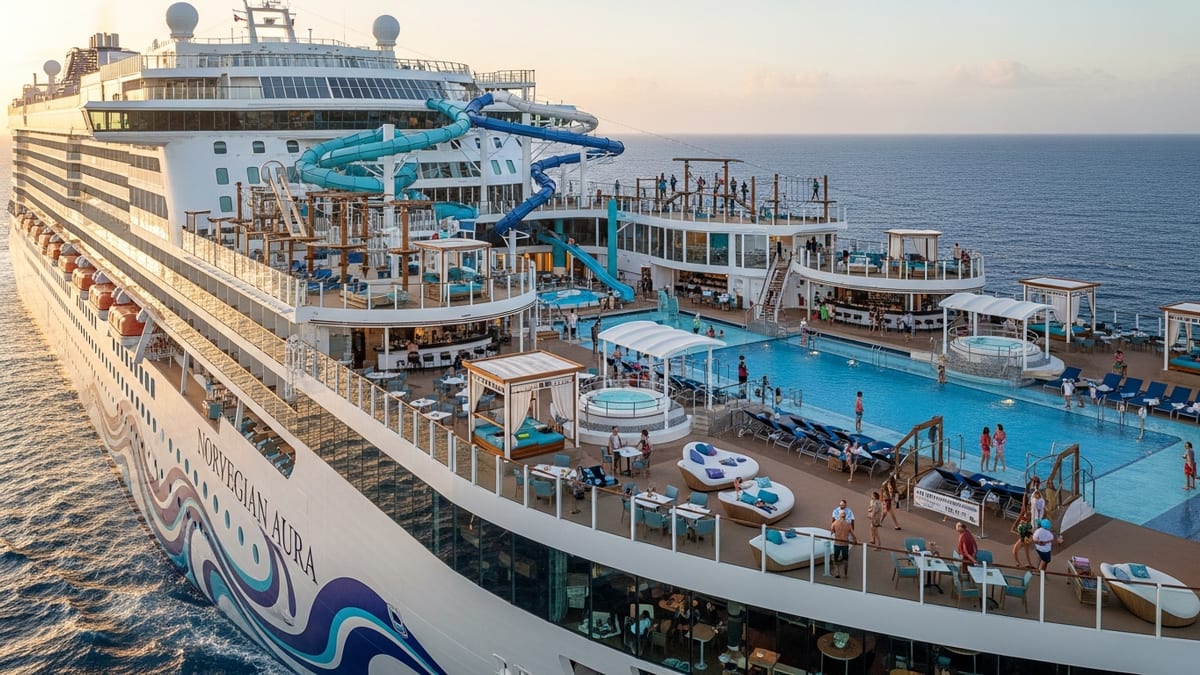
Lawsuit Filed After Medical Emergency Aboard Norwegian Aqua
According to publicly available court filings and legal commentary, the complaint was lodged in the U.S. District Court for the Southern District of Florida in early July 2026. The case, brought on behalf of a minor passenger, names NCL (Bahamas) Ltd., doing business as Norwegian Cruise Line, along with two shipboard physicians as defendants.
The filings describe a family cruise on Norwegian Aqua during which the child reportedly began suffering severe abdominal pain, vomiting and other gastrointestinal symptoms. The family sought help at the ship’s medical center, where clinicians documented escalating symptoms over multiple visits.
Legal summaries of the complaint state that despite what are described as classic clinical signs of appendicitis, ship medical staff initially treated the condition as a gastrointestinal irritation and discharged the child on more than one occasion. The lawsuit alleges that this course of care allowed the illness to progress until the appendix ruptured.
The child was ultimately evacuated from the vessel to a shoreside facility, where emergency surgery was performed. The suit contends that the delay in diagnosis and treatment led to serious complications and permanent injuries, and it seeks monetary damages under general maritime law.
Claims of Misdiagnosis and Understaffed Medical Facilities
The complaint accuses Norwegian Cruise Line and its medical personnel of failing to timely recognize and respond to what plaintiffs characterize as a textbook presentation of appendicitis. Court papers referenced in legal reporting indicate that onboard medical records allegedly showed right lower quadrant abdominal tenderness, fever, and a positive exam at a point commonly associated with appendicitis, along with elevated inflammatory markers in blood tests.
Despite those findings, the suit claims that medical staff continued to treat the condition conservatively, reportedly diagnosing acute gastritis and sending the child back to the cabin. Only after the child’s pain intensified and mobility reportedly declined to the point of being unable to stand was the situation escalated, according to the legal account of events.
Beyond individual clinical decisions, the lawsuit also challenges the overall readiness of the Norwegian Aqua’s medical center. The filing contends that Norwegian Cruise Line breached its duty of reasonable care by failing to adequately staff, train and equip the onboard facility for serious pediatric emergencies during a busy sailing period.
Legal observers note that plaintiffs in maritime medical cases often argue that cruise operators control hiring decisions, onboard protocols and medical resources, even when contractual language characterizes doctors as independent contractors. Norwegian Cruise Line’s terms and conditions typically include language limiting the company’s responsibility for the actions of medical personnel, a provision that regularly becomes a focal point in litigation.
Maritime Medical Malpractice in the Cruise Industry Spotlight
The Norwegian Aqua case emerges against a backdrop of past litigation over shipboard treatment of appendicitis and other time-sensitive conditions. Court records and legal analyses highlight prior cases in which U.S. appellate courts weighed whether cruise operators could be held vicariously liable for the negligence of onboard doctors and nurses providing care to passengers.
In earlier decisions involving other cruise brands, higher courts have examined how general maritime law, corporate structure and ticket contract language intersect when a passenger suffers a medical emergency at sea. Some rulings have opened the door for passengers to seek recovery directly from cruise companies in addition to individual medical professionals, while others have emphasized contractual limitations and jurisdictional barriers.
Maritime law specialists say that cases involving children can intensify scrutiny of shipboard standards of care, especially when the alleged condition is one that land-based emergency departments routinely diagnose and treat. The Norwegian Aqua lawsuit is expected to test how fact finders view the actions of the vessel’s medical team in light of what plaintiffs describe as progressively worsening symptoms over several days.
The case also underscores the practical challenges of delivering hospital-style care aboard large cruise ships. While major lines promote their medical centers as equipped for urgent needs, they operate in a constrained environment that often relies on stabilization, remote consultation and medical evacuation rather than comprehensive in-house treatment for complex conditions.
What the Case Could Mean for Cruise Travelers
For travelers and families considering future cruises, the Norwegian Aqua lawsuit may prompt closer attention to the fine print of ticket contracts and travel insurance policies. Cruise contracts typically spell out where lawsuits must be filed, what time limits apply, and how responsibility for onboard medical care is allocated between the cruise line and individual providers.
Travel insurance and third party medical coverage can play a significant role when serious illness arises at sea. Industry guidance generally recommends that passengers verify whether their health insurance covers treatment off the ship, including emergency evacuations, and whether any supplementary policy will reimburse shipboard clinic charges.
Consumer advocates often suggest that families, particularly those traveling with children or individuals who have underlying medical conditions, familiarize themselves with onboard medical capabilities before sailing. This can include reviewing publicly posted health and safety information, learning basic procedures for seeking emergency care on the vessel, and understanding how decisions about medical evacuation are made.
The Norwegian Aqua case could also influence how cruise operators describe medical services in marketing materials, as plaintiffs in past lawsuits have sometimes cited promotional language when arguing that passengers reasonably relied on promises of modern facilities and experienced practitioners.
Norwegian Aqua and Ongoing Scrutiny of Cruise Ship Safety
Norwegian Aqua is one of Norwegian Cruise Line’s newer vessels, marketed as a family oriented ship with high passenger capacity and a broad mix of activities for adults and children. The presence of large numbers of young guests can heighten expectations around pediatric readiness, from injury response in water play areas to the recognition of serious illnesses that may initially resemble minor stomach upset.
Published commentary and passenger accounts across the cruise sector show that onboard medical experiences can vary widely. Some travelers describe efficient and compassionate care for acute problems at sea, while others report concerns about diagnostic decisions, communication and the cost of treatment and medications charged to onboard accounts.
The newly filed lawsuit over the child’s ruptured appendix adds to a growing body of public discussion about the standards that should apply when medical clinics operate on passenger vessels that function as floating resorts. As the Norwegian Aqua case proceeds, court filings and subsequent rulings are likely to be monitored closely by legal practitioners, consumer advocates and cruise travelers alike.
Norwegian Cruise Line had not issued a detailed public response in the material reviewed for this article. The company has historically emphasized its commitment to guest safety in general statements and customer facing policies, and any formal legal response in this case is expected to outline the operator’s position on the care provided aboard Norwegian Aqua and the scope of its responsibilities under maritime law.