


More news on this day
Norwegian Cruise Line is introducing an unusual twist to the start of an upcoming itinerary, with one of its ships scheduled to remain docked in Miami for the entire first night of the cruise instead of sailing shortly after departure.
Get the latest news straight to your inbox!
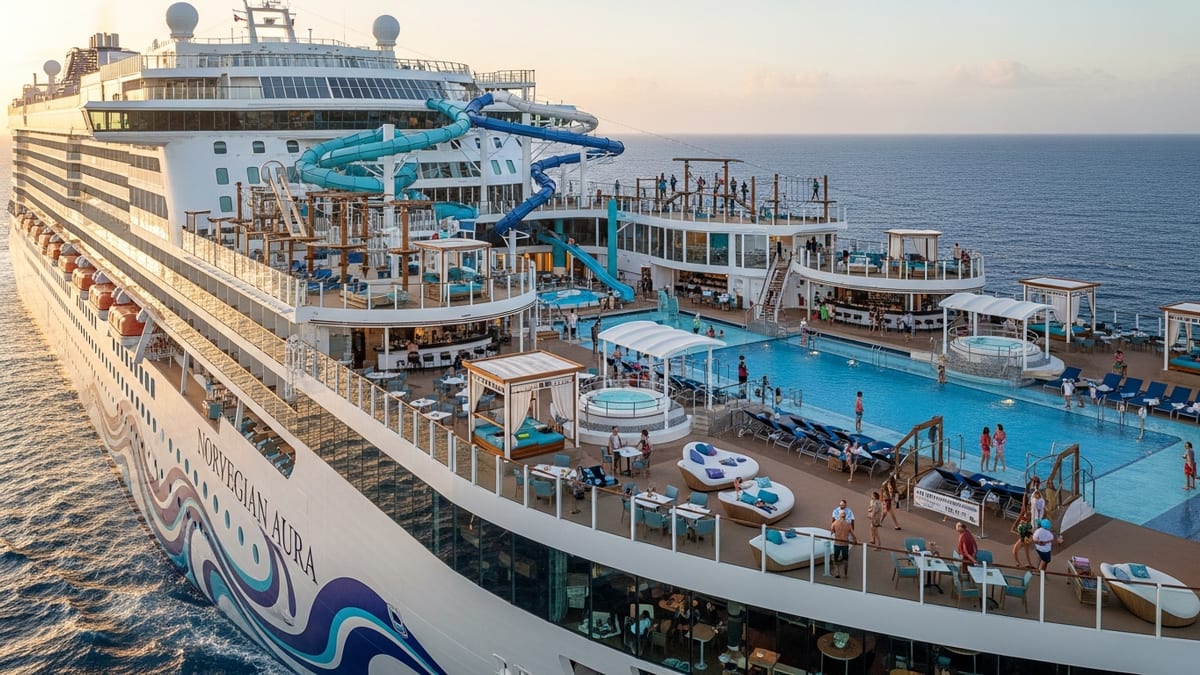
A Rare Overnight Start From a Major U.S. Homeport
Publicly available schedule information for an upcoming Norwegian Cruise Line voyage shows the ship embarking guests in Miami, then remaining alongside in port through the night before sailing the following day. Overnight calls are more commonly associated with destination-focused itineraries in places such as Bermuda or select European cities, and it is relatively rare for a mainstream line to keep a ship in its U.S. homeport once a cruise has officially begun.
The overnight arrangement effectively turns embarkation day into an extended day in Miami. Instead of the familiar pattern of afternoon sail-away and evening at sea, guests will board, complete the safety drill, and then have additional hours to explore the city or settle into the ship while it stays moored at the pier. For travelers flying in on the same day, the schedule reduces the pressure of tight arrival windows, as the ship is not due to leave the harbor until later on the itinerary.
Port timetables consulted by travel agents and cruise-tracking websites indicate that the ship is booked at a Miami cruise terminal through the morning of the second calendar day of the voyage. This confirms that the ship’s first midnight of the cruise will be spent in port rather than underway, a configuration that remains unusual among mass-market Caribbean and Bahamas sailings.
Operational Flexibility Behind the Unusual Itinerary
Cruise deployment data and industry commentary suggest several possible reasons for structuring a voyage with an initial overnight in Miami. Lines sometimes build in extended time at a homeport to accommodate ceremonial events such as inaugurals, media sailings, or trade previews, which benefit from having the ship easily accessible to local invitees without the complications of tender operations or shuttle logistics.
Keeping the ship in port on the first night can also offer scheduling flexibility within a crowded cruise calendar. Major ports like Miami manage multiple simultaneous departures across several terminals, with ship arrivals and departures carefully staggered. An itinerary that delays its departure until day two can help spread out traffic, freeing mid-afternoon berth space for another vessel while still allowing the overnight ship to remain tied up at an adjacent terminal.
From an operational standpoint, an overnight stay leaves additional time for late-arriving supplies, technical work, or fine-tuning on-board systems, particularly if the ship is coming off a repositioning, a dry dock, or a period of test sailing. Publicly accessible port documentation for other cruise brands shows that overnight homeport calls are sometimes used in the days following technical upgrades or interior refreshes, when extra buffer time can be valuable.
What the Overnight Means for Guests
For passengers, spending the first night docked in Miami changes the rhythm of embarkation day and can open up extra options. Guests who arrive early may find they can disembark in the late afternoon or evening to revisit the city’s restaurants and nightlife before returning to sleep on board. Others may prefer to remain on the ship, taking advantage of a quieter pool deck and dining venues while the skyline of Miami forms a stationary backdrop rather than part of a sail-away panorama.
Because the voyage has officially begun, guests are expected to treat the overnight call like any other port stop in terms of check-in, security, and all-aboard times. Once checked in, their cabin becomes their base for the duration of the cruise, even if the ship has not yet left the pier. Published accounts from similar homeport overnights on other lines describe a relaxed atmosphere on board, with guests using the extra time to unpack, explore entertainment options, and recover from travel before the ship encounters open seas.
Travelers considering such an itinerary may want to pay close attention to local transportation and parking arrangements. An overnight in port can make it easier for South Florida residents to board after work or manage staggered arrivals for larger groups, but it also means guests who choose to go back ashore on embarkation night must follow port security rules and published re-boarding deadlines.
Broader Trends in Cruise Itineraries
The planned overnight start in Miami fits into a gradual broadening of cruise scheduling patterns, as lines test new ways to differentiate short sailings to popular regions like the Bahamas and Caribbean. Trade publications and itinerary announcements across several brands show growing interest in overnight stays at marquee ports, whether at the beginning, middle, or end of a cruise, as a way to add perceived value without radically extending voyage length.
While destination overnights typically focus on cities such as Nassau, Cozumel, or select private islands, a homeport overnight can appeal to a different segment of travelers. Miami is already one of the world’s best-known cruise gateways, with an established tourism infrastructure, extensive hotel inventory, and a year-round influx of visitors. Structuring a cruise so that guests enjoy both the city and the ship on the same night effectively turns embarkation into an additional urban port call.
Industry observers note that such experiments remain limited in number, and most Norwegian Cruise Line sailings from Miami and other Florida ports continue to follow the familiar pattern of late-afternoon departure on day one. However, the decision to schedule an overnight at the start of a cruise highlights how operators are using port time creatively, especially as they seek to stand out in a competitive short-cruise market.
Considerations for Booked and Prospective Passengers
Passengers already holding reservations on Norwegian Cruise Line sailings that include an overnight in Miami are being advised through booking portals and travel advisors to check their final documents for exact boarding times, departure schedules, and any special instructions. In some cases, publicly available information for similar itineraries indicates that on-board entertainment and dining operate on a near-normal schedule during a homeport overnight, with only minor adjustments to venue hours to reflect the extended stay in port.
Prospective guests evaluating whether this format suits their travel style may wish to think about how they typically use embarkation day. Travelers who enjoy seeing a sail-away and early evening at sea might prefer a traditional schedule. Those who value a slower start, extra time in Miami, or the chance to explore local culture and cuisine after boarding could find the overnight configuration appealing, especially on shorter cruises where every hour counts.
As with any itinerary nuance, the specifics can change based on port operations, weather, or broader deployment decisions. Industry schedules are periodically updated, and published coverage of past seasons shows that lines sometimes adjust port times or substitute calls when necessary. For now, the appearance of a Norwegian ship spending its first cruise night docked in Miami underlines a small but noteworthy shift in how embarkation day can unfold for modern cruise travelers.