


More news on this day
Oklahoma City is moving to sharpen its reputation as a reliable diversion hub by expanding what local officials describe as “transit hospitality” services in the wake of the safe diversion of American Airlines Flight AA889 in 2026.
Get the latest news straight to your inbox!
A Diversion That Highlighted an Emerging Hub Role
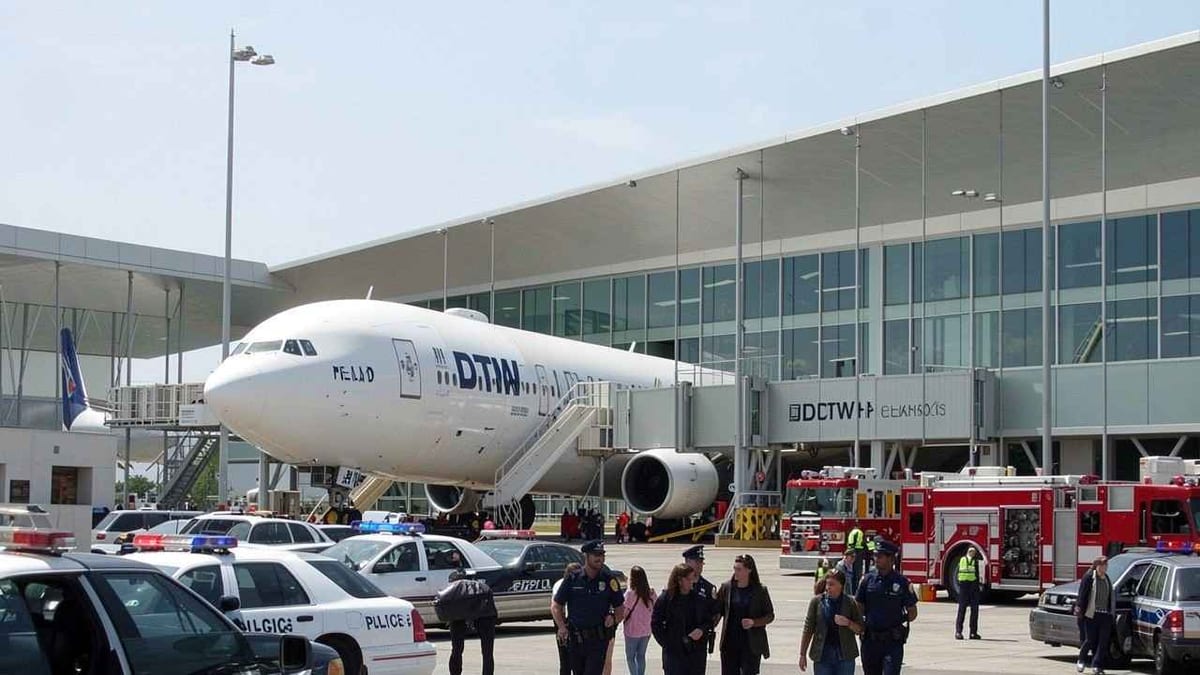
The safe diversion of American Airlines Flight AA889 to Will Rogers World Airport in 2026 has drawn fresh attention to how mid-continent airports handle unplanned stops. While diversions to Oklahoma City are not new, the incident has become a reference point in regional planning discussions about how airports support passengers, crew, and connecting ground transport when long-haul and hub-bound flights are forced to change course.
Publicly available flight-tracking data and industry coverage show that Oklahoma City regularly receives diverted traffic during severe weather and congestion at larger hubs such as Dallas Fort Worth. The AA889 event, which concluded without injury, reinforced the city’s strategic location along major east–west and north–south corridors and its growing importance as a backup gateway for multiple carriers.
According to open aviation records and historical diversion analyses, Will Rogers World Airport has been part of national contingency networks for years, absorbing traffic when storms, technical issues, or airspace constraints ripple through the system. The 2026 diversion of AA889 has become a catalyst for local stakeholders to place passenger experience and ground mobility at the center of that role.
Reframing “Transit Hospitality” in a Diversion City
In the months since Flight AA889’s diversion, city transportation planners and airport operators have increasingly framed their response in terms of “transit hospitality,” a concept that extends beyond traditional customer service. Rather than viewing a diversion as a short-term operational problem, Oklahoma City is positioning it as a moment when the broader travel ecosystem is tested: terminal design, information flows, ground transport, and overnight infrastructure.
Local planning documents and media reports indicate that the airport has intensified coordination with airlines to streamline how passengers are guided from aircraft doors to onward options when schedules suddenly change. That includes clearer wayfinding to rental cars, rideshare pickup zones, and shuttle services, along with updated digital displays intended to reduce confusion during irregular operations.
Regional tourism and business groups have also taken a greater interest in how diverted travelers experience the city. While most passengers continue their journey as soon as operational constraints ease, data shared in public forums suggest that a subset now books same-day hotel stays or chooses to rebook on later flights, creating a small but notable bump for nearby hospitality providers each time a major diversion event occurs.
City economic development strategies increasingly refer to this transient population as an opportunity to showcase Oklahoma City’s lodging, dining, and short-stay amenities, even if contact is brief. The AA889 diversion has underscored the importance of presenting a coherent, low-friction experience from gate to curb.
Strengthening Ground Connections and Overnight Options
One of the clearest areas of change involves ground connections. Publicly accessible airport planning materials point to expanded coordination with local transit agencies and private operators to ensure that late-night and off-peak diversions do not leave passengers with limited options. Shuttle frequencies between the terminal, downtown hotels, and key highway corridors have been a particular focus during recent schedule updates.
Reports from regional travel industry outlets describe how hotels near Will Rogers World Airport have adjusted their staffing and transportation offerings in anticipation of irregular operations. Several properties have refined their on-demand shuttle policies and check-in procedures to better handle sudden influxes of stranded passengers arriving outside normal peak hours.
Ride-hailing and taxi operators, meanwhile, are increasingly integrated into airport contingency planning. Dispatch guidelines and staging areas have been revisited so that drivers can respond more quickly when large aircraft arrive unexpectedly and several hundred travelers simultaneously require ground transport, as was the case when AA889 diverted.
City transportation planners have also highlighted the role of major highways that ring Oklahoma City. Easy access to interstates and regional routes allows some diverted passengers to continue their journeys by car or motorcoach, a flexibility that has become more visible since the AA889 event placed the city’s multimodal links in the spotlight.
Passenger Care and Communication During Irregular Operations
Another lesson reinforced by the AA889 diversion involves communication inside the terminal. Aviation industry analyses of past disruptions emphasize that timely, accurate updates often matter as much to travelers as the speed of eventual rebooking. In response, Oklahoma City’s airport has been refining public address scripts, display systems, and coordination protocols with airline staff during irregular operations.
Publicly available information indicates that the airport has adopted more detailed diversion playbooks that specify how information is shared between operations centers, carrier representatives, and concessionaires. The goal is to ensure that passengers receive consistent guidance on wait times, meal and lodging options, and onward transport, even when the exact cause of a diversion lies outside the airport’s control.
Traveler-facing amenities have also come under review. Seating, charging stations, and late-night concessions have been identified in local coverage as pressure points during longer disruptions. Since the AA889 episode, operators have signaled an interest in extending operating hours for select outlets during major events and exploring flexible staffing models that can be activated when multiple diversions converge on Oklahoma City.
The emphasis on passenger care aims to reduce the stress and uncertainty that often accompany unplanned landings, recognizing that travelers arriving on a diverted flight may have already experienced turbulence, extended time on board, or missed connections before reaching the terminal.
Positioning Oklahoma City in the National Diversion Network
Beyond immediate operational changes, the AA889 diversion has become part of a broader conversation about Oklahoma City’s place in the United States diversion network. Aviation data and federal transportation analyses consistently show that mid-sized inland airports are crucial relief valves when coastal hubs or major connecting centers experience severe weather, airspace constraints, or infrastructure outages.
Oklahoma City’s geographic position, runway capabilities, and existing connections with multiple large carriers make it well suited to this role. Planning documents referenced in public forums suggest that local authorities are working to align airport infrastructure upgrades with national resilience priorities, including handling surges in diverted flights more predictably.
By framing transit hospitality as a core competency rather than an afterthought, Oklahoma City is attempting to differentiate itself among secondary diversion airports. The response to the safe diversion of American Airlines Flight AA889 in 2026 has accelerated that mindset, prompting closer collaboration among airport managers, airlines, hotels, and ground transportation providers.
As U.S. air traffic returns to growth and climate-related disruptions become more frequent, the experience of AA889 is likely to remain a case study in how a mid-sized city can turn an operational challenge into an opportunity to reimagine what it means to welcome passengers unexpectedly and guide them onward with as little friction as possible.