


More news on this day
Rail passengers on Utah’s FrontRunner line experienced significant disruptions on Monday afternoon after a fast-moving fire near Roy Station forced trains to slow, stop and detour around the affected area.
Get the latest news straight to your inbox!
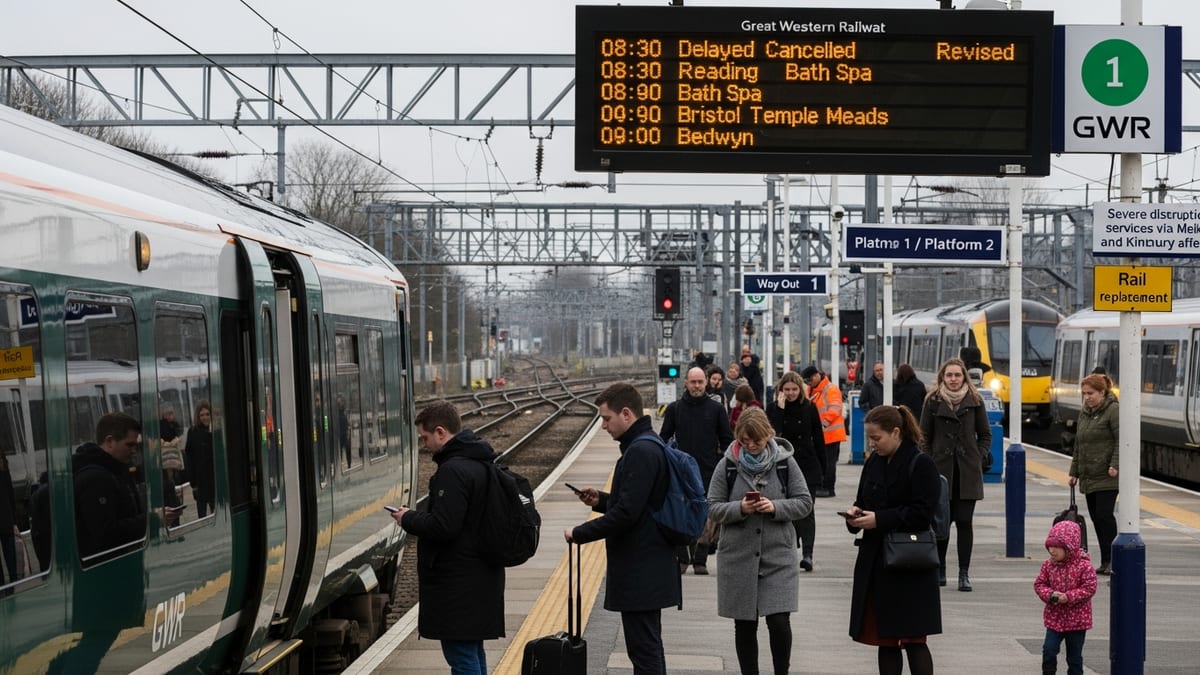
Fire near Roy Station triggers rail disruption
Reports from local outlets and transit alerts on July 20 indicate that a fire burning near 4300 South and 2675 West in Roy, Utah, spread close enough to the FrontRunner corridor to disrupt regular rail operations. The fire involved multiple homes and yards in a residential neighborhood west of the station, sending a large plume of smoke over the city and toward nearby transportation corridors.
Publicly available information shows that crews responded to several structures on fire in the area, with black smoke visible from major roads and rail lines. The incident unfolded in the afternoon, overlapping with the start of the commuter peak and prompting transportation agencies to adjust service while firefighting work continued.
While detailed investigation into the cause and full extent of damage is still emerging, early coverage focuses on the combined impact on local residents, road traffic and regional rail service. The proximity of burning structures and vegetation to the rail right of way prompted precautionary measures to keep passengers, crews and emergency responders safe.
FrontRunner service delays and bus bridge operations
Transit alerts and local news coverage describe delays of roughly 20 to 35 minutes for FrontRunner trains in both directions as the fire burned near Roy Station. Trains were initially held or slowed through the area, creating gaps in the schedule that quickly rippled across the broader Wasatch Front line.
To maintain a basic level of connectivity for riders, the Utah Transit Authority implemented a bus bridge to carry passengers around the affected segment of track. Initial reports indicated a replacement bus service between Roy and Clearfield, later expanded in some alerts to connect Ogden and Clearfield in order to fully bypass Roy Station while fire crews remained active nearby.
The temporary shuttle meant that riders traveling between northern Weber County and Davis County needed to transfer from train to bus and back to train, adding extra time to what is typically a direct journey. Passengers were encouraged through public alerts to plan for additional travel time and to monitor real-time updates as conditions evolved.
By the evening commute, indications from regional coverage suggested that delays were gradually easing as firefighting progress allowed for more normal train movements, although residual schedule impacts continued beyond the immediate incident window.
Impact on commuters and regional mobility
The fire-driven disruption at Roy Station underscored how closely FrontRunner’s infrastructure is woven into residential communities along the Wasatch Front. Many riders on the northern segment of the line use the train for daily commuting between Ogden, Davis County and the Salt Lake City metro area, making any unplanned service change particularly visible.
Reports and rider accounts shared on social media and community forums described crowded platforms and buses as passengers navigated the unexpected transfer between trains and bus shuttles. Some travelers faced missed connections to local bus routes or longer overall commutes, especially those with time-sensitive obligations such as work shifts or appointments.
The incident also highlighted the role of FrontRunner as a backbone corridor for regional travel. When a single station area becomes constrained by fire or other emergencies, the ripple effects can extend far beyond the immediate neighborhood, affecting schedules and capacity several stations away as dispatchers work to rebalance the system.
For visitors and occasional riders, the disruption served as a reminder of the importance of checking real-time transit updates, particularly during peak wildfire season when conditions can change quickly near open spaces and rail corridors.
Wildfire season adds pressure near rail corridors
The Roy incident occurred in the broader context of an active fire season across the Intermountain West, where hot, dry conditions have contributed to a series of fast-moving grass and brush fires near transportation routes. Earlier in June, a brush fire near the American Fork FrontRunner station prompted a separate, temporary shutdown of rail service and highway ramps as crews worked to contain flames near tracks and infrastructure.
Published coverage of these recent events illustrates a recurring pattern in which relatively small but strategically located fires force short, sharp interruptions to train operations. Even limited acreage can have an outsized impact when flames or heavy smoke approach critical assets such as tracks, power systems, signaling equipment or station platforms.
Transit agencies typically respond by holding trains at safe distances, slowing speeds through affected areas and deploying bus bridges where track closures are necessary. These steps are intended to protect passengers and staff while also giving firefighters clear access to work along rights of way that often double as emergency corridors.
Planning documents for the Roy FrontRunner Station Area and other stops along the line have long noted the close interface between rail, housing and open land. As wildfire risks evolve, the Roy fire adds to a growing body of real-world examples that planners and emergency managers can use when refining response plans, vegetation management and evacuation protocols near rail infrastructure.
What travelers should know after the Roy disruption
For those planning trips on FrontRunner in the days following the Roy fire, publicly available information suggests that core rail service has returned to operation, with any remaining delays primarily linked to schedule recovery rather than active fire activity. Riders are still encouraged to allow a bit of extra time, especially during peak periods, as the system works through residual impacts.
Travelers can expect that, during future incidents of this kind, bus bridges and modified service patterns may be implemented quickly and with limited advance notice. Practically, this means building flexibility into trip plans, paying close attention to station announcements and digital alerts, and being prepared for the possibility of transferring between different modes of transport.
For regional tourism and leisure travel, the Roy fire disruption is unlikely to have long-term effects on demand for FrontRunner, which remains a key link between northern Utah communities and the Salt Lake City area. However, the episode reinforces the importance of seasonally aware travel planning during the hottest and driest months of the year, when fires near road and rail corridors can prompt sudden changes to even well-established routes.
As investigations into the Roy fire continue and agencies review their response, the incident is expected to inform future operating procedures at Roy Station and along other vulnerable stretches of the FrontRunner line, shaping how Utah’s primary commuter rail service prepares for and manages similar events in upcoming fire seasons.