


More news on this day
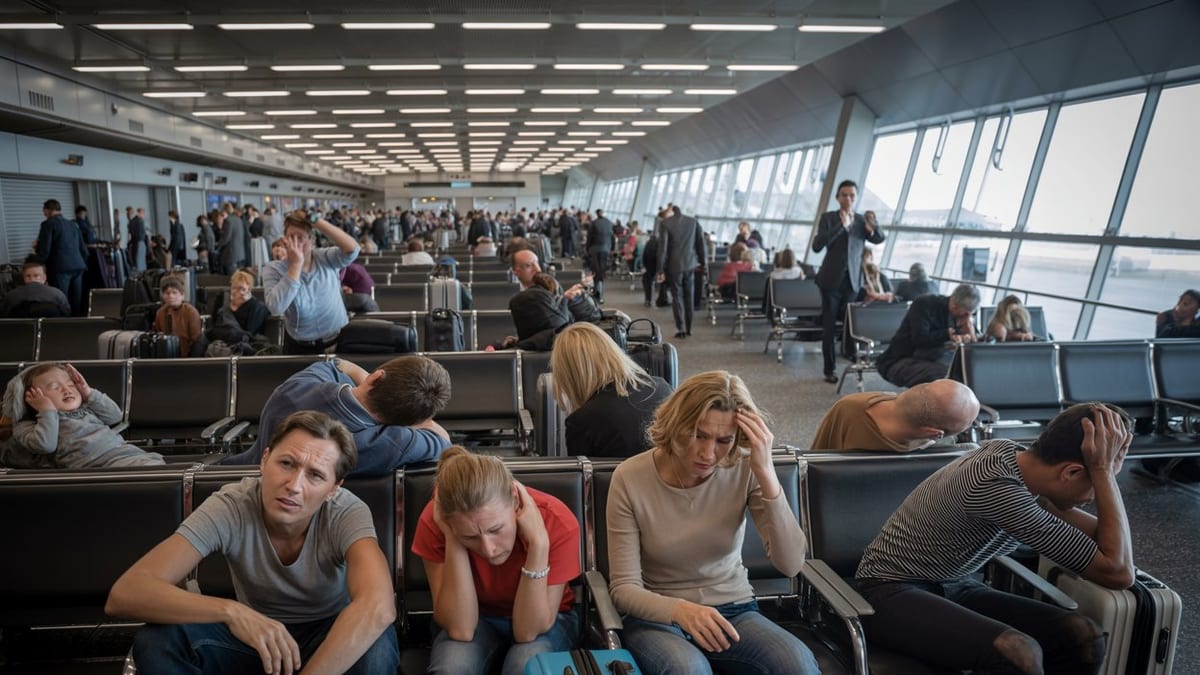
Fresh rounds of flight cancellations at major North American and European hubs are stranding passengers, stretching airline operations and raising new questions about how prepared the industry is for another record-breaking summer of air travel.
Get the latest news straight to your inbox!
Peak-Season Demand Collides With Fragile Operations
Airlines entered the 2026 summer peak forecasting record passenger volumes and fuller schedules, but persistent operational vulnerabilities are again coming to the surface. In the United States, major carriers projected tens of millions of passengers between late May and early September, with some operators planning their busiest summer in history across hundreds of thousands of flights. Public statements from carriers highlight expanded networks and additional frequencies, yet disruptions are revealing how little margin for error remains when weather, congestion or crew constraints hit tightly wound schedules.
Industry outlooks indicate that global traffic growth and higher load factors are coinciding with lingering staff shortages and infrastructure bottlenecks. Economic analysis from international aviation bodies notes that airlines are still rebuilding critical skill groups such as aircrew, maintenance technicians and airport staff, while also coping with elevated fuel prices and aircraft delivery delays. This combination has left networks more exposed when individual hubs falter, creating a chain reaction of cancellations and missed connections for travelers far from the original problem airport.
For passengers, the result is a familiar pattern: early-morning cancellations setting off daylong queues at rebooking desks, overloaded call centers and apps that struggle to keep pace with rolling schedule changes. Social media complaints and consumer reports point to inconsistent communication about causes, timeframes and compensation, feeding frustration among travelers who believed the worst of the post-pandemic chaos was behind them.
Pressure Points at Key Hubs in the United States
Recent disruptions at major U.S. gateways underscore how quickly localized issues can reverberate through national and international networks. Published coverage of flight operations at New York’s John F. Kennedy International Airport has highlighted waves of cancellations affecting transatlantic services and domestic connections, with knock-on effects for routes serving secondary cities in the United States and Canada. When widebody departures are scrubbed at a global hub, aircraft and crew rotations can unravel, leaving travelers facing multi-day delays in peak season.
Chicago O’Hare International Airport has emerged as another focal point in the struggle to keep operations stable during the busiest months. Federal regulators have moved to curb summer schedules at the hub, citing a need to bring planned flight volumes back within realistic capacity limits for runways, terminals and air traffic control. Industry reporting shows that at least one major carrier has pared thousands of departures from its June to August timetable at O’Hare, even as its overall summer schedule there remains well above last year’s levels.
Publicly available policy documents indicate that authorities see tighter scheduling rules at congested hubs as a way to reduce the risk of mass cancellations and gridlock on peak days. The intention is to smooth traffic flows and avoid repeat scenarios in which ambitious timetables collide with thunderstorms, staffing shortages or construction-related constraints. For passengers, however, these adjustments can translate into fewer nonstop options, fuller flights and limited alternatives when cancellations occur.
Airlines are promoting new digital tools that promise faster self-service rebooking, real-time notifications and automatic vouchers, seeking to ease pressure on airport staff when operations go awry. Yet traveler accounts suggest that access to timely information still depends heavily on whether carriers have up-to-date contact details and how quickly revised options are loaded into booking systems once a flight is canceled.
European Network Strains and Airspace Constraints
Across the Atlantic, Europe’s dense airspace and interlinked hub system are also experiencing sustained disruption as the summer progresses. Data and briefings from regional air traffic management organizations show that overall traffic in the European network is expected to grow compared with last year, with some weeks forecast to exceed 2025 levels by several percentage points. To cope, network managers have introduced traffic-distribution measures intended to reduce bottlenecks and maintain flight efficiency, but delays and cancellations remain stubborn in some corridors.
Recent European performance summaries point to several overlapping pressures. Average delays per flight have risen due to a combination of en route congestion, airport capacity constraints and weather-related slowdowns. Airspace reroutings linked to geopolitical tensions have lengthened some flight paths, while jet fuel prices in the region have climbed, adding financial strain to already stretched operations. In parallel, published reports indicate that periodic industrial actions among aviation workers in certain markets are further complicating efforts to keep schedules on time.
Passengers traveling through major European hubs in early July have encountered clusters of cancellations and extensive delays, with reports describing more than one hundred flights scrubbed across multiple airports in a single day. These events ripple through low-cost and full-service carriers alike, disrupting both short-haul leisure itineraries and long-haul connections to North America, Africa and Asia. Even when most flights eventually depart, misaligned connections can leave travelers stranded overnight or forced to rebook days later during a period when remaining seats are scarce.
Network managers emphasize that distributing traffic and coordinating capacity with airlines can help avoid the systemic breakdowns seen during earlier post-pandemic summers. However, with passenger volumes pressing against infrastructure and staffing limits, even incremental disruptions are translating into missed holidays, curtailed business trips and mounting anger in airport terminals.
Economic Headwinds and Industry-Level Constraints
Beneath the immediate disruption lies a broader picture of an industry wrestling with cost pressures and structural constraints. Global economic assessments published by airline trade groups suggest that while passenger demand remains robust, profitability is under strain from higher fuel prices, investments in more sustainable fuels and the expense of hiring and training new staff. These costs come on top of the operational inefficiencies that arise when flights are rerouted around restricted airspace or held on the ground due to congestion.
Analysts point to a lingering mismatch between demand and the availability of aircraft and skilled personnel. Delivery delays for new jets and capacity limitations at maintenance facilities mean some airlines have less flexibility to add spare aircraft or build larger buffers into their schedules. At the same time, training pipelines for pilots, technicians and air traffic controllers take years to mature, limiting how quickly the system can respond to demand surges or replace retiring staff.
Industry commentary suggests that some carriers are deliberately trading maximum capacity for resilience, trimming schedules in vulnerable markets in an effort to reduce the risk of high-profile meltdowns. Others are leaning more heavily on partnerships and codeshares to offer additional options when their own operations falter, a strategy that can help travelers find alternatives but also adds complexity when disruptions spread across alliances.
For travelers, these dynamics manifest as fuller flights, tighter connections and a perception that cancellations are occurring even as planes and airports appear busier than ever. Public-facing data from aviation bodies show that average delay minutes per flight remain elevated compared with pre-pandemic norms, reinforcing a sense that the system has not fully recovered its reliability despite strong demand and higher fares.
What Stranded Travelers Are Facing at Ground Level
Behind the statistics are individual stories of disrupted trips, from missed family events to abandoned cruise departures. Reports from consumer advocates and travel publications describe travelers encountering long queues at customer-service counters, difficulty securing hotel vouchers and confusion over whether they are entitled to refunds or only to future travel credits. Distinctions between weather-related and controllable cancellations continue to shape how much assistance passengers receive, a nuance that remains opaque for many affected customers.
In Europe, passenger rights rules provide a clearer framework for compensation when cancellations fall within an airline’s control or when delays pass specific thresholds, although travelers still report challenges in navigating claims processes and securing payments. In North America, coverage in legal and consumer outlets notes that protections vary by country and carrier, with some passengers relying primarily on contractual commitments outlined in airline conditions of carriage rather than uniform regulatory guarantees.
Carriers and travel agencies are urging passengers to supply accurate contact information, enroll in notification programs and monitor travel alerts in the days before departure. Public advisories from airlines emphasize that those who can respond quickly to rebooking offers in mobile apps or by text are more likely to secure scarce alternative seats when cancellations start cascading through the schedule. Still, not all travelers have access to reliable connectivity or feel comfortable navigating digital tools in the midst of a disruption.
As the peak summer period continues, data from aviation organizations and trade groups suggest that delays and cancellations are likely to persist in pockets, particularly at heavily used hubs and along busy holiday routes. For now, travelers are balancing pent-up appetite for international trips with a growing expectation that getting there may involve detours, overnight stays and the possibility that carefully laid plans will need to be rewritten at the last minute.