


More news on this day
Across Oregon, a growing constellation of internationally recognized dark sky places is transforming remote deserts, reservoirs and canyons into sought-after sanctuaries for travelers chasing pristine views of the night.
Get the latest news straight to your inbox!
Oregon Joins the Global Dark Sky Map
Oregon’s emergence as a dark sky destination has accelerated in recent years, driven by a mix of conservation goals and rising demand for nature-based night experiences. DarkSky International, the nonprofit that oversees the International Dark Sky Places program, has certified multiple sites across the state as parks, sanctuaries and communities that actively limit light pollution and safeguard nocturnal environments.
Publicly available information shows that Prineville Reservoir State Park became Oregon’s first International Dark Sky Park in 2021, marking a milestone for both the state park system and regional tourism. Subsequent designations, including the Oregon Outback International Dark Sky Sanctuary and Cottonwood Canyon State Park, have created a network of viewing locations that appeal to both serious astrophotographers and casual night-sky observers.
These certifications typically recognize locations where the Milky Way remains clearly visible, artificial lighting is strictly managed and educational programs help visitors understand the impact of light on wildlife and human health. For travelers, the labels serve as a reliable signal that a remote Oregon landscape is likely to offer some of the darkest, most star-filled skies still accessible by road.
As interest in astrotourism grows worldwide, the clustering of certified dark sky sites in Oregon is positioning the state as a competitive alternative to better-known destinations in the Southwest and mountain West, particularly for visitors combining urban stays in Portland or Bend with wilderness escapes.
Oregon Outback: The World’s Largest Dark Sky Sanctuary
In March 2024, a 2.5 million acre swath of the Oregon Outback was certified as the Oregon Outback International Dark Sky Sanctuary, according to regional dark sky advocates and federal land managers. The sanctuary spans high desert terrain in Lake County and extends into parts of Harney and Malheur counties, encompassing communities such as Adel, Plush and Summer Lake and large expanses of public land.
Reports indicate that the designation makes the Oregon Outback the largest International Dark Sky Sanctuary in the world, significantly raising the profile of a region better known until recently for sagebrush steppe, pronghorn habitat and long stretches of empty highway. The sanctuary includes Hart Mountain National Antelope Refuge and portions of the Fremont-Winema National Forest, giving visitors a mix of wildlife viewing, hiking and backroad driving alongside stargazing opportunities.
The combination of extremely low population density, minimal roadside lighting and generally clear, dry high-desert air creates conditions in which the night sky remains exceptionally bright to the naked eye. Travelers who venture into the Oregon Outback on moonless nights can expect sweeping views of the Milky Way, prominent constellations and frequent meteor activity, especially during major annual showers.
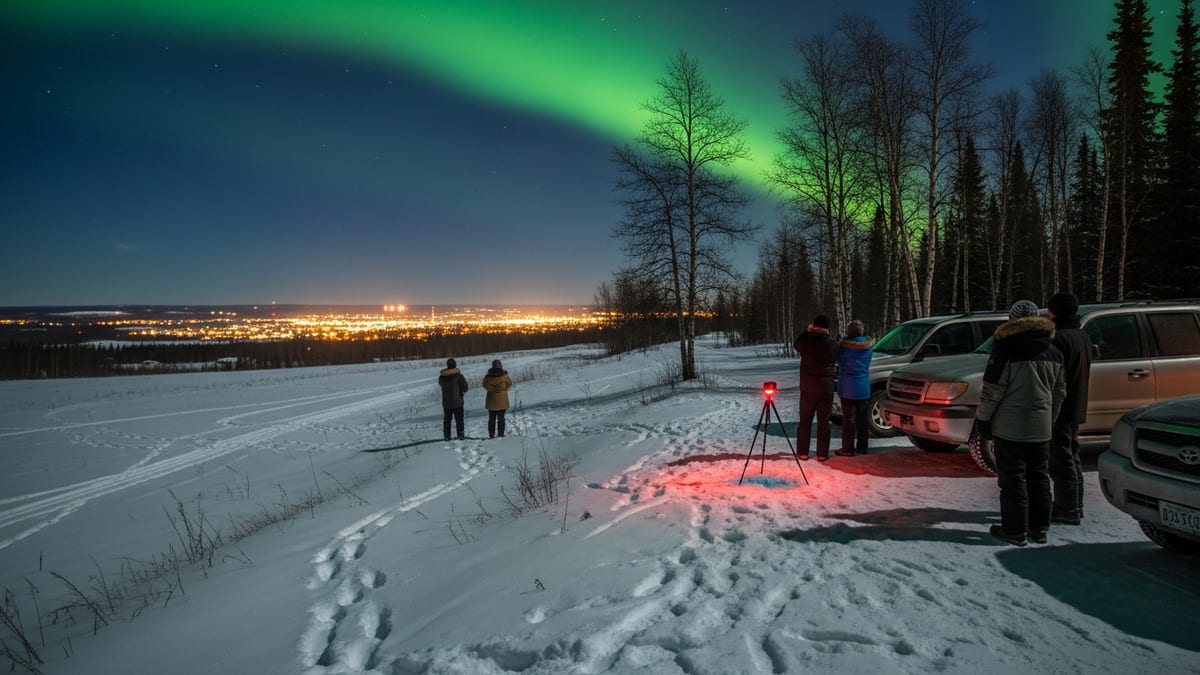
Local tourism and conservation groups are promoting responsible visitation, encouraging travelers to use red-filtered lights, keep vehicle headlights pointed away from observing areas and avoid disturbing nocturnal wildlife. Information from regional organizations also emphasizes seasonal access, since some backcountry tracks can become difficult to navigate after heavy rain or snow.
Prineville Reservoir: Oregon’s First International Dark Sky Park
Prineville Reservoir State Park, roughly an hour’s drive northeast of Bend, became Oregon’s first International Dark Sky Park in May 2021, according to state park documents and regional travel coverage. The reservoir sits in the Crooked River Caldera, a remote basin ringed by volcanic ridges that help block light from nearby communities.
The park’s dark sky status reflects a combination of low surrounding development and deliberate efforts by park managers to retrofit lighting, shield fixtures and limit unnecessary illumination at night. Travel guides and regional broadcasters have highlighted the site as a leading stargazing destination, noting that it often hosts structured night-sky programs, telescope viewing sessions and seasonal events tied to International Dark Sky Week.
Campgrounds and lakeshore viewpoints give visitors several ways to experience the sky. Some travelers opt for simple naked-eye observing from day-use areas, while others plan trips around photographing the Milky Way’s arc reflected in the calm reservoir. Clear summer and early autumn nights are typically favored for stable weather and comfortable temperatures, though winter can deliver particularly crisp, transparent conditions for those prepared for cold.
State park information typically advises visitors who arrive only for evening observing to follow posted access rules and carry red-light flashlights to preserve night vision. With Bend and Central Oregon continuing to grow, advocates see Prineville Reservoir’s certification as a test case for how recreation hubs can maintain truly dark skies within driving distance of urban centers.
Cottonwood Canyon and the John Day River Corridor
Cottonwood Canyon State Park, set along the lower John Day River in north-central Oregon, is the newest addition to the state’s roster of International Dark Sky Parks. DarkSky International announced its certification in late 2024, noting that the park had substantially overhauled outdoor lighting and expanded night-sky education.
The park covers more than 16,000 acres of deep river canyons, grasslands and basalt cliffs, with limited development and distance from major towns contributing to its naturally dark nights. Public descriptions emphasize that Cottonwood Canyon’s canyon walls help shield observers from stray light, allowing stars to appear especially vivid as they rise above the river corridor.
For travelers, Cottonwood Canyon offers a different dark-sky experience than the open basins of the Oregon Outback or the broad water surface of Prineville Reservoir. Campsites, hiking routes and viewpoints are threaded along the river, giving visitors multiple vantage points to watch constellations track across the narrow sky window framed by cliffs. Summer rafting and fishing trips are increasingly being paired with overnight stays aimed at catching meteor showers or planetary alignments.
Guidance from park planners and regional tourism organizations encourages visitors to plan around new moon periods for the best conditions and to monitor seasonal temperatures, which can swing from hot days to cool nights even during peak summer travel months.
Planning an Astrotourism Journey Through Oregon
The spread of certified dark sky sites across Oregon is encouraging travelers to design multi-stop itineraries that move from one celestial sanctuary to another. A typical route might link the Oregon Outback International Dark Sky Sanctuary with Prineville Reservoir and Cottonwood Canyon, creating a loop through high desert, volcanic landscapes and river canyons.
Travel information from state and regional tourism agencies stresses that road conditions, wildfire risk and weather should be checked close to departure, particularly for remote segments in Lake and Harney counties. Many dark sky locations sit far from fuel, food and lodging, so visitors are advised to arrive with full tanks, extra water and layered clothing appropriate for rapid nighttime temperature drops.
Astrotourism operators and community groups in Oregon increasingly frame dark sky visits as part of a broader conservation ethic. Educational materials frequently connect shielded lighting and reduced skyglow with benefits for migratory birds, bats and nocturnal pollinators, giving travelers a clearer sense of how their behavior after sunset affects local ecosystems.
For international visitors, the cluster of recognized dark sky places in Oregon offers a compact introduction to the American West’s night landscapes, pairing accessible infrastructure with some of the darkest skies remaining in the continental United States.