


More news on this day
Orlando International Airport is facing intense scrutiny after passengers reported being held for hours in baggage and customs areas this summer, with some travelers saying they were warned they could face arrest if they tried to leave without their checked luggage.
Get the latest news straight to your inbox!
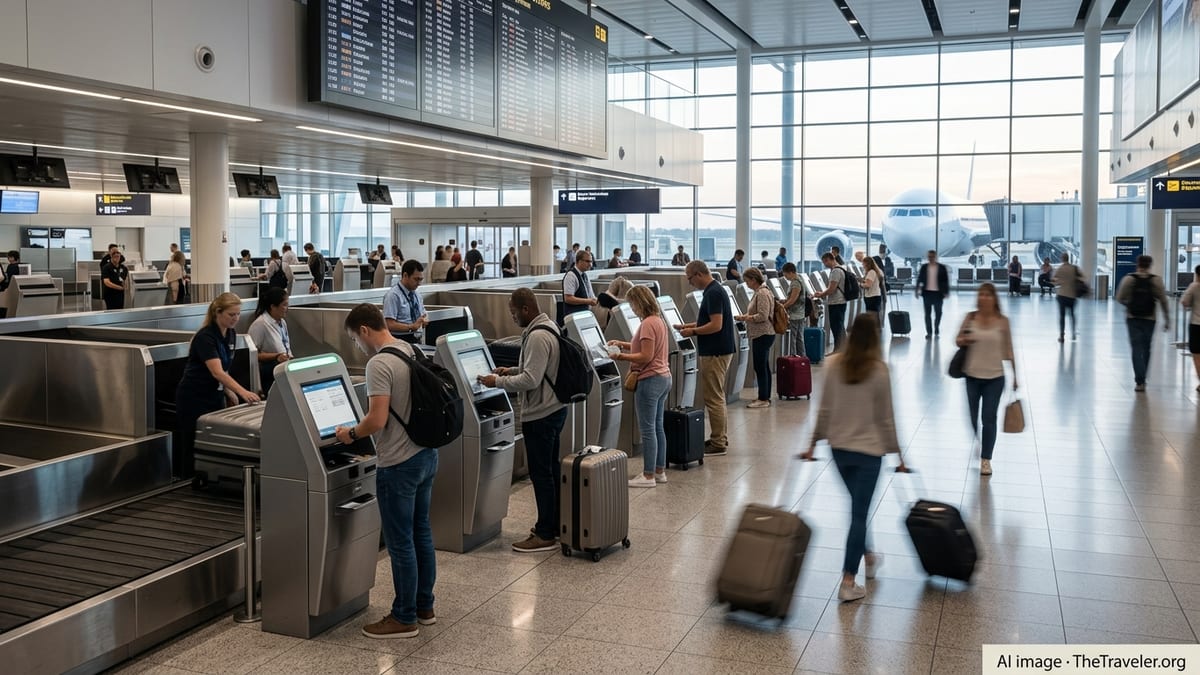
Hours Long Waits Trigger Passenger Anger
Reports from late June and early July describe scenes of frustration at Orlando International Airport as passengers arriving on international flights encountered baggage delays lasting up to five hours. According to published coverage, severe thunderstorms in Central Florida and resulting flight disruptions contributed to a cascade of delays in the airport’s baggage system. Travelers on at least one Virgin Atlantic service from the United Kingdom said they disembarked in the evening and were still waiting in crowded baggage and customs halls well into the night.
Accounts in regional and national outlets describe nearly 800 to 1,000 passengers stuck in secure areas, with luggage carousels repeatedly stopping and starting, and long stretches with no new bags appearing. Families with young children, older travelers and visitors connecting onward to other destinations reportedly slept on the floor or improvised seating along the walls while they waited for their belongings to arrive.
The disruption followed other widely reported operational issues at the airport’s newer Terminal C over recent months, including earlier outages involving baggage belts and mechanical failures that also led to extended waits for checked bags. Local commentary has increasingly portrayed Orlando’s baggage operation as a weak point in an otherwise fast growing hub that serves millions of tourists heading to theme parks and cruise terminals.
Claims of Arrest Threats Inside Customs Area
Passenger accounts that have drawn the most concern center on statements that travelers were warned they could be arrested if they attempted to leave customs and baggage areas without their checked luggage. Coverage by travel and consumer outlets describes announcements and staff instructions telling passengers they were required to remain in the secure zone until all bags had been delivered and customs formalities completed.
Some travelers said they were specifically told that trying to exit without bags, even after hours of waiting, could result in arrest. These accounts emerged first on social media and travel blogs and were later reflected in broader news reports. Passengers described feeling trapped, with no clear information on when the backlog would clear or whether they could safely abandon checked luggage and file claims later.
While customs and border regulations generally restrict movement in international arrival areas until screening has been completed, advocates say the way these rules are communicated can significantly affect passenger stress. Legal experts quoted in public coverage note that arrest powers at airports are typically tied to security violations, disorderly conduct or failure to follow lawful instructions, not simply leaving checked luggage behind. The language reported by travelers has therefore prompted questions about whether staff conveyed the situation in an unnecessarily intimidating way during a chaotic night.
Airport Statements Emphasize Weather and Volume
Orlando International Airport, operated by the Greater Orlando Aviation Authority, has acknowledged recent baggage disruptions in public advisories but has largely attributed them to severe weather and seasonal traffic spikes. Social media updates from the airport in late June highlighted thunderstorms and ground stops in the region, warning that both flight operations and baggage delivery might be affected and urging patience as crews worked through backlogs.
Ahead of the Independence Day travel period, local television reports noted that a mechanical issue in Terminal C’s baggage system had already forced some arriving passengers to wait several hours for their checked luggage earlier in the week. Airport representatives pointed to sustained record passenger volumes and ongoing adjustments in the new terminal as contributing factors, while stressing that teams were working to restore normal operations and improve communication.
Publicly available information does not show any detailed breakdown of how many flights or bags were affected during the June 27 incident that has become a focal point of the latest backlash. However, multiple reports indicate that the disruption coincided with one of the busiest stretches of the summer for Orlando, when daily passenger counts can reach well over 200,000.
Recurring Baggage Problems Fuel Wider Criticism
The latest crisis has landed in an environment where frustration with Orlando International Airport operations was already running high. Local media and community forums have chronicled months of complaints about crowded access roads, long waits at security and persistent baggage delays, particularly in Terminal C, which handles a significant share of international and JetBlue flights.
Travelers posting online in recent weeks have described waiting more than 90 minutes at carousels, with only sporadic batches of luggage arriving, while multiple flights appeared to be sharing limited belt capacity. Some accounts mention families missing ground transportation or hotel check in windows as a result of the baggage delays, adding financial and logistical fallout to an already stressful experience.
These recurring problems have prompted criticism from tourism stakeholders and residents who argue that a region dependent on visitors cannot afford an unreliable gateway. Commentators point out that Orlando competes with other major Florida airports for vacationers and convention business, and that a reputation for chaotic ground operations could eventually influence traveler choices.
Questions Over Passenger Rights and Future Fixes
The reports of arrest threats during the June baggage crisis have also renewed debate over what information passengers are entitled to receive when operations unravel. Consumer advocates cited in national coverage say travelers should be clearly informed of their options, including the ability in many situations to file delayed baggage claims later instead of waiting indefinitely at carousels.
In the case of international arrivals, the intersection of customs procedures, airline responsibilities and airport authority operations can be particularly confusing. Analysts note that airlines oversee baggage handling, federal agencies manage customs and immigration, and the airport operator controls the physical infrastructure. When systems fail, passengers often struggle to determine which entity is responsible and how to seek redress.
There are also broader questions about whether Orlando’s rapid growth has outpaced investments in resilient baggage systems and staffing. Public documents from the aviation authority highlight ongoing capital projects and terminal expansions, but recent experiences suggest that even new facilities can strain under peak loads and weather disruptions. Observers say meaningful improvements may require both infrastructure upgrades and clearer coordination protocols among airlines, ground handlers and government agencies.
For now, travel advisers recommend that visitors arriving in Orlando build extra time into their schedules, especially when connecting to cruises or long distance ground transportation, and consider keeping essential items in carry on bags whenever possible. As the summer travel season continues, many eyes will be on Orlando International Airport to see whether recent bottlenecks and the controversy over arrest warnings spur tangible operational changes before the next holiday rush.