


More news on this day
A powerful storm system sweeping across Texas and the central United States, combined with ground stops at major hubs, has delayed more than 3,600 flights and led to at least 83 cancellations nationwide, creating long lines, missed connections and mounting frustration for peak-season air travelers.
Get the latest news straight to your inbox!
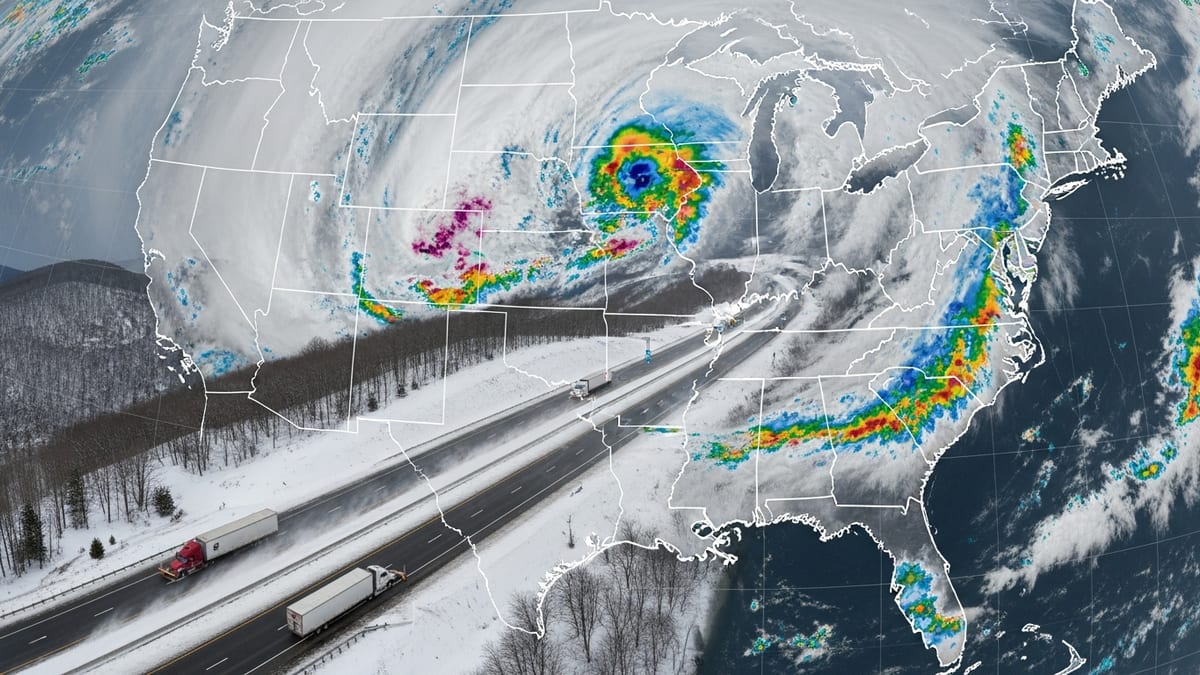
Severe Weather and Ground Stops Ripple Across the Network
Flight-tracking data for July 15 and 16 shows a spike in nationwide disruptions, with more than 3,600 flights delayed and at least 83 canceled as thunderstorms, flash flooding and low visibility disrupted operations, particularly in Texas and the mid-continent. Publicly available information indicates that the worst of the delays clustered around Dallas Fort Worth International Airport, which has faced repeated storms and multiple traffic-management programs this week.
Reports indicate that a series of strong storm cells over North Texas prompted temporary ground stops and flow restrictions, slowing departures and arrivals and quickly backing up gate space. When aircraft and crews are held on the ground at a major hub, connections across the country can unravel in a matter of hours, even in regions with clear skies.
Data reviewed from aviation status dashboards shows that the Federal Aviation Administration put in place a mix of ground delay and ground stop programs at several large airports to manage traffic safely through convective weather. Those controls limited the number of takeoffs and landings per hour, forcing airlines to push back departure times and in some cases cancel flights outright when crew duty limits or aircraft positioning made further delays unworkable.
The current disruption comes on top of an already strained summer travel season, during which real-time tracking sites have routinely logged several thousand delays a day across the United States. Industry analysts note that heavy schedules, full flights and ongoing air traffic control staffing challenges mean the system has little slack when storms strike key hubs.
Dallas, Houston and Washington Among Hardest-Hit Airports
Available flight data points to Dallas Fort Worth as one of the epicenters of the latest disruption, with hundreds of delayed flights and dozens of cancellations concentrated there as storms stalled over North Texas. Earlier in the week, local coverage documented nearly 300 delays and around 40 cancellations at the airport in a single morning after thunderstorms moved through the region, underscoring how quickly operations can deteriorate when severe weather sits over a hub.
Storms have also periodically disrupted flights at Dallas Love Field, adding further pressure in the region as airlines attempted to reroute passengers through alternative airports. When both of a metro area’s main airports confront constraints simultaneously, options for rebooking become limited and delays can easily cascade nationwide.
In Houston, George Bush Intercontinental Airport experienced its own round of weather-related slowdowns this week, including a temporary ground stop that delayed dozens of departures. Flight-status boards there showed rolling delays through the midday peak as airlines waited for storms to clear and for the national airspace system to accept more traffic from the Gulf Coast.
Beyond Texas, ripple effects reached the East Coast. At Ronald Reagan Washington National Airport, a separate security-driven pause in operations tied to a high-profile diplomatic visit led to more than 100 cancellations and hundreds of delays on Tuesday, compounding the impact of weather-related issues elsewhere. Because Washington area airspace is among the most congested in the country, even a short halt to takeoffs and landings can create hours of knock-on disruption.
Why One Day of Disruptions Snarls Travel for Days
Operational data and prior disruption patterns show that a single day of widespread delays can take several days to unwind. When flights are postponed or canceled in large numbers, aircraft and crews often end up overnight in the wrong cities, leaving airlines with gaps in their schedules even after the weather improves.
Airlines typically try to preserve as many flights as possible by opting to delay rather than cancel, particularly during the busy summer season when planes are nearly full. However, when delays stretch into multiple hours, flight crew duty-time limits can force last-minute cancellations even after passengers have waited at the gate, further straining customer service and hotel capacity near major airports.
Analysts who track on-time performance note that average daily disruptions have been elevated compared with pre-pandemic norms, with around 5,000 to 6,000 delays and several hundred cancellations on a typical busy travel day. Against that backdrop, a spike of more than 3,600 delays tied to a single weather system is enough to tip airports into visible chaos, with long security queues, crowded concourses and lines at customer service desks.
Once large hubs fall behind, regional spokes also feel the impact. Smaller cities that depend on connections through a few major airports can see evening departures canceled outright when inbound aircraft never arrive, leaving travelers stranded overnight and shrinking the options to rebook for the next day.
What Travelers Are Experiencing on the Ground
Social media posts and local broadcast footage from several airports show long lines at check-in counters and packed gate areas as travelers wait out rolling departure time changes. Many passengers reported delays stretching beyond three hours, while others described multiple rebookings as their original flights first slipped and then disappeared from departure boards.
At large hubs in Texas and along the East Coast, public information screens have displayed clusters of red and yellow status indicators throughout the day, a visual sign of the strain on both mainline and regional operators. Airport concourses have remained busy well into the late evening as carriers attempted to operate extra sections and reposition aircraft where possible.
Families traveling with children and those on tight international connections appear to have been particularly affected, since fully booked flights leave few seats available for rebooking. Travel forums and user reports highlight cases where travelers were routed through multiple alternate hubs or were offered itineraries stretching into red-eye departures to reach their destinations.
Despite the disruption, some flights have continued to operate largely on time, especially early-morning departures that left before storms intensified or before ground programs took effect. Travel data enthusiasts point out that passengers with flexibility who choose the first flight of the day on less congested routes often see better odds of an on-time arrival during periods of system stress.
Rights, Refunds and Planning for a Volatile Summer
Publicly available guidance from the U.S. Department of Transportation explains that when an airline cancels a flight or makes a significant schedule change and a passenger chooses not to travel, the customer is generally entitled to a refund to the original form of payment, even on nonrefundable tickets. That applies regardless of the reason for the cancellation, including weather, although the rules for additional compensation or lodging vary by carrier.
For delays, there is no single nationwide standard for compensation, but many airlines provide meal vouchers, hotel discounts or frequent flier miles in cases where disruptions are within the carrier’s control. In weather-driven events, assistance is often more limited, placing a premium on travel insurance or credit card protections that cover trip interruptions and extended delays.
Consumer advocates recommend that travelers monitor their flight status closely through airline mobile apps and real-time tracking tools, especially in the 24 hours before departure. Early awareness of a likely delay can create more options, such as asking to be rebooked on a different routing before flights fill or choosing to start the journey a day earlier when schedules remain flexible.
Given the combination of volatile summer weather, high passenger demand and a still-recovering aviation workforce, industry observers expect further pockets of disruption in the weeks ahead. With nationwide delays already trending above historical averages, even a single storm system over a major hub can be enough to turn a routine travel day into another round of airport chaos.