


More news on this day
Thousands of holidaymakers have been left in limbo at Phuket International Airport after more than 30 flights were reportedly canceled, stranding over 5,000 tourists on Thailand’s most visited island.
Get the latest news straight to your inbox!
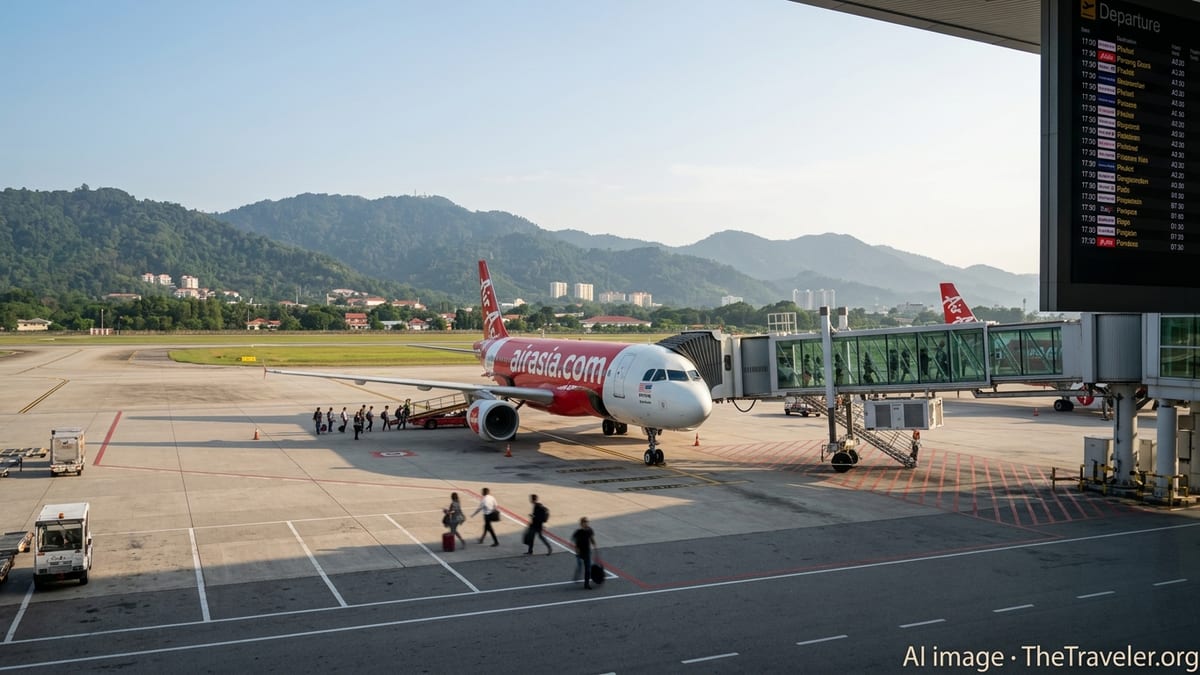
Widespread Disruption at Phuket International Airport
Published accounts from local and international media describe crowded terminals and long queues as affected passengers seek rebooking options or alternative routes out of Phuket. The cancellations involve both inbound and outbound services, with regional connections and long haul routes among those impacted.
Initial tallies from airport and tourism stakeholders cited in public reporting suggest that the disruption affects well over 5,000 passengers, a figure that includes package tour groups, independent travelers and connecting passengers whose itineraries have collapsed mid journey. Some travelers are reported to have waited many hours for information about revised schedules or accommodation.
The interruption comes during a period when Phuket has been working to consolidate a strong post pandemic tourism recovery, with recent data indicating hundreds of thousands of visitors arriving during peak holiday periods. The sudden loss of more than 30 flights in a short window has therefore had an outsized effect on flight rotations, hotel turnover and local transport services.
Observers note that while Phuket is accustomed to seasonal weather related delays, the scale of the current episode is larger than typical monsoon disruptions, in part because it involves multiple carriers and destinations at once rather than isolated cancellations on specific routes.
Stranded Tourists Face Accommodation and Cost Challenges
With so many passengers unable to depart as scheduled, accommodation availability has rapidly tightened in and around Phuket’s main resort zones. Reports from travel industry outlets state that some hotels have stepped in to extend stays at discounted or flexible rates, while others are operating near capacity after earlier high season bookings.
Travelers whose flights were canceled are navigating a patchwork of airline policies on refunds, rebooking and care. Publicly available consumer guidance highlights that passengers whose flights are canceled outright are generally entitled to refunds, but compensation for extra hotel nights, meals and onward travel can vary depending on the cause of disruption and the specific carrier’s rules.
Tour operators have been working to reorganize group itineraries, secure replacement flights and liaise with local partners. However, the concentration of cancellations within a tight timeframe has led to competition for limited alternative seats, particularly on routes linking Phuket with major hubs in the Middle East, Europe and East Asia.
Some travelers have turned to domestic connections via Bangkok or other Thai airports in an effort to piece together new itineraries. This strategy can ease pressure on Phuket’s departure halls but may also add costs and complexity for families and long haul passengers carrying significant luggage.
Impact on Phuket’s Tourism Economy
The disruption has raised fresh concerns about the vulnerability of Phuket’s tourism based economy to shocks in global air connectivity. Recent tourism statistics for the island show strong arrivals and significant revenue during major holiday periods, underlining the central role of uninterrupted air links in sustaining local businesses from hotels to restaurants and excursion operators.
Tourism analysts quoted in regional coverage emphasize that even a short burst of cancellations can have ripple effects throughout the local economy. Tour guides lose scheduled work, airport transfer companies face last minute changes, and small businesses in resort areas experience uneven demand as some guests depart late while others cancel trips entirely.
The current incident follows other recent examples of flight disruptions affecting travel worldwide, including weather related cancellations, technical outages and airspace constraints. Industry commentary suggests that repeated high profile disruptions may influence traveler behavior, pushing some visitors to build more buffer days into their itineraries or opt for destinations with denser route networks and greater flexibility.
Local business groups in Phuket have previously called for stronger contingency planning and clearer communication protocols between airlines, airport operators and tourism stakeholders. The latest wave of cancellations is expected to intensify those discussions, particularly around how hotels and tour companies can respond when large numbers of guests are suddenly unable to depart.
Airlines and Authorities Move to Clear Backlog
In the wake of the cancellations, airlines are reportedly adding capacity on select routes, adjusting aircraft types and consolidating passenger lists to move stranded travelers as quickly as practicable. Aviation data cited in news coverage indicates that extra sections and upgauged aircraft are common strategies used after major disruption events, though their effectiveness depends on aircraft and crew availability.
Airport operations teams are working extended hours to manage the surge in rebooked departures, while ground handling services face sustained pressure from the volume of baggage associated with disrupted long haul flights. Check in counters and ticketing desks have seen spikes in demand as passengers seek reissuance of tickets and clarification on revised travel times.
Consumer advocates are encouraging affected travelers to document expenses, keep records of airline communications and review the terms of any travel insurance policies they hold. Standard comprehensive policies often provide some coverage for unexpected accommodation and meal costs arising from significant delays or cancellations, although benefit limits and conditions vary.
Public information from aviation and tourism agencies indicates that clearing the backlog of stranded passengers may take several days, depending on how quickly additional seats can be arranged and whether further cancellations occur. For many visitors, that means unplanned extra time on the island, creating a mixed experience of extended holiday on one hand and logistical and financial strain on the other.