

More news on this day
A recently overhauled luxury cruise ship that once carried around 684 passengers will now sail with approximately 500 guests on a newly revealed 180-day world cruise, reflecting a broader industry move toward lower-density, higher-yield itineraries.
Get the latest news straight to your inbox!
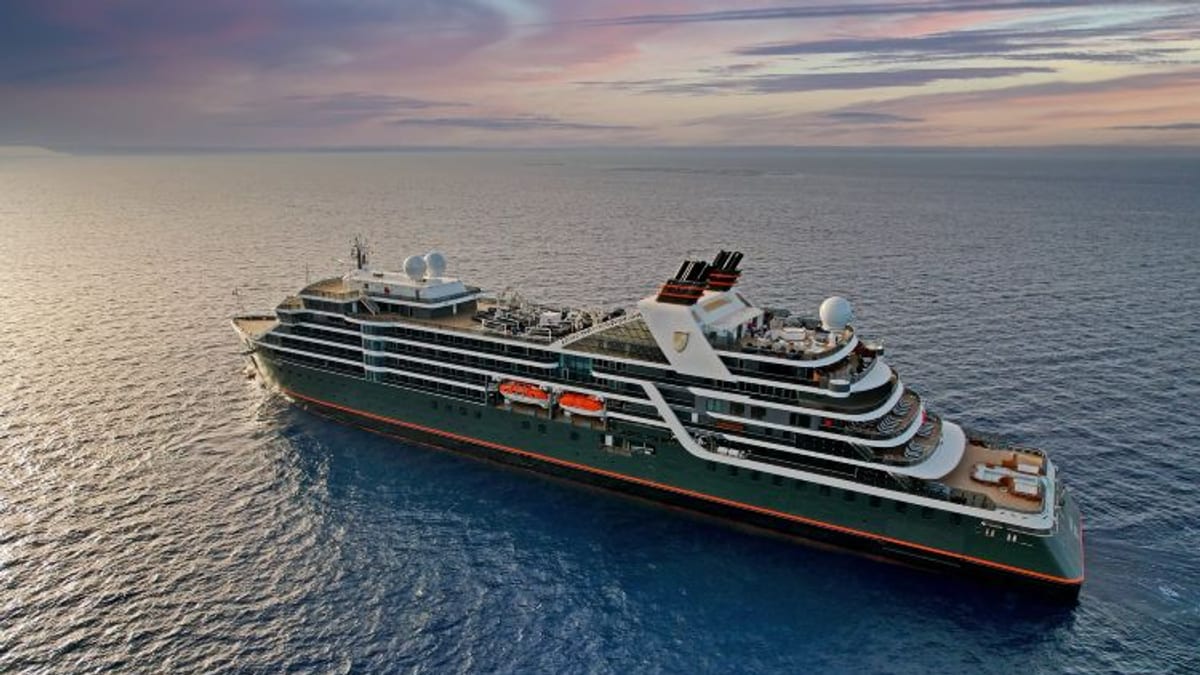
From Workhorse to Boutique World Cruiser
The unnamed vessel, long familiar to world cruise regulars in its previous 684-passenger configuration, has undergone a substantial refit that reduces its capacity to about 500 guests. Publicly available information suggests that the refit has focused on expanding suites, reconfiguring public areas and adding new wellness and dining venues, rather than significantly altering the ship’s overall dimensions.
The move aligns with a trend among premium and luxury operators that previously scheduled 180-day “around the world” sailings on ships in the roughly 680-passenger class. Those itineraries typically circled the globe over six months, calling at 90 or more ports. Industry coverage now indicates that the same basic platform is being repositioned as a more exclusive 500-guest experience, pitched at travelers willing to pay for added personal space and more individualized service.
According to recent trade reports, the new configuration also allows the crew-to-guest ratio to approach or exceed one crew member for every 1.2 guests. That ratio is comparable with other top-end world cruise offerings and is seen as a key selling point for travelers who expect quicker service, more tailored shore arrangements and shorter queues for on-board amenities.
A 180-Day Itinerary Built Around Time in Port
The ship’s new 180-day world cruise is structured around extended time in key ports rather than headline-grabbing passenger numbers. Early details released through booking channels and travel advisers indicate an itinerary that crosses multiple oceans, weaving through the Pacific islands, Australasia, Southeast Asia, the Indian Ocean, the Middle East and the Mediterranean before finishing in North America or Western Europe.
Compared with earlier 684-passenger world cruises, the new schedule reportedly increases the number of overnight and late-night stays in complex ports. Destinations such as Papeete, Bora Bora, Sydney, Bali, Tokyo, Singapore, Mumbai and select Mediterranean cities feature more prominently, in line with a broader shift toward “slow travel” at sea. The goal is to give guests more time ashore for customized excursions, regional dining and independent exploration.
Travel industry analysis highlights that the 180-day format remains a distinctive niche in a market where many lines have shortened their grand voyages to 120 to 150 days. Maintaining a full six-month itinerary while lowering capacity signals confidence in demand from repeat world cruisers and affluent long-stay travelers who value immersion over shipboard spectacle.
Space, Suites and Service: What Changes On Board
The capacity reduction from about 684 guests to roughly 500 has been achieved primarily by merging standard cabins into larger suites and creating additional premium categories. Renderings and deck plans circulated to the trade show expanded veranda suites, more spacious bathrooms and walk-in closets, as well as new lounge concepts designed for fewer people at any one time.
Dining has also been a focus. Reports indicate that specialty restaurants have been enlarged or reimagined, with an emphasis on regional menus that mirror the global routing. Culinary programs are expected to feature rotating dishes tied to upcoming ports, paired with wine lists curated around the regions visited during each segment of the voyage.
Wellness and enrichment spaces have similarly been overhauled. The spa and fitness center now occupy more square footage per guest, and additional studio-style venues have been added for lectures, small-group classes and destination briefings. With fewer passengers competing for seats, operators anticipate higher satisfaction scores and stronger word-of-mouth among the core audience of seasoned cruisers.
Pricing, Demand and the New Economics of a World Cruise
Reducing capacity without significantly altering the ship’s size represents a clear bet on higher yields rather than volume. Industry coverage of recent 180-day world cruises shows that fares can range from the high five figures to well into six figures per person, depending on cabin category and included perks such as business or first-class air, onboard credit and exclusive shore events.
Analysts note that world cruises on comparable ships have sold out quickly in recent years, sometimes within hours of opening for sale. That pattern suggests that a 500-guest configuration, marketed as a more spacious, destination-focused experience, may be able to command a premium even as operating costs remain broadly similar to the earlier 684-passenger model.
For potential guests, the shift may also change the onboard demographic. Longer voyages of 180 days tend to attract retired travelers, remote professionals and repeat cruisers who are comfortable spending months at sea. The enhancement of suites and common spaces is likely aimed at this group, which often prioritizes comfort, storage and reliable connectivity over headline entertainment features.
Implications for Ports and the Wider Cruise Market
The redesigned ship’s 500-guest capacity positions it between small expedition vessels and the much larger mega-ships that routinely carry several thousand passengers. For ports, particularly smaller or more environmentally sensitive destinations, a 500-guest world cruise ship represents a relatively manageable influx of visitors compared with the impact of very large vessels.
Port authorities and destination marketers have increasingly signaled a preference for ships that bring higher-spending guests in smaller numbers. A 180-day world cruise that visits complex, infrastructure-limited destinations can offer a different economic profile than shorter voyages on larger ships, concentrating spending across local guides, boutique hotels, specialty restaurants and cultural attractions.
Within the broader cruise industry, the move from 684 passengers to roughly 500 on a long-haul world itinerary highlights a bifurcation in strategy. While some brands continue to pursue record-breaking tonnage and ever-larger ships, others are investing in more intimate vessels and longer itineraries aimed at repeat travelers. The newly unveiled 180-day world cruise on this overhauled ship places it firmly in the latter camp, signaling continued demand for extended, low-density voyages that prioritize time, space and depth of experience over scale.