


Teide National Park is the high volcanic heart of Tenerife, a vast caldera and lava landscape wrapped around Spain’s highest peak, Mount Teide. This UNESCO World Heritage site combines otherworldly scenery, intense sunshine, thin mountain air and dramatic temperature swings, all within reach of the island’s beach resorts and cities. Whether you are based in Costa Adeje, Los Cristianos, Puerto de la Cruz, Santa Cruz or La Laguna, a day in Teide is one of Tenerife’s essential experiences, provided you plan carefully and respect the conditions at altitude.
Get the latest updates straight to your inbox!
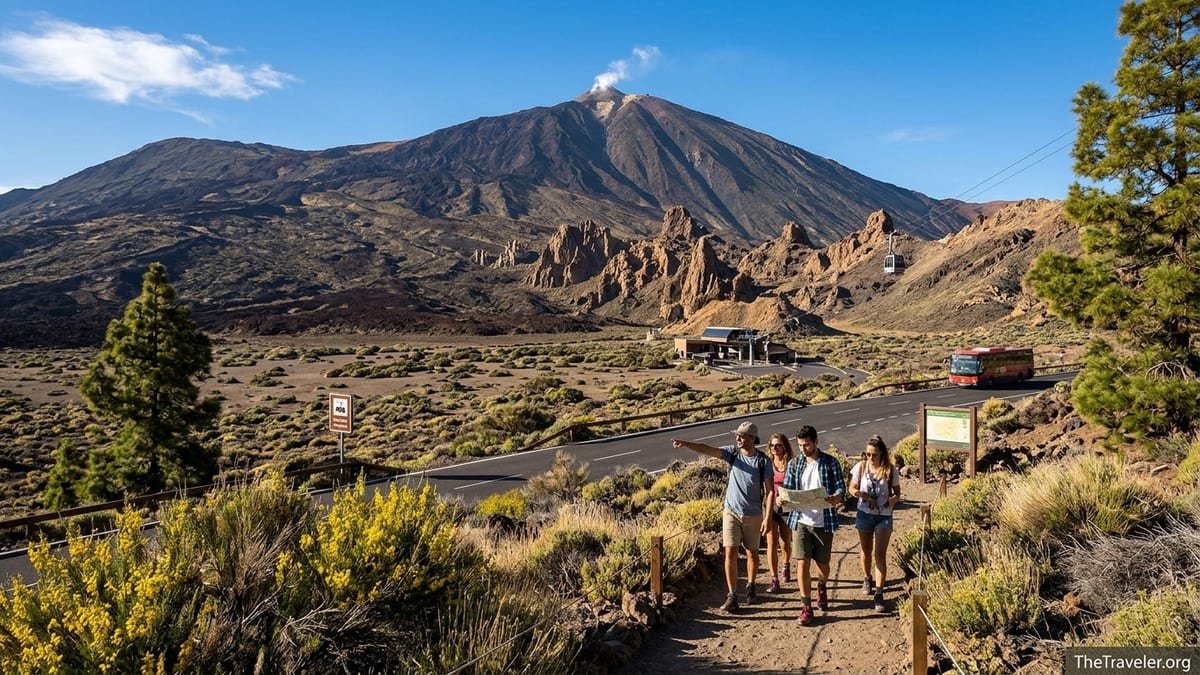
What Teide National Park Is and Who It Suits
Teide National Park occupies the central plateau of Tenerife, roughly 2,000 to 2,400 metres above sea level, crowned by the volcanic cone of Mount Teide at just over 3,700 metres. The park protects a huge collapsed caldera known as Las Cañadas, a ring of jagged crater walls, ash fields and solidified lava flows that feels far removed from the island’s coastal resorts. The altitude brings strong ultraviolet radiation, cooler air than at sea level, and a sense of vast open space that is especially striking on clear days above the cloud layer.
The landscape is a major draw for sightseers, casual walkers, photographers and families who want to experience Tenerife’s wild interior without committing to long or technical hikes. Roadside viewpoints, short marked trails and the cable car to La Rambleta allow visitors of varying fitness levels to enjoy big mountain views. The park is also a renowned destination for stargazing, thanks to low light pollution and consistently clear skies, and it hosts the Teide Observatory, which can be visited on guided tours.
Teide suits anyone with a basic level of mobility who is curious about volcanic geology and mountain scenery. Serious hikers will find a dense network of official trails on the plateau and on surrounding peaks such as Montaña Guajara, although route descriptions are beyond the scope of this general guide and are better covered in a dedicated hiking article. Families with children usually focus on short walks and viewpoints, often combined with a cable car ride for a taste of high altitude without a strenuous climb.
Caution is essential for some visitors. The thin air at over 3,000 metres can aggravate heart or breathing problems and may not be suitable for people with certain medical conditions, including severe cardiovascular disease, uncontrolled asthma or significant anemia. Pregnant visitors and anyone with a history of vertigo or severe anxiety in heights should consider carefully before using the cable car. In all such cases, seeking medical advice before planning a high-altitude visit is strongly recommended.
Key Planning Choices: Time, Style of Visit and Focus
Most first-time visitors treat Teide National Park as a half-day or full-day excursion from the coast or from the metropolitan area of Santa Cruz and La Laguna. A half day can work if your main goal is a scenic drive across Las Cañadas with a few viewpoints and perhaps a cable car ride, especially if you depart early in the morning from a south-coast resort. A full day allows time to walk one or two short trails, linger at Roques de García, explore visitor centres and pause more often for photos.
Another common option is to time your visit for late afternoon, stay through sunset and then either stargaze independently from safe roadside pullouts or join a guided astronomy tour. At altitude the night sky can be spectacular, but temperatures drop sharply after dark and visitors must come prepared with warm clothing. If you are combining daytime sightseeing with sunset and stargazing, plan for a very long day and pay close attention to fatigue, hydration and driving safety on mountain roads in the dark.
You also need to decide whether to focus on viewpoints and short, easy walks or to include higher, more demanding experiences such as the cable car to La Rambleta or the regulated hike to Teide’s summit. A non-hiking itinerary built around scenic stops is suitable for most visitors and avoids issues around altitude permits and trail restrictions. Adding the cable car introduces exposure to thinner air and steeper terrain at around 3,500 metres, while the final ascent to the summit via the Telesforo Bravo trail is a relatively short but steep and exposed walk reserved for well-prepared visitors with a confirmed permit.
Because conditions on the mountain can change rapidly, it is wise not to over-schedule. Leave flexibility for weather-related closures of roads, trails or the cable car and be prepared to adjust your plan. Many visitors find that simply driving across the caldera, stopping at a handful of viewpoints and spending an hour or two on one of the classic short walks already delivers a memorable Teide experience.
Reaching Teide: Roads, Buses, Tours and Car Rental
Four main road approaches climb up into Teide National Park. From the south, the TF-21 road rises from Vilaflor into the caldera, serving visitors based in Costa Adeje and Los Cristianos who first travel inland on the TF-1 motorway. From the north, another section of TF-21 winds up through La Orotava and Aguamansa into the park, typically used by visitors from Puerto de la Cruz. From the east, the TF-24 climbs onto the Cumbre Dorsal ridge above La Laguna and Santa Cruz before joining TF-21 near El Portillo. From the west, the TF-38 connects Santiago del Teide and Chío with the central plateau. All are mountain roads with sustained gradients, frequent bends and changing weather; driving requires full attention and unhurried pacing.
Public transport provides limited but useful access to the park. The island’s TITSA bus network includes dedicated Teide lines. Line 342 typically links Costa Adeje bus station with Las Cañadas via Los Cristianos and Vilaflor, while line 348 runs from Puerto de la Cruz via La Orotava and El Portillo to the Parador area inside the park. Other services, including line 341 within the caldera, can connect key points such as the Parador, the cable car base and El Portillo visitor centre. Schedules and frequencies are sparse, often with only one or two departures in each direction per day, so anyone planning to rely on buses must check the latest timetables and stops directly with TITSA before finalising their plan.
Despite the existence of bus services, most visitors reach Teide by rental car or by joining an organized excursion. Hiring a car gives the greatest flexibility to choose your route, stop whenever you like and explore at your own pace. It also makes it easier to arrive early in the day before the main crowds or to linger into the evening for sunset. The downsides include the need to drive in mountain conditions, the risk of encountering snow or ice in winter and the pressure on parking at peak times.
Organized excursions, sold from resorts and cities across the island, remove the stress of driving and parking and often package together transport, a guide and in some cases cable car tickets or stargazing activities. They are useful for visitors who are not confident driving mountain roads or who prefer a structured experience. The trade-off is less flexibility in timing and route, and the need to confirm exactly what is included, such as whether a tour merely passes by the cable car or includes a booked ascent.
Main Sights and Experiences Inside the Park
Once inside Teide National Park, the simplest and most rewarding experience is a slow drive across Las Cañadas with frequent stops at official viewpoints. Classic miradores along the TF-21 include dramatic views toward Teide itself, the multicoloured lava flows that drape its flanks, and the jagged caldera walls known as La Fortaleza and Guajara. On many days a sea of clouds lies below the plateau, adding to the feeling of standing above the island.
Roques de García is one of the most iconic areas, a cluster of eroded rock towers and lava formations near the Parador hotel. A well-marked loop path here, of moderate length, circles the rock group with changing views of Teide and the surrounding caldera floor. This walk is accessible to reasonably fit visitors but still demands sturdy footwear and awareness of the altitude. It is an excellent choice for a first encounter with the park’s geology and vegetation.
The Montaña Guajara area, across the caldera from Teide, offers higher, more sustained hiking for those seeking longer outings. Trails climb onto the ridgeline with panoramic views back to the volcano and down to the coast. Elsewhere in the park, short, signposted paths radiate from visitor centres at El Portillo and from other parking areas, providing manageable walks through pumice fields and Canary Island flora with interpretive information along the way.
Beyond daytime sightseeing, Teide is famed for its night skies. The park’s altitude and central location on the island mean low light pollution and frequent clear conditions, which is why the Teide Observatory stands on the Izaña ridge near the TF-24. Public access to the observatory itself is only possible on organized visits with specialized operators; self-guided visitors must remain outside the restricted perimeter. For independent stargazing, the plateau offers numerous lay-bys and viewpoints where visitors can park legally and observe the sky, always ensuring they respect regulations and avoid walking off marked areas in the dark.
Cable Car and Regulated Access to the Summit
The Teide cable car is the main way for visitors to reach high altitude without a long climb. Its base station lies on the TF-21 road within the park and includes a large car park and building with ticket desks, services and viewpoints over Las Cañadas. The cabins ascend to La Rambleta, the upper station at roughly 3,550 metres, in a few minutes, delivering sweeping views over the caldera and, on clear days, across to neighboring islands.
Arriving at La Rambleta does not automatically grant access to the very top of Mount Teide. The summit is reached by the Telesforo Bravo trail, a short but steep path that leaves from near the upper cable car station. Access to this trail is strictly regulated to protect the fragile summit environment and manage visitor numbers. A free permit is required and is issued for a specific date and time slot via the official online reservation system of the national parks. In high season, these permits are often booked out weeks in advance, so travellers who consider the summit a priority should plan and apply as early as possible.
The permit and the cable car ticket are separate. Holding a cable car ticket does not guarantee a summit permit, and having a permit does not ensure that the cable car will operate, because it may shut temporarily due to high winds, storms or technical issues. If the cable car is closed, reaching the summit becomes a demanding mountaineering outing beyond the scope of a typical tourist visit, and permit holders may have to accept that they cannot complete the ascent that day. Visitors should consult the official cable car operator for up-to-date details on operating hours, seasonal closures, ticket prices, reservation requirements and any combined packages, and should note the verification date of that information when planning.
Even without accessing the summit, La Rambleta offers several high-level paths that do not require a special permit, such as short walks to viewpoints over the caldera and toward Pico Viejo. At this altitude, however, air pressure is significantly lower than at sea level. Many visitors experience mild symptoms such as shortness of breath on exertion or light-headedness. Anyone feeling unwell should descend promptly on the next available cabin. People with medical conditions that could be aggravated by sudden altitude gain should seek professional advice before deciding to ride the cable car.
Seasons, Weather, Safety and Current Conditions
Teide National Park’s altitude shapes its weather. While coastal Tenerife can be warm and sunny in winter, the plateau may have freezing temperatures, strong winds or fresh snowfall. In summer, intense sun at over 2,000 metres brings very high UV levels and heat on exposed slopes, yet temperatures may still drop sharply once the sun is low. Cloud layers often sit below the park, so you may drive up through mist and emerge into clear conditions, or the reverse can occur if clouds rise and spill into the caldera.
Winter storms sometimes lead to temporary closures of roads that climb into the park, particularly after heavy snow or ice. The authorities may also close specific trails, the cable car or the summit route during high winds or unstable conditions. Before any visit in the cooler months, and periodically throughout the year, travellers should verify current access information with official park and island sources, checking for road closures, restricted zones or new regulations. Patterns of winter closure can vary from year to year, so relying on reports from previous seasons is not sufficient.
Safety on the plateau requires respecting the combination of altitude and exposure. Even on short walks, visitors should carry water, wear high-factor sunscreen, sunglasses and a hat, and bring layers including a warm jacket or fleece and a windproof outer layer. Sturdy footwear is important because many paths cross loose volcanic gravel and uneven rock. Those planning to stay for sunset or stargazing must anticipate a substantial temperature drop after dark and bring heavier clothing than they expect to need at the beach.
Altitude awareness is critical. Rapid ascent from sea level to over 3,000 metres in a single day can produce symptoms of acute mountain discomfort in some individuals, and severe reactions, while rare, are possible. People with pre-existing heart, lung or blood conditions, as well as pregnant travellers, should discuss their plans with a doctor before visiting high elevations or using the cable car. It is always safer to take it slowly, avoid heavy exertion until acclimatised, and be ready to cut a visit short if anyone in the group feels unwell.
Facilities, Services, Parking and Practical Logistics
Facilities inside Teide National Park are relatively limited given its size. Key service points include the visitor centres at El Portillo and near the Parador, the Parador de Las Cañadas del Teide hotel itself, and the cable car base station. These typically offer information desks, interpretive exhibits, toilets and some form of café or snack service. The Parador provides accommodation and a restaurant in a privileged central location, useful for visitors who want to stay overnight in the park and experience sunrise or night skies without long drives.
Travellers should not assume that full services are available everywhere. Fuel stations are generally located outside the park on the approach roads, not on the plateau, so vehicles should arrive with sufficient fuel for the return journey. Availability of electric vehicle charging points within or immediately around the park is evolving and should be checked at the time of planning, as drivers may need to rely on chargers located in larger towns such as La Orotava, Vilaflor or on the coast. Food options inside the park are limited in variety and opening hours, so bringing snacks and water is wise even if you plan to buy a meal at the Parador or cable car facilities.
Parking can be a significant practical challenge at peak times. There are large car parks at major hubs like the cable car base station, Roques de García and the visitor centres, but these can fill, especially late morning in high season or on weekends. Arriving earlier in the day, avoiding the busiest holiday periods where possible, and keeping your schedule flexible will increase the chances of finding a space without long waits. Respect all parking signs and avoid leaving vehicles in unofficial places that could obstruct traffic or emergency access.
Toilets are usually available at the main visitor centres, the Parador and the cable car base, but not at every viewpoint or small trailhead. Planning regular stops at these hubs is sensible, particularly for families with children. Before travel, visitors should confirm which cafés, restaurants, petrol stations, shops and potential EV charging points are currently operating inside or immediately outside the park, as services can change over time.
Rules, Conservation and Responsible Visiting
Teide National Park is a strictly protected area, and regulations are in place to preserve its unique volcanic environment. Visitors are required to stay on marked paths and tracks, avoiding shortcuts or walking across delicate pumice slopes and vegetation. Removing rocks, plants or other natural features is prohibited, as is leaving litter; everything brought into the park should be taken out again or placed in appropriate bins where provided.
Camping and overnight bivouacs are generally not allowed within the park unless explicitly authorised through special permits. Open fires are prohibited, and portable stoves may be heavily restricted due to extreme fire risk in the dry season. Visitors who wish to undertake professional activities such as commercial filming, photography or guiding often need additional authorisations from the park administration or island authorities and should apply well in advance.
Use of drones is tightly controlled and typically banned for the general public, both for safety and for wildlife disturbance reasons. Night access regulations can apply to certain areas, especially sensitive zones around the summit and observatory corridors, and may change as management plans are updated. Because rules evolve and enforcement may tighten in response to visitor pressure or environmental concerns, travellers should always look up the latest official guidance on access, restricted areas and prohibited activities shortly before their trip.
Acting responsibly not only avoids fines and conflicts with rangers but also helps ensure that Teide’s lava fields, endemic plants and dark skies remain unspoiled for future visitors. A low-impact visit means keeping noise down, respecting signed closures, giving wildlife space and treating the park as a living scientific and cultural landscape rather than a backdrop for unchecked adventure.
Sample Itineraries and How to Fit Teide into Your Trip
For a half-day self-drive from a south-coast resort such as Costa Adeje or Los Cristianos, a realistic plan is to depart early in the morning and ascend via Vilaflor on the TF-21. After entering the park, you might stop at a couple of viewpoints on the way to the cable car, ride up to La Rambleta if conditions and bookings allow, take a short walk to one of the high viewpoints, then descend and return across Las Cañadas with a brief pause at Roques de García before driving back to the coast. This delivers a strong impression of the volcanic plateau and high-altitude environment without too many stops.
A full day allows for a more leisurely loop. Visitors from Puerto de la Cruz could drive up through La Orotava, visit the El Portillo visitor centre to understand the geology and ecology, explore a short interpretive trail, then continue into the caldera for midday viewpoints and a sit-down lunch at the Parador. The afternoon could be devoted to the Roques de García circuit or another moderate walk, with photo stops on the return journey. Travellers coming from Santa Cruz or La Laguna might choose to ascend on the TF-24 ridge road, join TF-21 near El Portillo, and then descend either north or south to complete a varied circuit.
Those keen on sunset and stars might plan a late-afternoon arrival, perhaps combining a daytime scenic drive with a rest period at the Parador or a quiet viewpoint. As the sun sinks, they can move to a west-facing mirador or designated stargazing point to watch colours change over Teide and the surrounding islands. After dark, they can either observe the sky independently, using red light and keeping a safe distance from road traffic, or participate in an organized stargazing tour that provides telescopes and expert explanations. Detailed advice on night-sky viewing sites, equipment and tour options is best covered in a dedicated stargazing article.
In deciding how Teide fits into your wider Tenerife itinerary, consider three main factors: how you will reach the park, whether you intend to use the cable car and possibly attempt the summit with a permit, and at what time of day and season you prefer to experience the landscape. From beach resorts and coastal cities alike, Teide can be a highlight if approached with respect for altitude, weather and regulations. With thoughtful planning and realistic expectations, even a short visit to this high volcanic world can become one of the most memorable days of your time in Tenerife.