


Luna Park in Coney Island is one of New York City’s classic summer experiences: sea air off the Atlantic, the rattle of the Cyclone wooden coaster, and neon lights flickering on as the sun drops behind the boardwalk. If you are planning a visit for the current 2026 season, this guide walks you through how tickets work, what to expect on the major rides, and the small details that make a big difference to your day.
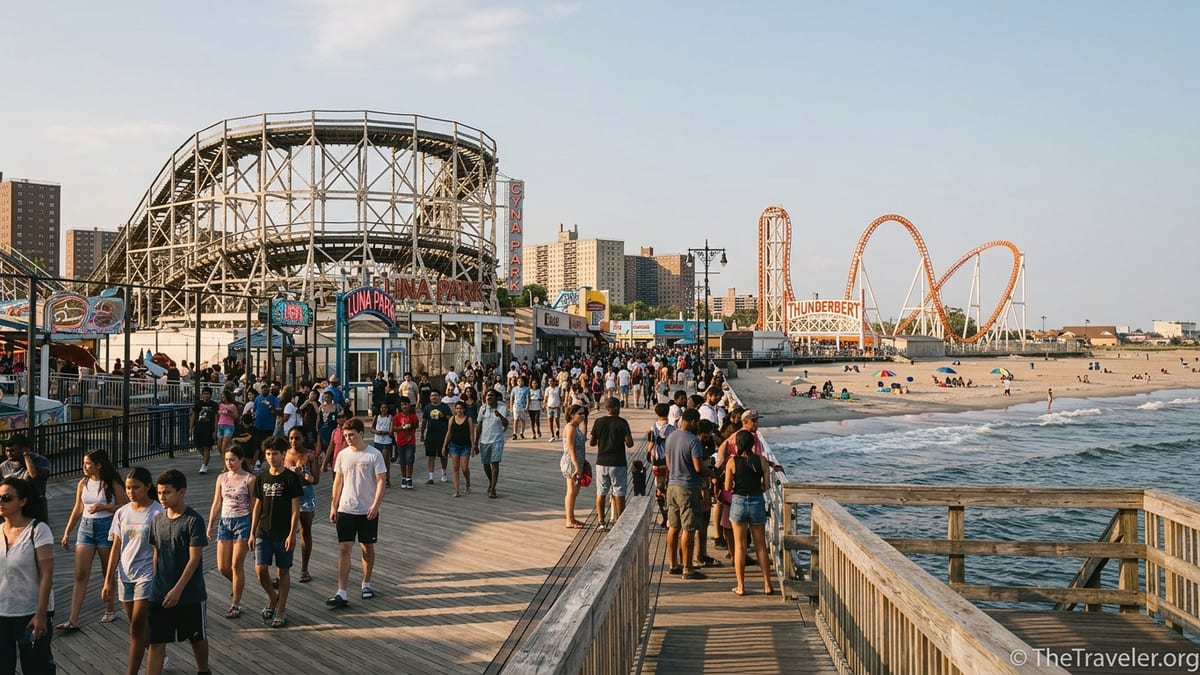
Understanding Luna Park and the Coney Island layout
Luna Park sits in the heart of Coney Island in southern Brooklyn, a few minutes’ walk from the end of multiple subway lines and directly beside the historic boardwalk and beach. When you arrive at Surf Avenue or Stillwell Avenue, you do not pass through a single large gate the way you would at a traditional theme park. Instead, you step into an open amusement district where rides, games, food stands, and independent attractions line both sides of the street and the edge of the boardwalk. Luna Park operates most of the modern thrill rides, family rides, and kids’ attractions in this district, but some long standing rides, such as the Wonder Wheel at neighboring Deno’s and a cluster of smaller kiddie rides and arcades, are run separately.
That layout has an important practical consequence: there is no general admission fee to walk around Luna Park. You can stroll through the area, take photos of the Cyclone and Thunderbolt coasters, grab a hot dog, or sit on the sand without paying to enter. You only pay when you decide to ride. For many travelers staying in Manhattan, that makes Coney Island an easy half day side trip. You can ride two or three big attractions, wander the boardwalk, and still be back on the subway before dark.
Because there are different operators along the boardwalk, it helps to mentally divide the area into three pieces. Luna Park covers most of the coaster-heavy blocks near Surf Avenue and portions of the boardwalk. Deno’s Wonder Wheel Amusement Park sits closer to West 12th Street around the iconic Ferris wheel. The historic Coney Island Cyclone, while operated under the Luna Park brand, uses its own ticket system. When you buy any kind of ticket or wristband, always check whether it applies only to Luna Park rides, to Luna Park plus the Cyclone, or to a completely different operator.
On a typical busy summer Saturday you will find a mix of international tourists, New Yorkers out for the day, and local teens using refillable ride cards they purchased earlier in the season. It can feel chaotic at first, especially around the Surf Avenue entrances, but the park is compact. After ten or fifteen minutes you will have your bearings and a sense of how the midway, the beach, and the subway station connect.
Ticket options, wristbands, and approximate prices
Luna Park uses a mix of time based wristbands and pay per ride credits. There is still no fee to enter the park itself; instead, you choose between loading money on a Luna Card or purchasing an unlimited ride wristband for a fixed block of time. The best value depends on how long you plan to stay and how many thrill rides you want to fit into your visit.
The pay per ride option works a bit like a transit card. You load credits onto a reusable plastic Luna Card, then tap that card at each ride’s entry gate. From recent visitor reports in 2025 and early 2026, most major coasters and adult thrill rides cost roughly the equivalent of 10 credits per ride, with mid-level rides priced lower and small children’s rides lower still. A ride on the Cyclone or Thunderbolt, for example, often comes out to around 10 credits. Smaller family attractions such as the Soarin’ Eagle or Zamperla flat rides typically require fewer credits. You can share a single card within a family or group by simply tapping once for each person entering a ride.
The alternative is an unlimited ride wristband, typically valid for a set number of hours on the day of your visit. Travelers in 2025 described a four hour thrill wristband priced in the range of about 80 dollars per person, with online advance purchase sometimes a bit cheaper than walk up rates. Exact 2026 pricing can shift slightly with promotions and holidays, so it is wise to check Luna Park’s official purchasing page shortly before your trip. Wristbands are usually divided into tiers by ride category: some include all thrill and family rides, while others focus more on children’s rides. In many seasons the Cyclone has been excluded from basic wristbands and required its own ticket or a more expensive pass that explicitly lists it as included.
If you are visiting with children who may tire quickly or only want to sample a handful of attractions, a shared Luna Card with pay per ride credits often keeps costs lower and avoids paying for unused capacity. For example, a family of four might decide that each person really wants to ride the Cyclone once and then choose two mid-level rides. In that case, a loaded card covering roughly a dozen ride taps will probably cost less than four unlimited wristbands. On the other hand, if you are a coaster enthusiast planning to marathon Cyclone and Thunderbolt repeatedly over a few hours, or you are visiting on a weekday when queues are shorter, the four hour wristband can easily pay for itself after five or six major rides.
One subtle but valuable money saver is that Luna Cards are typically valid for the whole season and can be reloaded. Locals sometimes top them up repeatedly from spring through late summer. If you think you might return later in the year, hold on to your card rather than discarding it at the end of the day. Promotional coupons occasionally circulate ahead of the season, including savings of several dollars off certain 2026 tickets, so travelers who like to plan ahead can search for current offers before purchasing online.
Season, hours, and the best times to visit
Luna Park operates seasonally, with the 2026 season having kicked off in late March alongside the traditional spring opening of the Coney Island Cyclone. Early in the season, especially in March and parts of April, the park is often open only on weekends or during New York City school holidays. By late spring and through the core of summer, operating days and hours expand, before tapering again into fall. Exact times can vary year to year, and even within a single season, as schedules are adjusted for events and weather.
For 2026 the park’s standard operating schedule includes daytime and evening hours, with public documents indicating ranges such as midday to late evening on peak days. You should always verify the specific calendar for your travel dates shortly before you go because hours can change with short notice, especially for weekdays, private events, or unseasonal weather. Online searches will often show general closing times around 9 or 10 pm on busy summer weekends, but these can be earlier in the shoulder months and later on certain holiday evenings.
Weather is a crucial factor at Coney Island. Many rides, particularly the coasters, run “weather permitting.” On cool spring days around 50 degrees Fahrenheit, former park employees note that Cyclone and Thunderbolt will often still operate if conditions are dry and winds are manageable, but heavy rain, thunderstorms, or strong coastal winds can shut individual rides or the whole park for safety. If you have only one day in New York earmarked for Coney Island, try to keep your schedule flexible within that day so you can shift your visit earlier or later depending on the forecast.
The best balance of manageable crowds, pleasant weather, and full ride availability usually comes on weekday afternoons from late May through June or on September school days after the main summer rush. On high summer weekends, especially around holidays, queues for headliners can stretch well over an hour. In those periods, it makes sense to arrive near opening time, ride one or two major attractions immediately, and then slow your pace as more day trippers from the city and surrounding suburbs arrive. An alternative strategy is to come in the late afternoon, enjoy the beach first, and then ride as the sun starts to set, when some families with younger children begin to leave.
Highlight rides: from the Cyclone to Thunderbolt
The single most famous attraction at Luna Park is the Coney Island Cyclone, a classic wooden roller coaster that has been thrilling riders since 1927. The coaster’s compact, twisted layout and unbanked turns deliver sharp laterals and surprising airtime, especially in the front and back rows. Many coaster enthusiasts consider it a must ride bucket list attraction. From a practical standpoint, the Cyclone usually operates with its own ticketing podium at West 10th Street, and the price per ride historically sits toward the top end of the park’s scale. If your budget or nerves only allow for one major coaster, pick the Cyclone over everything else simply for its history and unique ride character.
Thunderbolt, a steel coaster with a vertical lift and multiple inversions, offers a completely different style of thrill. Opened in the 2010s as a modern homage to an earlier coaster of the same name, it features a beyond vertical first drop and a compact series of loops and rolls. Riders often describe it as intense and somewhat rough, with lap bar restraints that can press strongly on the thighs, so it is better suited for experienced coaster riders than first timers or guests sensitive to tight restraints. On busy days the visible orange track and tall vertical lift draw a constant queue. If you are using a wristband, riding Thunderbolt two or three times early can quickly justify your purchase.
Beyond these two headliners, Luna Park offers a cluster of other coasters and thrill rides that can fill an afternoon. Soarin’ Eagle is a flying coaster where riders lie prone, giving a sensation of swooping over the boardwalk. There are spinning rides, a sling shot style launch that shoots riders high above the park, and a collection of mid-level attractions such as pendulums, drop towers, and classic spinning flats. Families with younger children will find an area of kiddie rides with gentler coasters, small carousels, and circular rides sized for kids who are not yet tall enough for the big coasters.
Ride operations at Luna Park are generally efficient but not as high capacity as those at the largest destination theme parks. Trains on the Cyclone, for instance, can only dispatch so quickly due to restraints and the physical layout. That means queue times can rise sharply when only one train is operating or when staff are managing height checks, groups, and guests unfamiliar with the loading process. Patience and preparation go a long way. Have bags already secured, loose items stowed, and know your seating preference before you reach the gates so that you are not the one holding up dispatches on a busy Saturday afternoon.
Planning your day: practical strategies and real examples
A bit of planning before you ride the subway to Coney Island can significantly improve your experience. Start by looking at the weather forecast and the park’s official calendar for your exact date. If the forecast calls for scattered afternoon storms, you might aim to arrive right at opening, focus on the outdoor coasters and high wind rides first, and then leave time for boardwalk food and the beach later in the day when operations are more likely to pause.
Consider a concrete example. A couple staying in Midtown Manhattan on a Friday in June decides they want a mix of rides and beach time. They check operating hours and see Luna Park open from early afternoon to late evening. They board a late morning subway, arrive just before opening, and buy a four hour wristband on site. Their first hour is dedicated to the big coasters: Cyclone twice, Thunderbolt once, and Soarin’ Eagle once. By 3 pm queues have grown, so they shift to smaller rides and then walk the boardwalk with an ice cream. Around 5 pm, with their wristband window closing, they squeeze in a final ride on Cyclone. They round out the evening by watching the sunset from the beach. Because they concentrated their high value rides early, their wristband felt worthwhile even as crowds thickened.
Families will need a different rhythm. Imagine two adults visiting with an eight year old and a five year old on a sunny Sunday. Instead of wristbands for everyone, they decide on a shared Luna Card. They load enough credits to cover four kiddie rides for the younger child, three family rides that all four can share, and single rides on Cyclone and Thunderbolt for the adult who wants bigger thrills. They mix rides with time at the beach playground and snacks at a nearby pizzeria on Surf Avenue. The kids tire by late afternoon, but because the family never committed to expensive unlimited wristbands, they do not feel pressured to stay longer just to “get their money’s worth.”
It is also worth planning for the broader Coney Island experience beyond Luna Park. The boardwalk stretches east and west with plenty of room to walk, people watch, or sit and listen to street musicians. On summer Fridays there are often fireworks in the evening, which can pair nicely with a late day park visit. There is a minor league baseball stadium just down the boardwalk where a Brooklyn home game can turn a day at Luna Park into a full day coastal outing. Checking Coney Island’s event listings before you go can highlight concerts, film nights, or festivals that might affect crowds or add entertainment options.
Finally, remember that Luna Park does not require you to plan everything rigidly. Because there is no entry fee, you can adapt as the day unfolds. If you arrive to find that strong winds have closed Thunderbolt and the sling shot rides, you can simply pivot to a long walk on the beach, some classic arcade games, and a single nostalgic spin on Cyclone. Conversely, if you reach the boardwalk on an unexpectedly quiet weekday afternoon and see short queues across the park, you can upgrade from pay per ride to a wristband on the spot and lean into a spontaneous coaster marathon.
Safety, height checks, and accessibility
Luna Park, like other modern amusement parks, has clear safety and access policies that can influence how you plan your visit, especially if you are traveling with young children, older relatives, or anyone with mobility considerations. Each ride has posted minimum height requirements, and in many cases there are “accompanied by an adult” thresholds for children to ride with a guardian. For example, younger guests might be able to ride certain family coasters only when seated with an adult of a specified minimum height, while thrill coasters like Thunderbolt and Cyclone enforce stricter stand alone height requirements.
Ride operators are usually diligent about checking heights, and queues may include a measurement board before you reach the loading platform. To avoid disappointment, measure children at home with shoes on and compare to the park’s published requirements so you have a sense of which rides are realistic. As a rule of thumb, children under about 42 inches are likely to be limited mainly to kiddie and gentler family rides. Those above 48 inches will have access to a larger slate of attractions, though exact cutoffs can vary by ride and season.
For guests with limited mobility, the flat terrain of Coney Island and the open layout of Luna Park make the area broadly accessible, though surfaces transition between pavement, wooden boardwalk, and the occasional uneven patch around older infrastructure. Many rides require a transfer from a wheelchair to a ride seat, which may be difficult for some visitors. If accessibility is a major concern, it can be helpful to arrive early and speak to guest services near one of the main entrances for up to date information on which rides offer transfer assistance or alternative boarding procedures.
Weather related safety rules may also influence your choices. Coastal winds, slick tracks after rain, and lightning in the area prompt temporary ride closures. The park will typically post weather related announcements on site, and staff at individual rides can give rough guidance on whether they expect to reopen later in the day. New York’s spring and early summer weather can shift quickly, so consider carrying a light rain jacket, securing valuables in zippered pockets, and wearing shoes that can handle wet pavement. As with any busy urban attraction, basic common sense precautions apply: keep wallets and phones secure, avoid leaving bags unattended, and agree on a meeting spot with your group in case someone is separated in the crowd.
Food, atmosphere, and what to expect around the boardwalk
Part of Luna Park’s appeal is that it is embedded in a wider neighborhood with a strong sense of place. The smell of salt air mixes with popcorn and grilled sausage. Old school signage references Coney Island’s long amusement history, while new neon frontages promote recent thrill rides and boardwalk bars. Unlike a destination theme park where nearly all dining is internal, here you will find a mixture of Luna Park operated food stands and independent local businesses all within a few minutes’ walk.
On a typical summer day visitors might grab a famous hot dog from a Surf Avenue institution, follow it with soft serve or Italian ice, then later sit down for a slice of pizza, a burger, or seafood along the boardwalk. Inside and around Luna Park you will see branded snack kiosks selling cotton candy, funnel cakes, pretzels, and soft drinks. Prices are in line with New York City tourist areas: more expensive than a neighborhood diner, but still reasonable enough that many families simply buy food as they go without bringing their own. If you are watching your budget, it can help to eat a substantial meal elsewhere in Brooklyn before you arrive and then treat these boardwalk snacks as extras.
The atmosphere shifts over the course of the day. Midday sees more families with strollers and beachgoers popping in for a single ride or game. Late afternoon brings groups of teens and young adults staying into the evening. As the sun sets and the lights come on, the park takes on a slightly grittier but still festive city edge: music grows louder, crowds thicken around bar patios, and the glow of the rides reflects off the nearby apartment towers. Travelers who are sensitive to noise might prefer to visit earlier, while those seeking the full sensory overload of Coney Island will enjoy staying until dark.
Outside peak times, parts of the boardwalk can feel surprisingly relaxed. On an overcast weekday in May, for example, you might find open stretches of sand, only modest queues for Cyclone, and plenty of room to sit and watch the rides without ever stepping into a line. That contrast between quiet shoulder season days and packed July weekends is one reason many New Yorkers tell friends visiting from out of town to aim for late spring or early fall rather than the absolute height of summer if their schedules allow.
The Takeaway
A visit to Luna Park in Coney Island is less about perfectly choreographed theme park logistics and more about leaning into a classic New York experience. There is the unmistakable rattle of the Cyclone as it dives toward Surf Avenue, the whoosh of Thunderbolt’s vertical drop, and the constant backdrop of ocean waves beyond the boardwalk. Because there is no paid gate, you can tailor the day to your budget and interests: a brief stop for two or three iconic rides, or a multi hour coaster marathon with an unlimited wristband.
To make the most of the current 2026 season, focus on a few key steps. Check the operating calendar and weather forecast before you commit to a date. Decide realistically whether a time limited wristband or pay per ride credits fit your group’s style and stamina. Plan to ride headliners early in your day, especially on weekends, and be flexible if coastal weather forces temporary closures. Finally, remember that Coney Island is more than its rides. Give yourself time to walk the boardwalk, watch the surf, and enjoy the mix of New Yorkers and visitors that have been flocking here for generations.
With a bit of planning and the right expectations, Luna Park can be a highlight of any New York City trip, from a solo coaster pilgrimage to a family day by the sea. The park’s mix of vintage charm and modern thrills means you can experience a slice of the city’s history while still enjoying contemporary attractions. Whether you leave with a single Cyclone ticket stub or a fully stamped season ride card, you will have joined a long line of visitors who have screamed, laughed, and hung onto their lap bars along this stretch of Brooklyn’s shoreline.
FAQ
Q1. When does Luna Park in Coney Island usually open for the season?
For 2026 the park’s main season opened in late March alongside the ceremonial reopening of the Coney Island Cyclone, then expands to more regular hours through spring and summer. Exact dates can shift slightly each year, so always confirm the current calendar close to your visit.
Q2. Is there an admission fee to enter Luna Park?
No, there is no general admission fee to walk into Luna Park’s midway or along the boardwalk. You only pay when you purchase a ride wristband, load credits onto a Luna Card, or buy a separate ticket for attractions like the Cyclone. This makes it easy to visit just to look around or ride one or two key attractions.
Q3. How much should I budget for rides at Luna Park?
Budgets vary, but many recent visitors find that a half day of active riding with an unlimited wristband can run in the ballpark of 70 to 90 dollars per adult, while casual visitors using a shared Luna Card might spend considerably less by choosing only a handful of rides. Children who mainly enjoy kiddie and family rides typically cost less than thrill seeking teens and adults. Check current online pricing for exact 2026 figures.
Q4. Are the Cyclone and Thunderbolt included in all wristbands?
Not always. Historically the Cyclone has often required its own ticket or a higher tier pass that specifically lists it as included, while Thunderbolt is more commonly part of general thrill ride wristbands. Ticket structures can change from season to season, so make sure to read the fine print for whichever pass you are considering before you buy.
Q5. What is the best time of day to ride the major coasters?
On busy summer days, the best times are usually right at opening or later in the evening after some families have left. Many travelers arrive in the early afternoon and head straight to Cyclone and Thunderbolt before lines spike. If you plan to stay late, queues for big rides can drop again as the boardwalk crowd shifts toward food and nighttime atmosphere.
Q6. What are the height requirements like for children?
Height requirements vary by ride, but younger children under about 42 inches will generally be limited to kiddie and gentler family rides, often with an accompanying adult. Older kids above typical mid-40 inch thresholds gain access to more attractions, and those above around 48 inches can usually ride most coasters, subject to each ride’s detailed rules. Always check the official ride list for precise 2026 requirements.
Q7. How does weather affect operations at Luna Park?
Most rides operate weather permitting. Light rain may not close everything, but heavy rain, high coastal winds, or nearby lightning can shut individual rides or the entire park for safety. Coasters like Cyclone and Thunderbolt can and do run on cooler days if conditions are otherwise safe. Checking the forecast and remaining flexible with your schedule is important, especially in early spring and late fall.
Q8. Can I visit Luna Park as a quick stop during a longer New York City trip?
Yes. Thanks to its no admission model and direct subway access, Luna Park works very well as a half day or even two or three hour excursion. Many visitors ride the subway straight to Coney Island, enjoy a few key rides, grab food on the boardwalk, and then return to Manhattan or elsewhere in Brooklyn all within an afternoon and evening.
Q9. Are there ways to save money on Luna Park tickets?
Travelers can sometimes save by purchasing wristbands online in advance, watching for seasonal promotions, or using coupons that discount specific 2026 ticket types. Choosing pay per ride credits instead of unlimited wristbands can also be cheaper for groups that plan only a few rides each. Reusing and reloading a Luna Card across multiple visits within the same season is another subtle way to spread costs.
Q10. Is Luna Park safe and suitable for solo travelers or small groups?
Luna Park and the Coney Island boardwalk are popular, busy public spaces that attract a mix of locals and tourists, and they are generally safe when you follow normal big city precautions. Solo travelers frequently visit for the coasters or photography, and small groups often combine rides with beach time or a baseball game. As in any urban area, keep valuables secure, be aware of your surroundings at night, and use well lit routes between the park, subway, and your accommodation.