


More news on this day
Palma de Mallorca Airport has been flagged as Europe’s third worst airport for long delays this summer, a sign of how peak-season demand in the Balearics can strain schedules even as broader European network performance has improved compared with last year.
Get the latest news straight to your inbox!
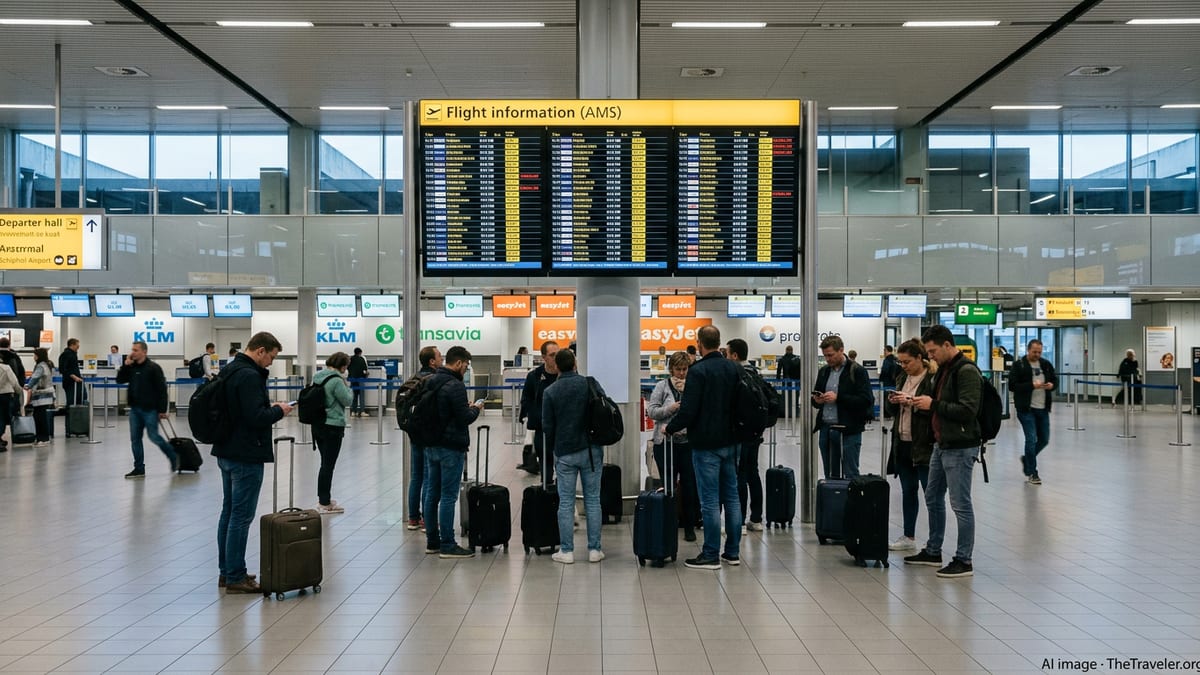
Why Palma is suddenly on the delays watchlist
A recent analysis by AirAdvisor ranked Palma de Mallorca (PMI) third among European airports with the highest disruption from flights delayed by more than 60 minutes, based on 2025 flight data used to inform 2026 travel planning. In the same assessment, Palma posted a 6.39% rate of 60+ minute delays across 137,729 flights, with an average delay of about 115 minutes for the flights that crossed that one-hour threshold.
While two smaller airports topped the list, Palma stood out for volume. The same AirAdvisor dataset shows Palma handled far more flights than the other airports in the top three, meaning a relatively small shift in operational conditions can cascade quickly through stands, taxiways, turnaround times, and departure slots.
Routes with frequent service can amplify disruption because delays propagate across aircraft rotations. In AirAdvisor’s summary of Palma’s most delay-affected routes, the Palma to Barcelona and Palma to Madrid city pairs appear among the top routes by number of delayed flights, and the Palma to Frankfurt route is highlighted for an elevated delay rate compared with the airport’s overall average.
Europe’s network improved, but summer 2026 still tested leisure gateways
At the European level, EUROCONTROL’s Special Summer 2026 Flash Briefing describes a season that was extremely busy yet more stable than many travelers remember from recent summers. The network recorded an average of 35,959 flights per day from 1 June to 31 August 2026, and arrival punctuality improved year over year, with air traffic flow management delays also declining compared with summer 2025.
That said, the same briefing points to persistent operational pressure points, including weather and capacity and staffing constraints. Severe convective weather remained a major driver of en-route delay, and even when delays originate away from an island airport, the knock-on effect can be felt in late inbound aircraft, missed turnaround targets, and constrained departure sequencing.
EUROCONTROL’s all-causes delay snapshot for July 2026 underscores the scale of the summer challenge: it reports 1,120,818 flights in the ECAC area in July and an average departure delay of 18 minutes per flight. For a high-frequency leisure airport that relies on tight aircraft rotations and rapid gate turns, those averages can translate into noticeable disruptions during peak arrival and departure banks.
Local pressures: heavy passenger volumes and ongoing airside works
Palma’s performance is closely tied to its role as one of Spain’s busiest leisure airports. Aena’s traffic reporting shows Palma de Mallorca Airport processed 4,297,092 passengers in June 2026, up 1.6% compared with June 2025, a scale that can push terminals and airside infrastructure hard during the summer ramp-up.
At the same time, publicly available operational notices indicate that Palma has significant airside and terminal-area works underway on a multi-year timeline. Spain’s aeronautical information publications describe works tied to remodeling and reconfiguration in parts of the airport area with an estimated end date in 2027, as well as taxiway-related regeneration works extending into 2027. Even when such projects are phased to preserve operations, they can reduce flexibility during disruption and complicate recovery when traffic peaks.
Travelers may also notice periodic changes around the terminal as work continues. Palma’s official airport information has recently included temporary relocations for specific passenger drop-off points due to construction activities, a reminder that ground access and curbside circulation can be in flux during the busiest weeks of the season.
What travelers can do now: timing, buffers, and passenger-rights basics
For travelers flying to Mallorca or connecting onward via Palma, the most practical step is building extra time into itineraries. A longer buffer matters most for same-day connections, last flights of the day, and travel periods when European thunderstorms are more likely to disrupt the wider network, because Palma depends heavily on aircraft arriving on time from elsewhere in Europe.
Early-day departures tend to be more resilient because aircraft and crews have had less time for delays to accumulate. If your schedule allows, choosing a morning flight and avoiding tight same-day commitments on arrival can reduce the real-world cost of delays even if the timetable disruption is similar.
On passenger rights, publicly available EU information continues to emphasize that compensation can apply when arrival delays exceed three hours, with standard compensation bands of €250, €400, or €600 depending on distance, alongside separate rights to care in certain delay situations. In June 2026, EU institutions also announced an agreed update to strengthen and clarify air passenger rights while maintaining the general three-hour compensation threshold and the same compensation levels. Travelers should keep boarding passes and receipts, and rely on the operating airline’s official channels for the claim process, since eligibility can depend on the cause of delay and the specific journey details.