


More news on this day
Flights at Tweed New Haven Airport in New Haven, Connecticut, saw significant delays on Tuesday, leaving some passengers waiting for hours as airlines worked through a disrupted schedule following recent regional weather impacts.
Get the latest news straight to your inbox!
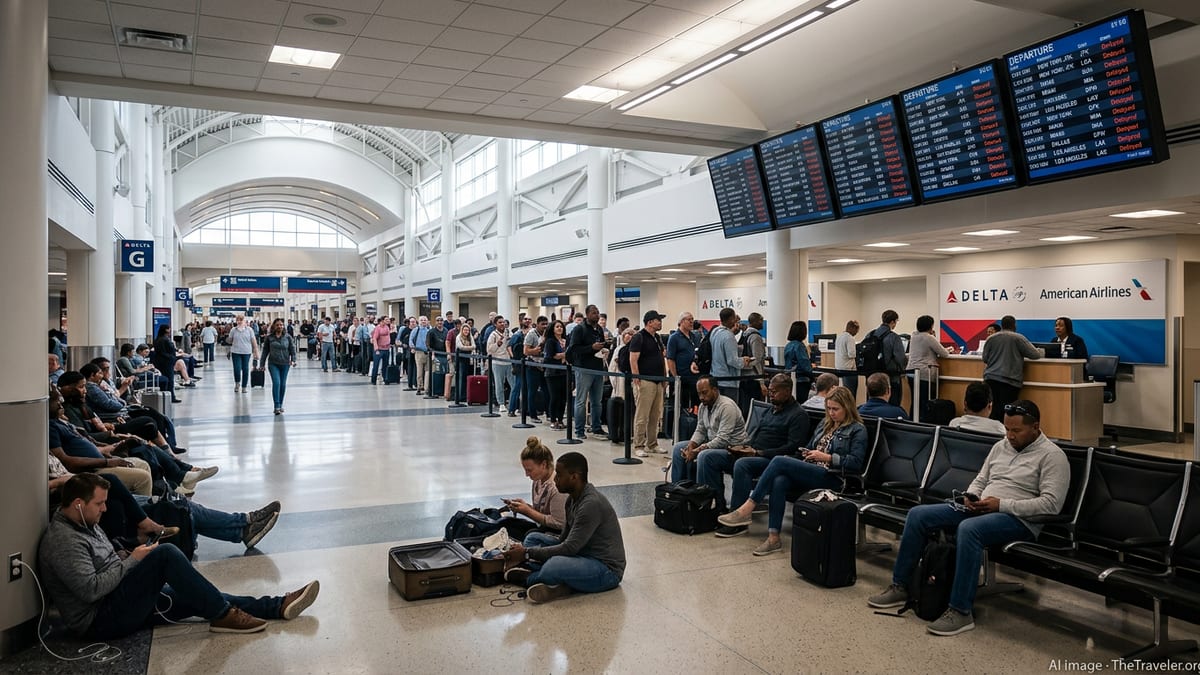
What travelers saw Tuesday at Tweed (HVN)
Tweed New Haven Airport, a small commercial airport serving the New Haven area, experienced extended delays on Tuesday as outbound and inbound flights cycled through later-than-planned departures and arrivals. The disruption was especially noticeable because the airport’s daily schedule is comparatively compact, meaning a few delayed aircraft rotations can quickly cascade into multi-hour waits.
Publicly available flight-tracking information and airport status pages reflected a mismatch between scheduled times and actual movement for parts of the day, with travelers reporting lengthy delays for morning departures and knock-on effects into later flights. At a two-carrier airport like HVN, where aircraft often run multiple legs in a day, delays on early segments can be difficult to recover from without spare aircraft on hand.
While airport-wide delay advisories can sometimes show as normal during localized disruptions, the traveler experience at the gate can still be dominated by late-arriving aircraft, crew duty-time limits, and operational constraints that are not always captured by broad national delay metrics.
How recent flooding factored into operations
The timing of Tuesday’s delays came soon after heavy rain and flash flooding affected parts of coastal Connecticut and the broader region over the weekend. Published coverage indicated that Tweed New Haven Airport temporarily closed its departures terminal due to local flash flooding during the event, underscoring how quickly ground-side access and terminal operations can be affected at a low-lying facility.
When an airport experiences even a short-term closure or a partial operational pause, the impacts can extend beyond the immediate window. Aircraft may end up out of position, flights may divert or cancel, and crews and passengers can be displaced, forcing airlines to rebuild the schedule as conditions normalize.
For Tuesday travelers, that meant that even if airfield conditions had improved, the system-wide recovery from earlier disruptions could still show up as long gate holds, later departure slots, and tightened turnaround times as airlines tried to get back on sequence.
Which airlines fly HVN and why delays can compound
Tweed New Haven Airport’s scheduled commercial service is centered on Avelo Airlines and Breeze Airways. With limited gate and ramp capacity compared with larger regional airports, on-the-ground constraints can become more visible during irregular operations, particularly when multiple flights are scheduled close together.
Earlier reporting in Connecticut media has highlighted how gate timing, ramp equipment, and access to specific operational resources can contribute to delays at Tweed, including situations where arriving passengers remained onboard longer than expected while a gate and related ground arrangements cleared.
In practical terms, a late inbound aircraft can delay the outbound departure; a delayed departure can push a later arrival; and the cycle can continue. At smaller airports, the absence of extra spare gates, extra aircraft, or additional ground staffing can make recovery slower than travelers might expect based solely on the airport’s size.
What to do if your flight is delayed for hours
For passengers booked on Tuesday’s disrupted departures, the most important step was to follow airline-specific rebooking and notification channels, since the airport’s public status pages generally advise confirming details directly with the operating carrier. Airlines typically push updated times through their apps, text alerts, and email notifications when a delay changes.
Travelers on Avelo should be aware that the carrier publishes a customer-assistance framework for certain controllable delays, including thresholds where travel credits and rebooking options may apply. That policy distinguishes between controllable events, such as mechanical or crew availability issues, and uncontrollable events, such as weather or air traffic control restrictions, where compensation is generally not provided.
Regardless of airline, travelers facing multi-hour delays often benefit from taking a few concrete steps early: confirming whether the aircraft assigned to the flight is already at HVN or still inbound, checking whether a delay is holding steady or drifting later, and considering backup ground transportation or alternate airports in the region if same-day arrival is essential.
Regional alternatives and planning for the next 48 hours
When Tweed experiences irregular operations, nearby airports can serve as practical alternatives, depending on destination and fare availability. Bradley International Airport (outside Hartford) and the New York City-area airports can sometimes offer additional flight options, though they may come with longer ground travel time and their own congestion risks.
Travelers departing from HVN later this week may want to build extra buffer time into plans. Even when national delay dashboards show minimal systemwide disruption, localized recovery from earlier weather events, equipment repositioning, or crew scheduling issues can still cause uneven performance at smaller airports.
Passengers with flights scheduled in the next day or two should monitor their airline’s flight status frequently, keep baggage plans flexible in case of rebooking, and consider travel insurance or refundable fares when booking tight-turnaround trips through smaller airports with limited daily frequencies.