


More news on this day
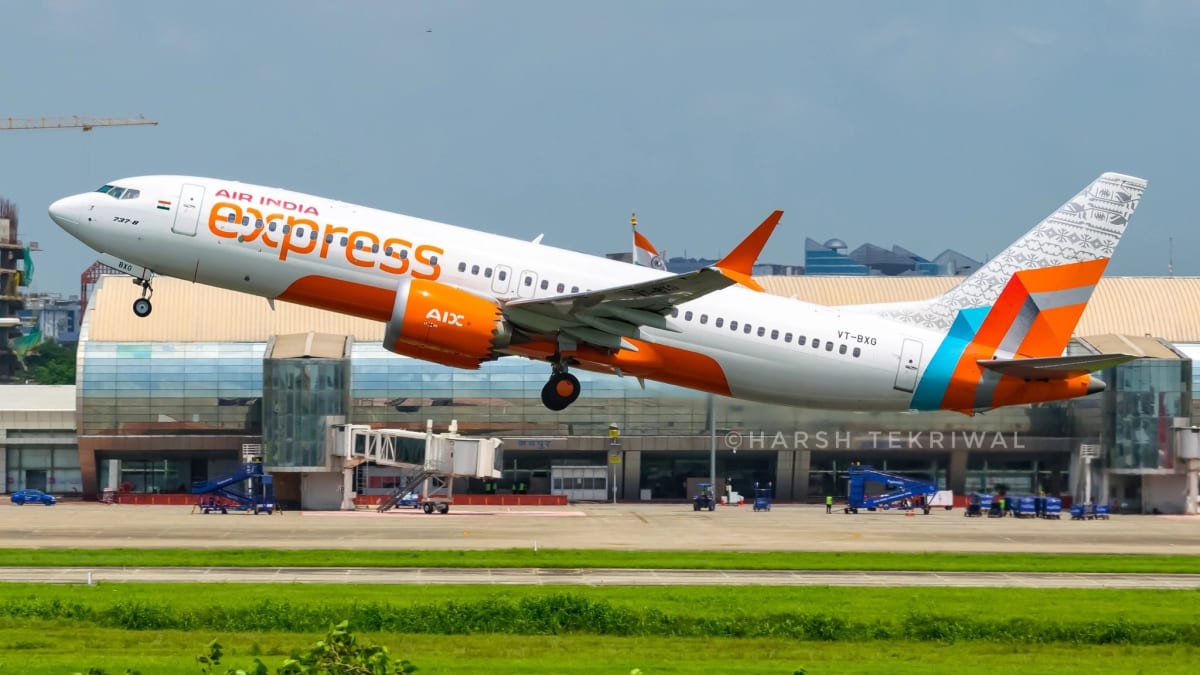
An Air India Express flight on the Ranchi–Bengaluru route departed about five hours behind schedule after a passenger on the incoming sector reportedly suffered breathing difficulties mid-flight, prompting the use of onboard oxygen and a subsequent search for replacement cylinders on the ground.
Get the latest news straight to your inbox!
Medical Scare on Bengaluru–Ranchi Sector
According to multiple news reports, the disruption began on Sunday when Air India Express flight IX 1239 from Bengaluru to Ranchi encountered a medical situation involving a passenger who developed breathing problems while the aircraft was en route to Jharkhand’s capital. Cabin crew deployed oxygen support to assist the traveller, in line with standard in-flight procedures for suspected respiratory distress.
Publicly available coverage indicates that the passenger’s condition stabilized by the time the aircraft arrived at Ranchi’s Birsa Munda Airport at around 8:55 a.m. local time. After disembarkation, the individual did not require hospital admission and later left for home, as reported by Indian media outlets.
The incident did not lead to any diversion or emergency landing, but it did draw on a key safety resource: the aircraft’s portable and fixed oxygen systems. Once on the ground in Ranchi, the operator had to address the depleted stock before releasing the aircraft for the return leg to Bengaluru.
The episode highlights how even non-critical medical concerns can have knock-on effects for airline schedules when safety equipment must be replenished before the next departure.
Oxygen Cylinder Replacement Leads to Long Ground Hold
Reports from Indian news organizations state that the aircraft scheduled to operate the Ranchi–Bengaluru sector remained parked on the ground as the airline worked to arrange replacement oxygen cylinders. Coverage indicates that the equipment had to be sourced from New Delhi, rather than directly from Ranchi, contributing to the length of the delay.
Data shared in local media suggests that the search, coordination, and delivery of the oxygen units resulted in the return flight leaving roughly five hours later than its scheduled departure time. The arrangement reportedly involved logistical coordination across airports to ensure the aircraft met safety requirements for its next journey.
Industry observers note that oxygen supplies on commercial aircraft are tightly regulated and must remain above specified minimum levels. Once oxygen has been used for passenger care, operators generally cannot dispatch the aircraft again until systems are checked, sealed, and verified as compliant, a process that can be more complex at smaller or non-hub airports.
The Ranchi case underlines the operational reality that medical support delivered in flight does not end when the wheels touch down. Restoring equipment to approved levels can be time consuming, particularly when specialized cylinders are not stored in large quantities at every station.
Impact on Passengers and Operations
The approximate five-hour delay affected travelers booked on the Ranchi–Bengaluru leg, some of whom faced missed connections and extended waits at Birsa Munda Airport. While detailed accounts from individual passengers had not widely circulated at the time of writing, extended delays of this length typically create challenges related to rebooking, ground transfers, and onward travel planning.
Public information did not immediately clarify what specific assistance was provided to delayed customers, such as refreshments, accommodation, or alternate routing. In India, passenger entitlements in disruption scenarios can vary depending on carrier policies, flight length, and whether the delay is categorized as within or outside the airline’s control.
Operationally, a five-hour hold on an aircraft can also cascade through an airline’s network. A single delayed rotation may affect crew duty times, aircraft utilization, and the punctuality of subsequent flights scheduled on the same aircraft later in the day. In tightly timed low-cost and hybrid models, such disruptions can ripple into the evening schedule.
Ranchi’s growing role as a regional gateway further underscores the importance of contingency planning. When technical or medical events occur at secondary airports, recovery options such as spare aircraft, backup crew, or on-site critical equipment can be more limited compared with large hubs.
Medical Events and Aviation Safety Protocols
The Air India Express incident fits into a broader pattern of in-flight medical events that periodically affect airline operations worldwide. Civil aviation regulations require aircraft to carry medical kits and emergency oxygen to stabilize passengers until the flight lands, often supported by protocols for consultation with ground-based medical professionals and, when necessary, diversion to the nearest suitable airport.
Recent Indian media clippings compiled by the Airports Authority of India and government agencies show a range of scenarios, from elderly passengers suffering cardiac events to sudden in-flight medical complications that prompt diversions or priority landings. In some cases, flights are rerouted so that affected passengers can receive hospital care as quickly as possible.
While most in-flight medical incidents do not end in diversion or long delay, they consistently highlight the tradeoff between schedule reliability and uncompromising safety practices. Ensuring oxygen supplies and medical kits are fully replenished is part of that safety-first approach, even when it means extended waits for passengers on subsequent sectors.
Aviation analysts often point out that as air travel in India expands and more first-time flyers take to the skies, the absolute number of medical incidents is likely to grow, simply because millions more people are flying each year. This trend places additional emphasis on training, onboard equipment, and ground-based support infrastructure at smaller airports across the country.
Growing Scrutiny of Disruptions on Indian Carriers
The five-hour Ranchi delay arrives amid heightened public discussion about reliability across India’s aviation sector. In recent years, widely shared accounts of long tarmac waits, technical diversions, and extended cancellations have fueled debate about passenger rights and service standards on domestic and international routes.
In the case of the Air India group, ongoing fleet modernization, network expansion, and the integration of Air India Express into a broader low-cost strategy have kept the carrier in the spotlight. While safety-related delays are generally viewed as necessary precautions, traveler expectations around communication, care during disruptions, and timely rebooking continue to rise.
Analysts suggest that transparent handling of events such as medical emergencies, along with consistent updates to travelers, can mitigate frustration when schedules are significantly altered. As India’s aviation market grows into one of the world’s largest, the ability of airlines and airports to manage irregular operations without eroding trust will remain a central challenge.
For passengers on the Ranchi–Bengaluru route, Sunday’s incident served as a reminder that even routine domestic journeys can be affected by unforeseeable health issues on earlier sectors, with operational consequences that extend across the day’s schedule.
The Tribune: AI Express flight from Ranchi to Bengaluru delayed by 5 hours due to oxygen cylinder
NewsBytes: Ranchi–Bengaluru Air India Express delayed 5 hours for oxygen