


More news on this day
Broadway star Patti LuPone has sharply criticized Turkey’s decision to bar an upcoming LGBTQ+ cruise from docking at two of its ports, calling the move discriminatory while vowing to continue with the voyage and perform as planned.
Get the latest news straight to your inbox!
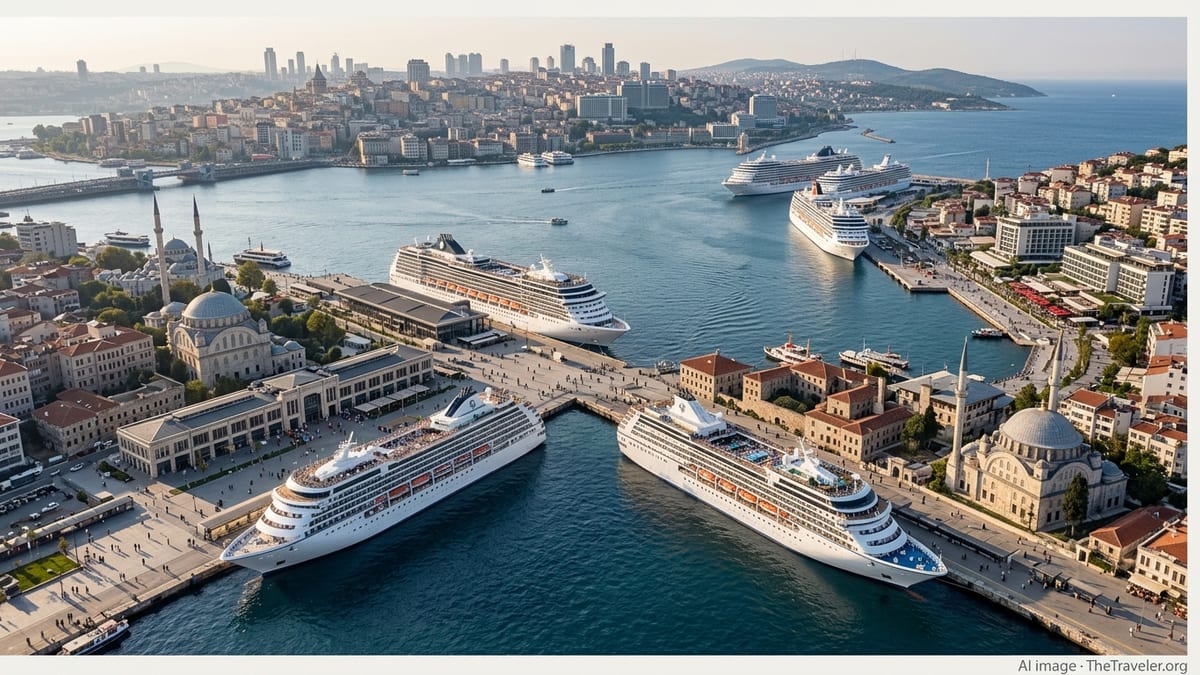
Gay Cruise Itinerary Upended Days Before Departure
The controversy centers on an Atlantis Events charter aboard Virgin Voyages’ Scarlet Lady, an adults-only ship scheduled to sail the eastern Mediterranean in early July 2026. The itinerary, marketed primarily to gay men and other LGBTQ+ travelers, had been set to include port calls in Kuşadası and Istanbul during the week of July 7.
According to published coverage, organizers were informed only days before departure that Turkish authorities would not permit the vessel to dock. Reports indicate that the decision applied to the entire ship because it is an all-gay charter, not to any individual passengers or performers. The affected calls in Turkey have been removed from the schedule and replaced with alternative Mediterranean ports.
Information shared by Atlantis Events and subsequent news reports describe the decision as a late-stage change that forced the company to rework logistics, excursions, and onboard scheduling. Travelers who had planned to explore Istanbul’s historic neighborhoods or the Aegean resort town of Kuşadası are now facing an unexpected change in their holiday plans.
Publicly available information from cruise-travel outlets indicates that the sailing remains otherwise sold out, with thousands of passengers expected to embark from Greece. The incident has quickly transformed what was billed as a celebratory summer voyage into a flashpoint in the wider debate over how LGBTQ+ travelers are received in parts of the Mediterranean.
LuPone Denounces Decision, Affirms Commitment to Fans
LuPone, a three-time Tony Award winner long celebrated within LGBTQ+ communities, is one of the headlining entertainers booked for the charter. In a widely shared Instagram statement, she wrote that she was “shocked” to learn that the cruise had been banned from entering Turkey and described the Scarlet Lady as “a magnificent ship full of gay men” and herself.
Multiple outlets report that LuPone called the decision discriminatory and said the group was being turned away purely “because of who is on board.” She emphasized that she is “furious” about the move, but also confirmed that she will still sail, noting that the ship will make other ports of call in place of the canceled Turkish stops.
In the same statement, cited across entertainment and travel media, LuPone added that she is “ready to perform” for the passengers and that the “wonderful men” on the cruise “deserve so much better than this.” Her comments have amplified international attention on the incident, with the performer’s name trending on social platforms as travelers, fans, and commentators weigh in.
LuPone has a long history of performing on all-gay charters and at LGBTQ+ benefits, and her visible anger has resonated with many prospective guests who see the cancellation as part of a broader pattern of hostility toward queer travelers. The star, however, has framed her response around solidarity with passengers rather than her own personal inconvenience.
Turkey Cites ‘Moral Values’ as Rights Climate Draws Scrutiny
While individual port and security decisions are typically handled at a local level, the ban is playing out against an already tense backdrop for LGBTQ+ rights in Turkey. According to regional reporting, authorities in the Aydın province, which includes Kuşadası, referenced concerns over “moral values” and “public unease” in connection with the planned visit by the all-gay cruise.
In recent years, public Pride marches in Istanbul and other cities have frequently been restricted or blocked, and human rights groups have documented increasingly negative rhetoric toward LGBTQ+ communities. Domestic legislative proposals aimed at curbing queer and trans visibility, including restrictions on advocacy organizations and media coverage, have also been the subject of international criticism.
Travel industry coverage notes that Turkey remains a major tourism destination, particularly for Mediterranean cruising, but the ban has renewed questions about whether the country is willing to welcome openly LGBTQ+ groups. Some commentators argue that the incident could deter future charters and independent travelers who prefer destinations that clearly support equality and inclusion.
For Atlantis Events, which has built a business around chartering full cruise ships for LGBTQ+ vacationers, the episode highlights ongoing challenges when itineraries intersect with jurisdictions where social and legal attitudes toward queer communities are hardening. Industry observers say companies serving LGBTQ+ travelers now weigh local regulations and political climate as carefully as port infrastructure or sightseeing appeal.
Rerouting Highlights Risks and Resilience for LGBTQ+ Travel
As the cruise line retools its itinerary, passengers are being assured that the sailing will still feature the entertainment lineup and onboard programming they were promised. Reports indicate that replacement ports in more welcoming jurisdictions have been secured, and that shore-excursion teams are scrambling to offer new cultural and beach experiences in place of the Turkish calls.
Specialist tour operators note that this type of last-minute rerouting, while disruptive, is not unprecedented for LGBTQ+ charters. Companies operating in a patchwork of legal environments often build contingency plans into their operations, anticipating that local authorities may withdraw permits or impose restrictions with little warning.
Travel analysts suggest that the Atlantis incident may reinforce a trend of LGBTQ+ cruise and tour operators favoring destinations with clearer non-discrimination protections and a track record of hosting queer travelers without incident. At the same time, many in the community remain eager to visit historically and culturally rich countries like Turkey, provided that they can do so safely and without being singled out.
The rapid reconfiguration of this sailing also illustrates the resilience many LGBTQ+ travelers have developed, with social media posts from would-be passengers expressing disappointment about missing Istanbul while voicing determination to enjoy the voyage and support performers like LuPone who are pressing ahead.
Global Reaction Fuels Debate Over Where Queer Travelers Spend
The decision has sparked a wave of commentary that reaches beyond the theater world and cruise community. On social platforms and in online forums, some users have called for informal boycotts of destinations that explicitly exclude LGBTQ+ group travel, arguing that tourism dollars should go to countries and ports that welcome diversity.
Others have pointed out that many queer visitors already travel discreetly to places with restrictive laws, and that high-profile incidents such as the Atlantis ban make it harder to ignore the risks. For travel planners and agencies that specialize in LGBTQ+ clients, the episode may prompt renewed discussions about clearly labeling itineraries that include ports where rights and protections are limited.
For now, the Scarlet Lady sailing is expected to depart on schedule, only without the Turkish chapter that many guests had anticipated. As the ship charts a revised course, LuPone’s pledge that she is “ready to perform” has become a rallying phrase for passengers and supporters who see the voyage itself as an act of visibility in a region where that visibility is increasingly contested.
Whether the controversy leads to policy changes or a lasting shift in how LGBTQ+ cruise itineraries are built remains to be seen. What is clear is that a single denied port call has exposed broader tensions at the intersection of tourism, cultural politics, and the rights of queer travelers to move freely through some of the world’s most storied waters.