


More news on this day
Pavlus Travel & Cruise is reporting robust luxury booking results and using early 2026 performance data to spotlight how affluent travelers are likely to shape 2027 vacation patterns, from longer itineraries and suite upgrades to more flexible, experience-led planning.
Get the latest news straight to your inbox!
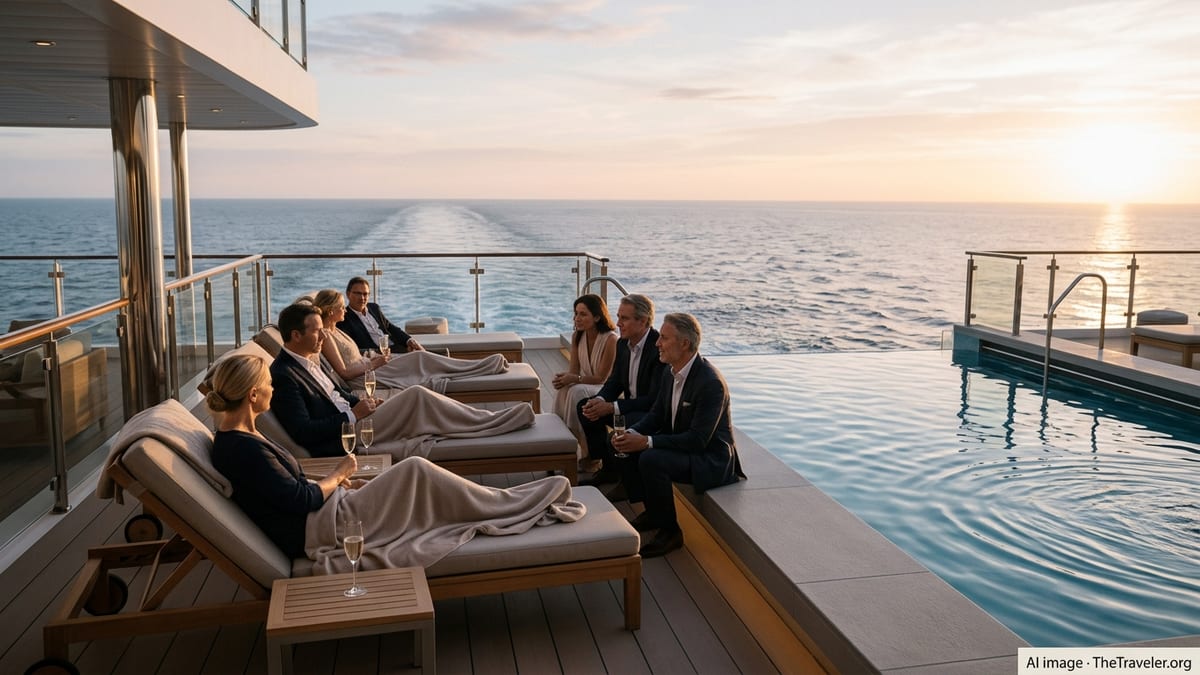
Luxury Bookings Strengthen Across Cruises and Tours
Publicly available information from the Pavlus Travel newsroom indicates that luxury demand has remained strong into 2026, with the company highlighting thousands of upscale vacations booked in the opening months of the year. The agency focuses heavily on ocean and river cruises, escorted tours and independent itineraries, a mix that has benefited from travelers’ willingness to spend more on high-touch, hassle-free trips.
Company materials describe a notable uptick in premium and luxury cruise sales, particularly in higher-category staterooms and suites. This aligns with broader industry research suggesting that the luxury travel market is expanding as affluent travelers prioritize comfort, personalization and access over minimal cost. Analysts tracking the global luxury segment point to rising spend on high-end vacations and a wider base of affluent consumers prepared to invest in once-in-a-lifetime experiences.
Commentary in trade coverage and trend reports also suggests that the resilience of luxury travel is outpacing some mainstream segments. While economic and geopolitical uncertainty persists, high-net-worth and mass-affluent travelers appear to be protecting their travel budgets, often reallocating spend toward fewer but more significant trips, rather than scaling back altogether.
Within this environment, Pavlus Travel & Cruise’s performance underscores a broader story: high-end travelers are using trusted advisors to navigate a crowded marketplace of cruise lines, tour operators and boutique experiences, and they are often upgrading components rather than downgrading or canceling trips.
Booking Behavior Shifts: Longer Trips and Later Decisions
Recent Pavlus Travel market updates describe a clear shift in how luxury travelers are structuring their vacations. Data shared in trade articles and in the company’s own releases point to a rise in longer itineraries, with clients choosing extended voyages, back-to-back sailings and more ambitious land components before and after cruises.
At the same time, there is evidence of shrinking booking windows at the top end of the market. Reports on luxury cruise patterns note more last-minute decisions for high-value trips, supported by tools such as Pavlus Travel’s “90 Day Cruise Ticker,” which concentrates value-driven offers on sailings departing within a relatively short timeframe. This runs counter to the traditional model in which deluxe travelers planned a year or more in advance, and it hints at growing confidence in inventory and airlift.
Industry research on luxury travel more broadly reinforces these patterns. Outlook reports and consulting analyses show travelers gravitating toward flexible arrangements that allow them to commit later without sacrificing quality. For 2027, that could translate into a continued emphasis on late-booked but high-spend vacations, as travelers monitor economic conditions and destination news before locking in plans.
For travel agencies and suppliers, these shifts are reshaping revenue management and product design. Longer trips create higher per-booking value, but shorter lead times require more agile promotions, dynamic pricing and attentive advisor support to match affluent travelers with the right cabin categories, departure dates and bespoke experiences.
Experience-Led Luxury and Emerging 2027 Themes
Beyond the booking mechanics, Pavlus Travel’s communications and wider industry trend reports point toward a clear evolution in what constitutes “luxury” for 2027 vacations. Advisors are seeing growing interest in itineraries that prioritize immersive experiences, cultural depth and wellness, rather than simply traditional markers such as room size or brand prestige.
Insights from global luxury travel studies highlight several forces converging on 2027. Experience-led itineraries are gaining ground, with affluent travelers seeking small-group or private touring, access to local experts and personalized activities that connect them more deeply to a destination. Sustainability and responsible travel are also emerging as status markers, with a rising share of high-end guests willing to pay more for properties and cruise lines that demonstrate credible environmental and community commitments.
Demographic change is another driver. Research into wealth distribution suggests that younger affluent travelers in regions such as North America, Europe and India are keen on combining leisure with learning, adventure and purpose, which favors expedition cruising, culturally rich river voyages and off-the-beaten-path tour programs. These travelers often value seamless digital planning balanced with high-touch, human service once on the ground or on board.
For 2027, these dynamics are likely to manifest in continued momentum for itineraries built around remote landscapes, culinary discovery, ancestry or “roots” tourism and wellness-focused escapes. Pavlus Travel’s emphasis on river ships, small to mid-sized ocean vessels and curated tour brands positions it to tap into these preferences as suppliers release their 2027 deployment and pricing.
Destination Patterns and Itinerary Design for 2027
Published industry reports on luxury travel identify several geographic themes that are expected to influence 2027 planning, many of which align with Pavlus Travel’s core offerings. Destinations in Japan, Southeast Asia, Australia and the South Pacific are flagged as growth regions for high-end hospitality, fueled by expanded air service, new ships and resorts, and demand for culturally rich itineraries.
At the same time, “coolcations” are gaining traction among travelers who want to avoid extreme heat and peak-season crowds. Northern Europe, Alaska, the Arctic and other high-latitude destinations are benefiting from this trend, with expedition-style cruises and scenic rail journeys often combined into longer, multi-country vacations. Such itineraries are a natural fit for cruise-tour packaging that agencies like Pavlus regularly arrange.
Closer to home, Europe remains a staple for the luxury segment, yet itinerary design is evolving. Instead of rapid-fire city hopping, travelers are building stays around fewer bases, with extended time in villas, small luxury hotels or on boutique ships, paired with curated day trips and private touring. This “slow luxury” approach matches findings from trend reports that show a preference for meaningful time in each destination over ticking off as many places as possible.
As suppliers continue to unveil 2027 world cruises, grand voyages and extended land programs, agencies are expected to focus on stitching together complex trips that blend multiple regions, brands and styles of travel. The emphasis on customization and seamless logistics is likely to remain central to how Pavlus Travel & Cruise structures these high-value vacations.
Outlook: Advisors Poised to Steer High-End Travelers
Across the luxury segment, publicly available outlooks for 2026 and beyond point to continued growth, with market analyses projecting that high-end travel will expand faster than some mainstream categories. River cruising, in particular, is forecast to see healthy gains through 2027, and the broader luxury travel market is expected to add hundreds of billions of dollars in value over the next several years.
Within this context, Pavlus Travel & Cruise’s strong results serve as a bellwether for how upscale travelers are likely to behave as they plan 2027 vacations. The combination of longer trips, flexible booking windows and a shift toward immersive, sustainable experiences suggests that travelers will continue to seek guidance from advisors who can interpret complex pricing, promotions and deployment patterns.
For travelers, the message is that 2027 is shaping up to be a year defined less by sheer volume of trips and more by depth, personalization and smart timing. For agencies such as Pavlus and the suppliers they work with, the challenge will be staying nimble in the face of evolving expectations while maintaining the high-touch service that remains at the core of luxury travel.