


More news on this day
Major Russian airports have endured a third consecutive night of rolling shutdowns as mass drone alerts swept across the country, disrupting holiday and business travel, forcing aircraft to divert hundreds of miles, and sharpening global concern about the safety and reliability of Russia’s skies.
Get the latest news straight to your inbox!
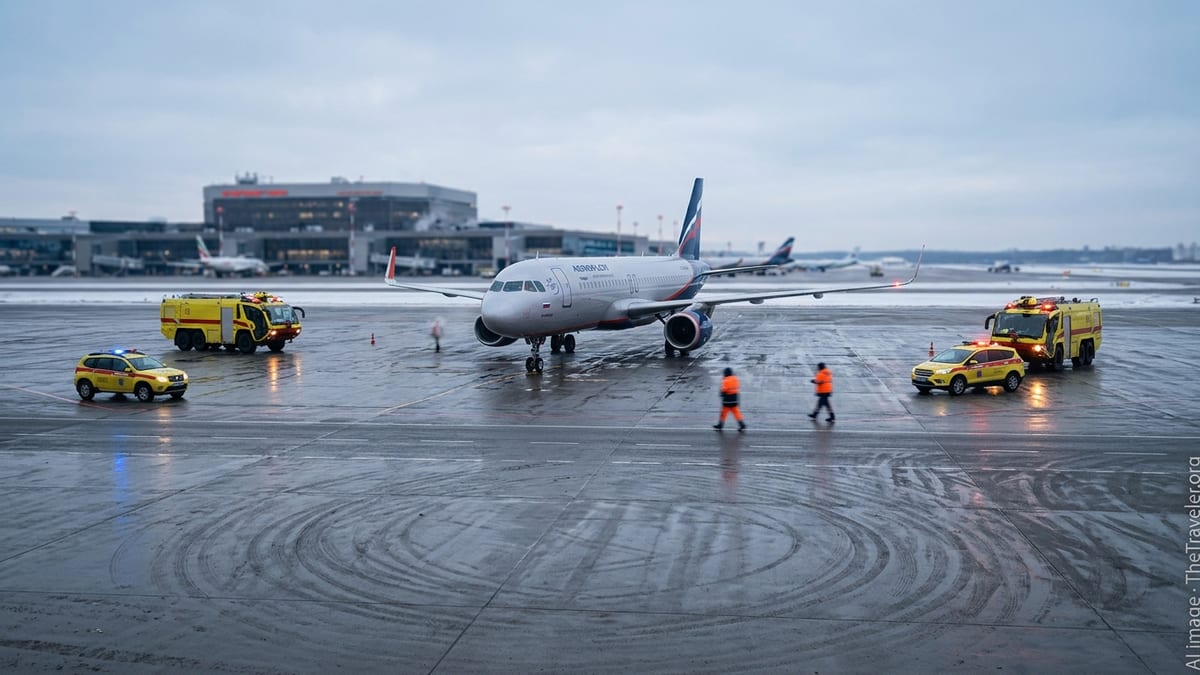
Third Night of Airport Blackouts Ripples Across Russia
Publicly available flight-tracking data and regional media reports show that on the night of September 3 to 4, operations were repeatedly suspended at airports serving Moscow and several other Russian regions as air defenses responded to fresh waves of drones. Arrivals and departures were paused, with aircraft held in holding patterns or diverted while runways effectively went dark.
Specialist aviation outlet AviNews reports that the latest alerts marked the third night in a row of widespread disruption, following earlier suspensions on the nights of September 1 to 2 and 2 to 3 at major Moscow hubs. Flight monitoring snapshots cited in independent analyses indicate that Vnukovo and Sheremetyevo again featured among the airports where traffic temporarily halted.
According to aggregated figures published by aviation and defense trackers, hundreds of drones have been detected over Russian territory during each of the recent night-time barrages. Russia’s Defense Ministry has claimed that the vast majority were intercepted, yet even unsuccessful overflights have repeatedly been sufficient to trigger airport closures under safety protocols.
These rolling shutdowns have coincided with intensified messaging from Kyiv about an expanded long-range drone campaign aimed at making Russian airspace unpredictable and costly for civil aviation. Analysts note that the pattern of repeated nightly suspensions is beginning to align with those warnings.
Travelers Face Cancellations, Diversions and Long Night Delays
For passengers inside Russia, the third night of airport shutdowns translated into visible queues, departure boards filled with delays, and uncertainty about when flights might resume. Coverage from regional outlets and traveler accounts on social media describe crowds bedding down on terminal floors as rolling restrictions extended into the early hours.
Reports compiled by the Kyiv Post and other international media indicate that cancellations and delays have not been confined to the Moscow area. Airports in western and southern regions, including hubs that handle key domestic connections, have also imposed temporary restrictions when drones were reported in nearby airspace, forcing aircraft to circle or divert to alternate fields.
Data cited by independent monitoring projects and reposted in online forums suggest that Russian airports collectively closed their runways hundreds of times in August because of drone-related alerts, with the first days of September continuing the trend. The third consecutive night of darkness has strengthened expectations among aviation observers that travelers in Russia should now plan for frequent last-minute changes.
Travel industry analysts quoted in sector-focused coverage argue that the current pattern of interruptions, while often lasting only a few hours at each airport, can easily cascade into missed connections and lost aircraft rotations. That dynamic is likely to amplify disruption well beyond the specific nights when drones are detected.
Drone Campaigns and the Contest for the Skies
The latest airport shutdowns come amid a broader escalation in long-range drone use across the Russia-Ukraine war. Ukraine-focused reporting by international outlets, along with assessments from research organizations, has traced a steady increase in Ukrainian one-way attack drones targeting oil infrastructure, military sites and logistics hubs deep inside Russia throughout the summer of 2026.
Analyses from the Institute for the Study of War and other monitoring groups note that Moscow-area airports have already suspended operations on multiple nights since late August in response to such drone activity. These sources highlight recent data from flight-tracking services showing simultaneous ground stops at more than one Moscow hub as air defenses engaged incoming drones.
On September 1, Ukrainian President Volodymyr Zelensky delivered a public warning to airlines, insurers and governments that Russian airspace was becoming “completely unsafe” and was “effectively closing” because of ongoing drone operations, according to transcripts and aviation-industry coverage. Subsequent summaries in outlets such as Aviation Week explain that Ukraine’s stated objective is to raise the financial and operational risks of using Russian skies, without targeting passenger aircraft.
Within days of that address, a new wave of night-time alerts has forced Russian airports to repeatedly suspend civilian flights, lending practical weight to those warnings. Commentators following the conflict argue that the emerging pattern illustrates how relatively low-cost drones are increasingly being used not only to hit strategic infrastructure, but to paralyze airspace and sow uncertainty among travelers and airlines.
Global Airlines Reassess Russian Routes
The latest disruptions are feeding into a wider reassessment of Russian airspace that has been underway since the full-scale invasion of Ukraine began. Many carriers from Europe, North America and parts of Asia already avoid Russian territory because of sanctions and regulatory restrictions, but some airlines from the Middle East, Asia and the Global South have continued to route flights through or to Russia.
Following Zelensky’s September 1 warning, aviation-industry coverage indicates that insurers and airline risk managers are revisiting exposure to Russian airports and overflight corridors. Higher premiums, potential rerouting costs and the prospect of frequent, unplanned ground stops are now being factored into route planning and schedule design.
Travel-focused analysis published by sites such as TheTraveler.org and NomadLawyer suggests that if nightly drone alerts and airport shutdowns continue, more international carriers may decide that the uncertainty outweighs the benefits of using Russian routes. That could further isolate Russian travelers from global networks and push more international traffic onto alternative paths over Central Asia, the Middle East or the Arctic.
For passengers outside the region, the immediate impact may be limited to occasional longer flight times and timetable adjustments. However, industry observers caution that any significant re-routing away from Russian airspace can tighten capacity on certain long-haul corridors, with potential knock-on effects for fares and connectivity in parts of Europe and Asia.
What the Third Night Signals for Future Travel
With three consecutive nights of airport shutdowns now documented by flight trackers and media outlets, analysts are treating the disruptions less as isolated incidents and more as an emerging feature of the conflict. Aviation specialists argue that if drone operations remain intense, airport closures could become a recurring overnight reality across parts of Russia.
Commentary collected by Ukraine-focused and independent monitoring platforms suggests that Ukraine views the pressure on Russian air travel as a way to extend the battlefield into the economic and psychological realm, complicating everyday life far from the front lines. In this reading, darkened runways and stranded passengers form part of a broader effort to demonstrate that the war can reach deep into Russian territory.
For now, publicly available data shows that runway closures have been temporary and largely confined to nighttime hours, allowing many flights to operate once alerts subside. Yet the triple night of blackouts is prompting fresh questions among travelers, airlines and insurers about how sustainable it is to keep flying into a conflict-adjacent airspace that can shut down with little notice.
As autumn approaches, industry watchers will be tracking whether the rate of drone alerts rises further and whether additional Russian regions begin to see regular airport suspensions. The answers will shape not only Russia’s internal mobility, but also the evolving map of global aviation routes.
AviNews: Russian Airports Hit by Third Consecutive Night of Drone Alerts
Kyiv Post: Russian Airports Face Another Night of Drone Disruptions
ISW: Russian Offensive Campaign Assessment, September 3, 2026
Aviation Week: Ukraine Warns Airlines as Drone Strikes Threaten Russian Airspace