


More news on this day
The U.S. State Department has issued a new worldwide caution for all Americans abroad, urging travelers and expatriates to exercise increased vigilance as geopolitical tensions, terrorism threats, and regional conflicts contribute to a more unpredictable global security environment.
Get the latest news straight to your inbox!
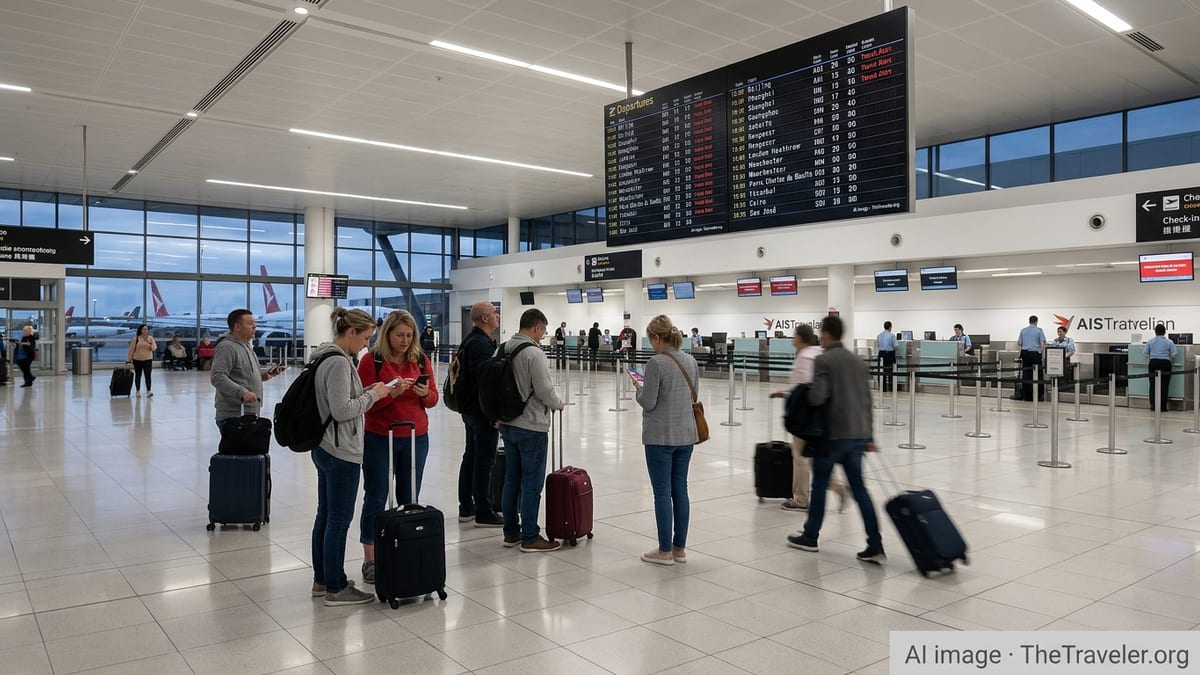
New Worldwide Caution Highlights Elevated Global Risk
Publicly available information from the U.S. government shows that the worldwide caution advises Americans overseas to be more alert to the risk of terrorism, demonstrations, and violence targeting U.S. interests. The alert applies to all regions and is framed as a broad reminder that conditions can deteriorate quickly, even in destinations that are typically seen as stable for tourism and business travel.
The alert coincides with an already complex security picture in several parts of the world, including active conflict zones and countries facing political instability. Coverage of the advisory indicates that officials are drawing attention in particular to threats against locations associated with the United States, such as embassies, consulates, hotels frequented by Western travelers, and popular tourism sites.
Travel reporting notes that this type of worldwide caution does not prohibit travel, nor does it automatically raise every country to the highest advisory level. Instead, it is intended as a cross-cutting security message layered on top of country-specific advisories that may already warn of terrorism, civil unrest, kidnapping, or other dangers.
The notice underscores that U.S. citizens abroad are responsible for their own safety decisions, and that conditions can change with little warning. It is being interpreted by travel industry observers as a signal that the risk of spillover incidents tied to regional crises and great-power tensions remains elevated.
How the Worldwide Caution Interacts With Country-Specific Advisories
The worldwide caution sits alongside the State Department’s four-tier advisory system, which ranges from “Exercise Normal Precautions” at Level 1 to “Do Not Travel” at Level 4. Legal and policy analyses describe these advisories as the U.S. government’s formal risk ratings for every destination, taking into account terrorism, crime, civil unrest, health risks, and wrongful detention concerns.
Reports note that only a limited group of countries currently fall under Level 4 status. These typically include active war zones, places where widespread violent crime and lawlessness are present, and countries where the risk of arbitrary detention or government targeting of U.S. nationals is considered especially acute. By contrast, many popular destinations are classified at Level 1 or Level 2, but can still be affected by a global warning such as the one now in effect.
Travel-focused coverage stresses that the worldwide caution should be read together with the detailed advisory for each country. For example, separate notices highlight that certain countries have seen recent attacks against security forces and civilians, while others warn about kidnapping, roadblocks, or local restrictions on movement. Americans abroad are encouraged to review these destination-specific pages regularly, since updates can follow new incidents or changes in local conditions.
Security analysts quoted in public commentary add that the combination of a general worldwide caution and persistent Level 3 or Level 4 ratings for selected countries points to a layered risk environment that travelers must navigate carefully, rather than a uniform danger level everywhere.
Drivers Behind the Latest Warning
According to published coverage and university advisories that summarize the current alert, the worldwide caution is closely linked to ongoing conflict in the Middle East and broader regional instability. Those summaries indicate that American travelers, particularly in and around conflict zones, may face a higher risk of being caught up in attacks, demonstrations, or reprisals aimed at U.S. interests.
Background information on recent embassy security messages describes concerns that groups motivated by regional conflicts or opposition to U.S. policies could look for soft targets outside formal diplomatic facilities. These could include heavily visited public spaces, large events, and venues perceived as symbols of Western presence. The worldwide caution is being interpreted as a reminder that such risks are not confined to the immediate conflict area, but can extend to third countries with significant American communities or transit hubs.
Commentary also points to a pattern of previous global alerts issued in response to major terrorist attacks or sudden escalations in international crises. The current message is being placed in that same category, reflecting not only the war-related context but also heightened concern over copycat incidents and opportunistic violence in other regions.
Analysts note that while the worldwide caution does not specify individual plots, it reinforces a view that the threat landscape is diffuse and can shift rapidly as events unfold in real time, including changes in airspace access, protests near foreign missions, or disruptions around key anniversaries and political milestones.
Implications for Travelers, Students, and Expatriates
For Americans already overseas, the worldwide caution serves as a prompt to reassess personal security habits. Travel experts writing about the advisory recommend reviewing local news, understanding neighborhood-specific risks, and identifying safe routes to workplaces, schools, and lodging. Many also emphasize the importance of maintaining flexible plans, with backup options for transportation and accommodation if a situation deteriorates.
Universities and study abroad offices are highlighting the advisory in communications to students, often reminding them to keep program staff updated on their whereabouts and to avoid large gatherings, protests, and political events. In some cases, institutions reference the State Department’s guidance when revisiting their own risk thresholds for educational travel or short-term faculty-led programs.
For expatriates and corporate travelers, industry briefings suggest that the warning could influence corporate risk management policies. Insurance specialists point out that elevated advisory levels and global alerts can affect travel insurance coverage, employer duty-of-care assessments, and the availability of emergency evacuation services. Companies with staff abroad may respond by updating security briefings, adjusting itineraries, or imposing additional approval steps for trips to higher-risk locations.
Despite these concerns, travel sector commentary notes that commercial flights and tourism activity continue across most destinations, and that the worldwide caution is not a blanket ban on international travel. Instead, it may lead more Americans to seek professional security advice, rely on vetted local partners, and pay closer attention to official messages from U.S. missions where they live or visit.
Practical Steps for Americans Overseas
Public guidance from the State Department and related resources outline several concrete measures Americans can take in response to the worldwide caution. Registration in the Smart Traveler Enrollment Program, for example, enables U.S. embassies and consulates to send security alerts directly to travelers and long-term residents, including notices of demonstrations, curfews, or transportation disruptions.
Advisories also emphasize maintaining a low profile, staying aware of surroundings at all times, and avoiding areas where large crowds gather, particularly near government buildings, religious sites, or locations that have been the focus of recent unrest. Travelers are encouraged to vary daily routines, secure travel documents, and prepare basic contingency plans, such as knowing how to reach the nearest diplomatic mission or emergency contact center.
Security briefings highlight that Americans should expect more visible security measures at airports, hotels, and major attractions in certain regions, including bag checks, road closures, and longer wait times. While potentially inconvenient, these steps are framed as part of a broader effort by host governments and private operators to deter attacks and manage crowds in a period of heightened alert.
Specialists in travel risk argue that the renewed worldwide caution is a reminder that international travel now requires more preparation than in the past. They point to the need for up-to-date itineraries shared with family or employers, awareness of local laws and customs, and an understanding of how quickly situations can change. For many Americans abroad, the advisory functions less as a call to cancel travel outright and more as a directive to plan carefully, remain informed, and be ready to adapt as global dynamics evolve.