


More news on this day
A fatal collision between a bicyclist and a train in Lake Worth Beach has prompted a traffic homicide investigation by the Palm Beach County Sheriff’s Office, according to early local reports and public information from area agencies.
Get the latest news straight to your inbox!
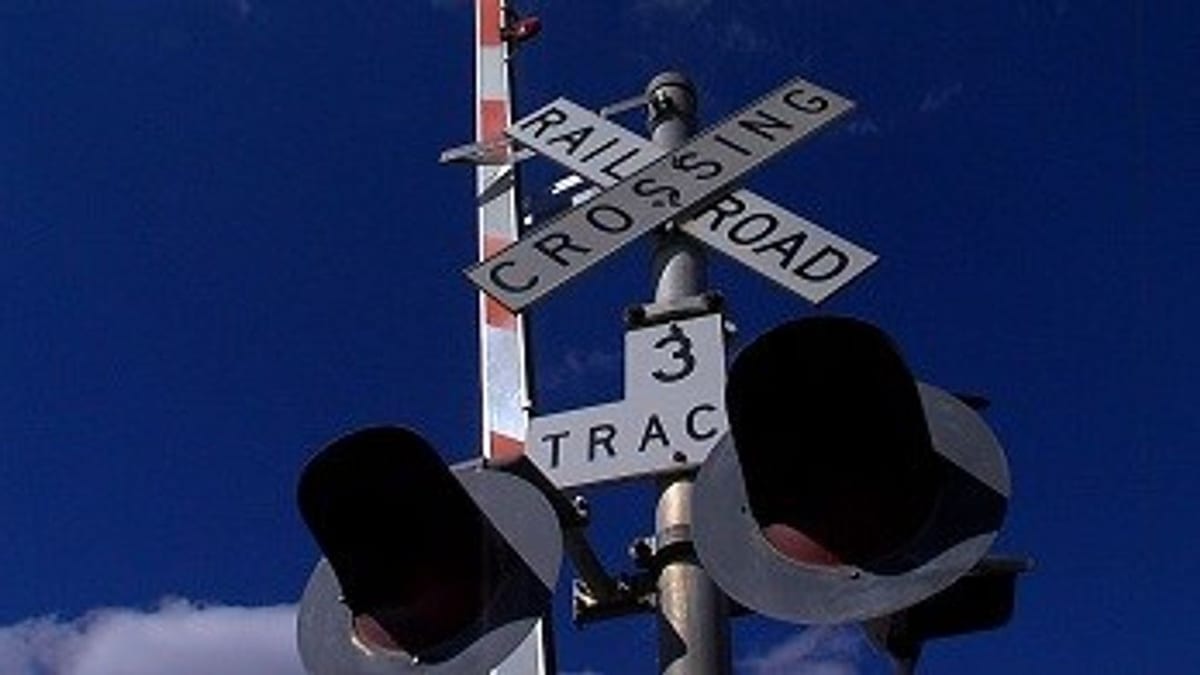
Deadly crash near Lake Worth Beach rail corridor
Initial coverage from local news outlets indicates that a person riding a bicycle was struck and killed by a passing train in Lake Worth Beach, a coastal city in central Palm Beach County known for its busy rail corridor and multiple grade crossings. The collision reportedly occurred near active tracks used by high speed passenger and freight trains, in an area where trains frequently move through dense neighborhoods and commercial districts.
Reports describe the victim as being found near or next to a bicycle close to the tracks after the impact. Emergency personnel responded to the scene and the individual was later pronounced dead. The train involved remained stopped in the area for an extended period while investigators documented the scene and rail traffic was temporarily disrupted.
The precise circumstances of the crash, including whether the bicyclist was attempting to cross ahead of the train, traveling along the right of way, or already on the tracks at the time of impact, have not yet been fully detailed in publicly available summaries. The Palm Beach County Sheriff’s Office, which provides primary law enforcement services in the Lake Worth Beach area, has opened a formal investigation into the fatal collision.
The crash adds to a series of serious rail related incidents reported along South Florida tracks in recent years, particularly in Palm Beach and Broward counties, where a mix of roadway traffic, pedestrians and cyclists interact with fast moving trains at grade level.
PBSO leads traffic homicide investigation
Publicly accessible information shows that the Palm Beach County Sheriff’s Office routinely assigns traffic homicide investigators to serious crashes involving trains, vehicles, pedestrians and bicyclists anywhere within its jurisdiction. In similar rail related cases in the county, investigators have been responsible for documenting the scene, collecting witness information, and coordinating with rail operators to review train data and video.
In the Lake Worth Beach collision, PBSO investigators are expected to analyze physical evidence from the tracks and surrounding area, including the final resting positions of the bicycle and any debris field, as well as marks on the rails or pavement. They typically review on board train event recorders, camera recordings where available, and signaling data to determine train speed, horn use, and whether crossing protection was activated as designed.
The investigative process often includes toxicology testing, a review of the bicyclist’s direction of travel, and an assessment of visibility at the time of the crash. Findings from prior cases in the region show that investigators also consider environmental conditions, such as lighting, weather and any visual obstructions, as well as the configuration of the intersection or crossing involved.
Once complete, the investigative file is generally forwarded to the local state attorney’s office if there is any indication of potential criminal liability, such as impaired driving, tampering with crossing equipment, or intentional entry into the right of way in violation of posted warnings. If the case is determined to be accidental with no criminal element, the findings still feed into broader safety assessments for the rail corridor.
Rail safety concerns in Lake Worth Beach and Palm Beach County
The fatal bike train collision in Lake Worth Beach comes amid ongoing debate about rail safety across South Florida. The region’s coastal rail line runs through older downtowns and residential neighborhoods where streets intersect the tracks at relatively short distances, creating multiple conflict points between trains, cars, pedestrians and cyclists.
Transportation planning documents and past crash analyses for Palm Beach County have highlighted Lake Worth Beach as one of several communities where pedestrian and bicycle crashes near major corridors remain a concern. These reviews point to the combination of higher speed rail service, busy arterial roads, and growing numbers of people walking or biking to work, transit stops and the beach.
In response to past incidents, railroads and local agencies in South Florida have pursued a mix of safety measures, including upgraded crossing gates, additional warning signage, fencing in problem areas, and public outreach focused on trespassing and distracted walking or cycling near the tracks. Some crossings have received more robust barriers and roadway redesigns intended to discourage drivers, cyclists and pedestrians from going around lowered gates.
Despite these efforts, recent years have continued to see serious and sometimes deadly encounters with trains along the corridor, underscoring the challenge of fully separating rail operations from everyday street activity in dense coastal communities like Lake Worth Beach.
Community impact and renewed focus on crossing behavior
Fatal rail crashes can have a lasting effect on nearby neighborhoods, particularly in compact downtown districts where residents regularly see and hear trains throughout the day. In Lake Worth Beach, the latest incident is likely to raise fresh concerns among people who use bicycles for short trips between home, work, school and the city’s waterfront areas.
Local advocacy groups and transportation planners in the broader region have previously emphasized the need for education campaigns aimed at both motorists and vulnerable road users, including cyclists and pedestrians. These efforts typically stress the importance of obeying crossing signals, avoiding attempts to beat an oncoming train, and never entering the right of way when gates are down or lights are flashing.
Rail safety messaging in South Florida has also focused on the unique risks posed by higher speed passenger services that accelerate and decelerate more rapidly than traditional freight traffic. For cyclists in particular, even a brief misjudgment of distance or speed near the tracks can have catastrophic consequences, especially in locations where multiple tracks can conceal a second train approaching.
The Lake Worth Beach collision is expected to inform future discussions about engineering changes, enforcement strategies and educational outreach in Palm Beach County. As investigators work to reconstruct the sequence of events, transportation and safety specialists are likely to look closely at whether additional measures around the crash site could help reduce the risk of similar tragedies.
Ongoing investigation and pending findings
The formal investigative process into the Lake Worth Beach bike train collision remains underway, and detailed findings have not yet been released through official public reports. Key questions include the bicyclist’s movements immediately before impact, the operational status of any crossing equipment, and whether any contributing factors such as distraction, impairment or mechanical issues played a role.
Once completed, the Palm Beach County Sheriff’s Office typically summarizes the results of traffic homicide investigations in written reports that can be requested through public records channels. These documents often include diagrams, timelines and technical assessments that help explain how and why a particular collision occurred.
Rail operators, transportation planners and local governments frequently review such findings to determine whether additional infrastructure upgrades, enforcement actions or public awareness campaigns are warranted. The outcomes can influence decisions about funding priorities for safety projects in and around rail corridors.
For residents of Lake Worth Beach and the surrounding area, the case serves as a somber reminder of the risks posed by active rail lines intersecting everyday travel routes. Until more information is available, safety advocates continue to urge cyclists, pedestrians and drivers to treat all tracks as active at all times and to exercise extreme caution near any railroad crossing.