


More news on this day
A person was hospitalized after an incident at Walnut Creek BART station in which preliminary reports indicate they may have been struck by a Bay Area Rapid Transit train, prompting disruptions for riders on one of the system’s busiest suburban stops.
Get the latest news straight to your inbox!
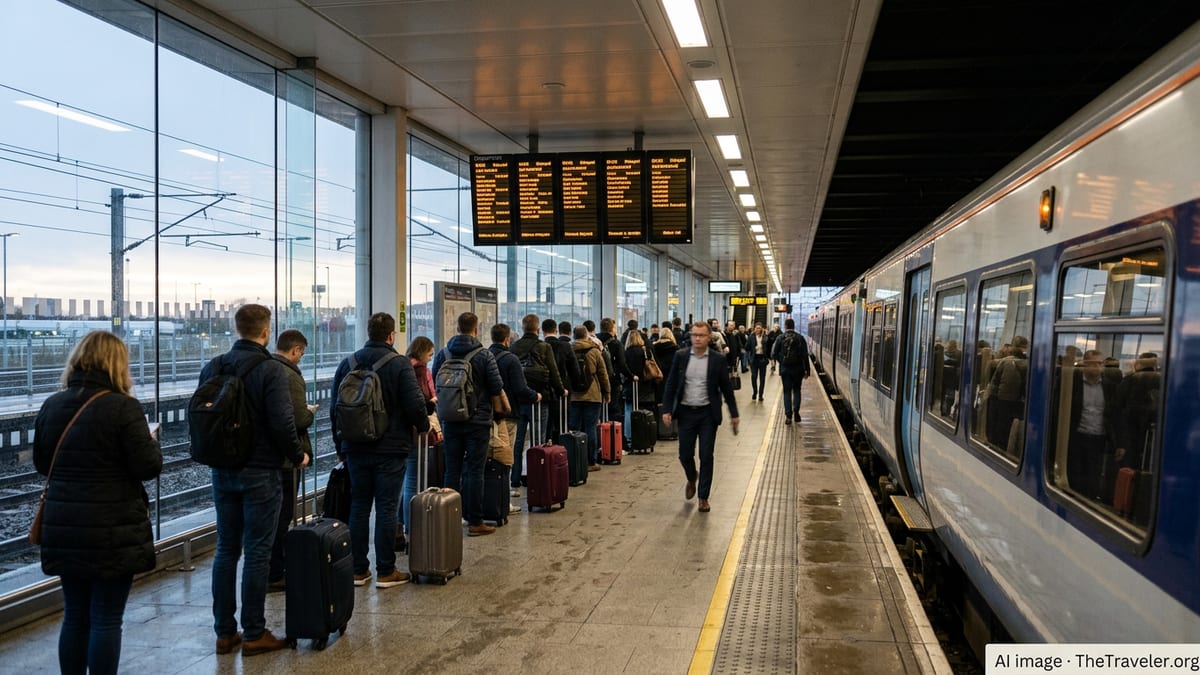
Incident Prompts Emergency Response at East Bay Hub
Published coverage indicates the incident occurred on Sunday, June 21, at the Walnut Creek BART station on the system’s Antioch to San Francisco line. Early accounts describe a person on or near the tracks who was later transported to a hospital, with the exact nature of their contact with the train still under review. Initial descriptions emphasize that investigators are working to determine whether the individual was physically struck by the train or injured in another way during the trackway emergency.
The response temporarily affected service through Walnut Creek, a key East Bay commuter hub located along Interstate 680 and State Route 24. Trains in both directions experienced delays as crews secured power, cleared the track area, and allowed medical personnel access to the patient. Riders reported holding on trains outside the station and on crowded platforms as operations were adjusted around the emergency activity.
Publicly available information suggests that regular service resumed after the track was inspected and deemed safe for operations. No additional injuries among passengers or staff were reported in connection with the incident, and there was no immediate indication of damage to train equipment. Details about the person’s condition have not been widely released, beyond confirmation that they were taken to a local medical facility.
Walnut Creek Station’s Role in the BART Network
Walnut Creek is one of the original East Bay stations in the BART network and serves as a central node for commuters traveling between Contra Costa County and San Francisco. The elevated station sits within a busy commercial district surrounded by offices, shopping destinations, and the Walnut Creek Transit Village, making it a major transfer point between trains, buses, and local shuttles.
Because of that role, any incident requiring track closures or platform access restrictions at Walnut Creek can have an outsized impact on regional travel. Riders along the Yellow Line corridor between Concord, Walnut Creek, and Oakland often rely on frequent headways during peak periods, and disruptions at one station tend to ripple along the line. This latest emergency follows other recent service interruptions in the area tied to maintenance and power issues, which have already tested the system’s resilience for daily commuters.
Walnut Creek’s platforms and trackway are elevated above street level, with access via stairs, escalators, and elevators from Ygnacio Valley Road and North California Boulevard. The station configuration concentrates passengers onto relatively narrow platform areas, which can heighten concern and confusion when trains are held and public address announcements are limited or difficult to hear during an emergency event.
Safety Procedures and Ongoing Questions
Incidents involving people on or near BART tracks are typically treated as medical and safety emergencies, triggering a set of established procedures. Power on the affected track segment is often cut so that first responders and transit personnel can safely reach the scene, while trains already in the area are either held in place or routed to bypass the station if possible. These precautions can lead to sudden delays but are considered critical to protect both the person in distress and those aboard nearby trains.
In cases where an individual may have been struck by a train, investigators commonly review on-board surveillance footage, trackside cameras, and train operation data to reconstruct what happened. Publicly available information at this stage does not clarify whether the Walnut Creek incident is being treated as accidental, medical in nature, or potentially intentional. Transit systems typically withhold specific conclusions until a full review is completed, particularly when medical privacy and potential criminal or coroner investigations are involved.
Recent data published by BART and regional transportation agencies highlight that while serious track incidents are relatively rare compared with daily ridership levels, they continue to be a pressing safety concern. The Walnut Creek event is likely to add to ongoing discussions about platform design, public information systems, and interventions aimed at keeping people away from the trackway except during normal boarding and exiting.
Impact on Riders and Local Travel
For riders, the incident translated into unplanned delays and uncertainty during a busy period for weekend events and leisure travel across the East Bay. Social media posts and informal rider accounts referenced trains being held outside Walnut Creek and announcements about a medical emergency affecting service. Some passengers reportedly opted to use ride-hailing services or drive, while others waited for trains to resume after the track was cleared.
The interruption also underscores how heavily Walnut Creek’s downtown and surrounding neighborhoods depend on reliable BART service. The station’s proximity to shopping centers, offices, and residential developments means that even a short disruption can affect workers finishing late shifts, service employees commuting from neighboring cities, and visitors returning from San Francisco or Oakland.
Local transit observers note that repeated disruptions, whether due to maintenance, technical issues, or emergencies, can erode rider confidence in BART at a time when the agency is working to rebuild ridership. Events like the Walnut Creek incident become part of a broader conversation about how to balance safety protocols with clear, timely communication to passengers who may suddenly find themselves stranded or rerouted.
Broader Debate Over Rail Safety Measures
The Walnut Creek incident feeds into a wider Bay Area and national debate about safety upgrades on rail platforms. Advocates in several cities have called for expanded use of platform edge barriers, platform screen doors, or additional fencing and signage to reduce the risk of people entering the trackway except when boarding. Such projects, however, are often constrained by cost, engineering complexity, and the need to maintain service during construction.
Transit safety discussions also emphasize the importance of mental health resources, staff training, and bystander awareness. Rail systems across the country have increasingly promoted campaigns urging riders to alert train operators or station staff if they see someone in distress near the platform edge. Some agencies have also deployed crisis counseling information and dedicated help points to encourage people to seek assistance before a situation escalates to the tracks.
As more information emerges about the Walnut Creek case, transportation planners and safety advocates are likely to look at whether existing measures at the station functioned as intended and where additional improvements might make a difference. For regular riders, the incident serves as a reminder of both the vulnerabilities inherent in open platforms and the importance of following platform safety markings and announcements while trains approach.