


More news on this day
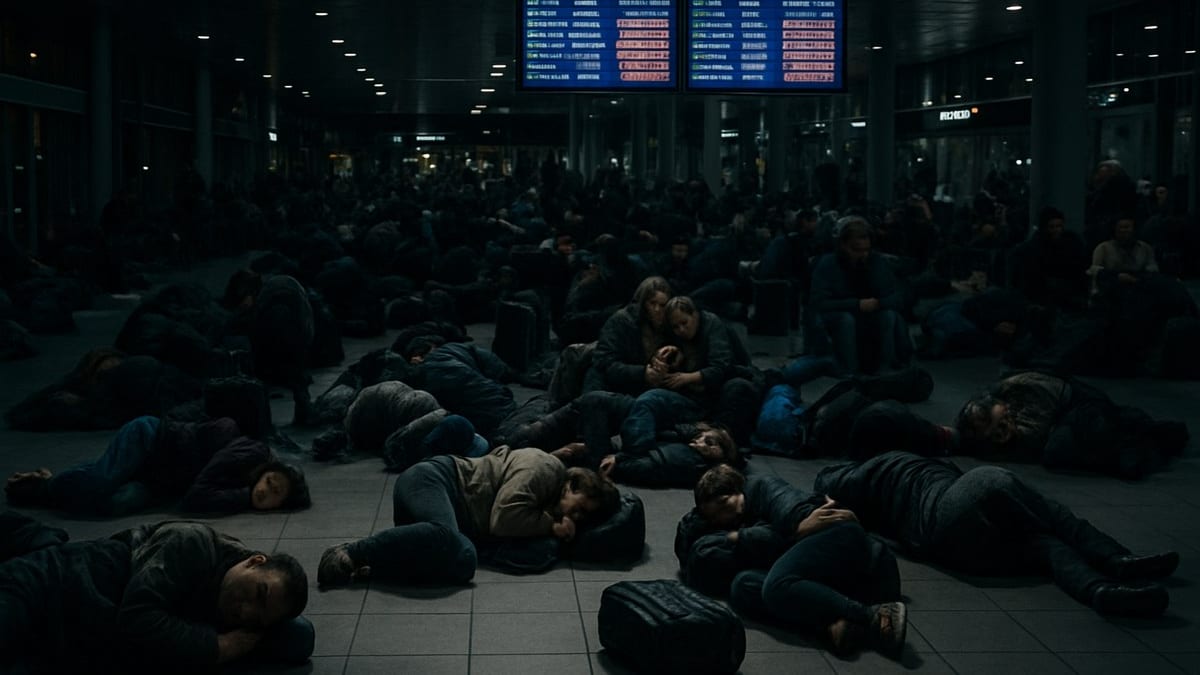
Hundreds of passengers were left stranded at Nairobi’s Jomo Kenyatta International Airport in early May 2026 after a sudden pilot strike forced the cancellation and delay of numerous flights, disrupting one of East Africa’s busiest aviation hubs at the start of the peak travel season.
Get the latest news straight to your inbox!
Flights Canceled as Industrial Action Hits Key Regional Hub
The walkout by pilots affected several carriers operating from Jomo Kenyatta International Airport, with particular disruption reported on regional and domestic routes that connect Nairobi to key business and tourism destinations across East Africa. Publicly available information shows that airlines issued advisories warning of extended delays and last minute cancellations as operations were scaled back.
Early reports indicated that flight schedules were heavily thinned, with aircraft grounded on aprons and departure boards at the airport showing clusters of canceled services. Some carriers sought to consolidate itineraries by combining lightly booked flights, while others opted to suspend certain rotations entirely while the industrial action remained active.
Travel industry analysts noted that the timing of the strike, coming on the heels of earlier weather and infrastructure related disruptions at JKIA in 2026, compounded the operational strain facing Kenya’s main gateway. The reduced schedule also created knock on effects across connecting networks, as passengers traveling onward to other African, Middle Eastern, and European destinations struggled to secure alternative options.
Airport operations teams activated contingency measures to keep essential functions running, including maintaining security screening, baggage handling, and basic passenger services. However, the sharp reduction in available flight crew meant that even with infrastructure in place, aircraft could not depart as planned.
Passengers Face Long Queues, Missed Connections, and Extra Costs
The most visible impact of the strike was in the terminal buildings, where travelers queued for hours at check in counters and customer service desks in search of information and rebooking options. According to published coverage from regional outlets, families, business travelers, and tourists alike were seen resting on luggage trolleys and terminal floors as they waited for updates on their flights.
Many passengers with onward connections through regional and international hubs reported missed links and the need to rebook entire itineraries. In some cases, travelers sought seats on rival carriers operating limited services out of JKIA, pushing up demand for the few departures that went ahead and leaving last minute fares significantly higher than usual.
Travel insurance providers and consumer advocates in the region highlighted the likelihood of additional out of pocket expenses, including hotel stays, meals, and ground transport, especially for travelers who were not immediately reprotected by their airlines. Some passengers opted to leave the airport and wait in Nairobi until more clarity emerged on when regular flying would resume.
The disruption also raised questions about the consistency of passenger care obligations, as provisions varied by carrier and by whether the strike was classified as an internal labor dispute or an external operational issue. Travelers were encouraged by publicly available guidance to keep all receipts for unexpected expenses in case they became eligible for reimbursement.
Labor Dispute Highlights Ongoing Tensions in Kenya’s Aviation Sector
The pilot strike at JKIA added a new chapter to a series of labor related disputes that have affected Kenya’s aviation sector in recent years. Earlier in 2026, separate industrial actions by aviation workers and weather related disruptions had already demonstrated the vulnerability of the country’s main airport to operational shocks.
Available reporting suggests that the May 2026 pilot action centered on concerns over working conditions, scheduling, and broader questions about long term strategy for the national carrier and partner airlines operating from Nairobi. Unions representing aviation professionals have repeatedly warned that unresolved structural issues in the sector risk undermining reliability at a time when regional competitors are expanding aggressively.
Industry observers pointed to previous strike notices and negotiations involving aviation workers as a sign of deeper pressures over staffing levels, pay, and the financial health of key operators. While some disputes in earlier months were resolved through last minute agreements, the May stoppage showed that the risk of prolonged disruption remains present when negotiations stall.
The strike also unfolded against the backdrop of heightened expectations for JKIA, which is positioned as a strategic hub for East and Central Africa. As carriers seek to attract transfer traffic and tourism flows, sustained industrial stability is seen as increasingly important to maintain confidence among global travelers and airline partners.
Regional Travel Network Feels Ripple Effects
The grounding of flights from JKIA quickly sent ripples through the wider regional air network. Nairobi serves as a vital connector between secondary cities across East Africa and long haul routes to Europe, the Middle East, and Asia, meaning that any prolonged disruption can cascade far beyond Kenya’s borders.
According to aviation data referenced in regional business coverage, multiple services linking Nairobi with destinations such as Mombasa, Kisumu, Dar es Salaam, Entebbe, and Kigali experienced schedule changes or cancellations. Some passengers arriving on unaffected inbound flights found themselves unable to complete domestic or regional segments, effectively turning Nairobi into an unintended final destination.
Travel advisors reported heightened uncertainty for tour operators relying on tight connections to move visitors to safari destinations and coastal resorts. Changes in flight times created logistical challenges around park transfers, hotel check ins, and prepaid excursion schedules, particularly for travelers on short itineraries.
The disruption also intersected with wider global volatility in aviation, including route adjustments and capacity cuts linked to jet fuel price pressures and labor actions in other regions. For some passengers, the JKIA strike became one of several compounding factors making international journeys more complex during the May 2026 travel period.
Calls Grow for Stronger Contingency Planning and Communication
As the strike continued to affect operations, public commentary in Kenyan and regional media focused increasingly on the need for stronger contingency planning and clearer communication during major disruptions. Frequent travelers to and from Nairobi noted that while labor disputes are not unique to Kenya, the way they are managed can significantly shape passenger perceptions.
Consumer advocates argued in published commentary that airlines and airport stakeholders should provide more timely, transparent updates across digital channels and in terminal announcements when labor actions are imminent or underway. They also emphasized the importance of straightforward guidance on rebooking rules, refund options, and the availability of basic care such as meals and accommodation.
Aviation analysts suggested that more robust crisis playbooks could help mitigate the impact of future disruptions at JKIA, including pre agreed procedures for rerouting traffic through alternative regional gateways, prioritizing essential travel, and coordinating with ground transport providers in Nairobi. Investment in digital tools for real time communication with passengers was also highlighted as a key area for improvement.
For stranded travelers at JKIA in May 2026, however, the immediate priority remained finding a way to reach their destinations. As negotiations between pilot representatives and management continued, the crowded scenes in Nairobi’s terminals underscored how quickly industrial tensions in the cockpit can spill over into long, uncertain waits for passengers on the ground.