


More news on this day
Plans for direct flights between Pokhara and Dubai are gaining momentum, positioning Nepal’s lake city as a new international gateway to the Himalayas and potentially reshaping tourist flows from the Middle East, Europe and beyond.
Get the latest news straight to your inbox!
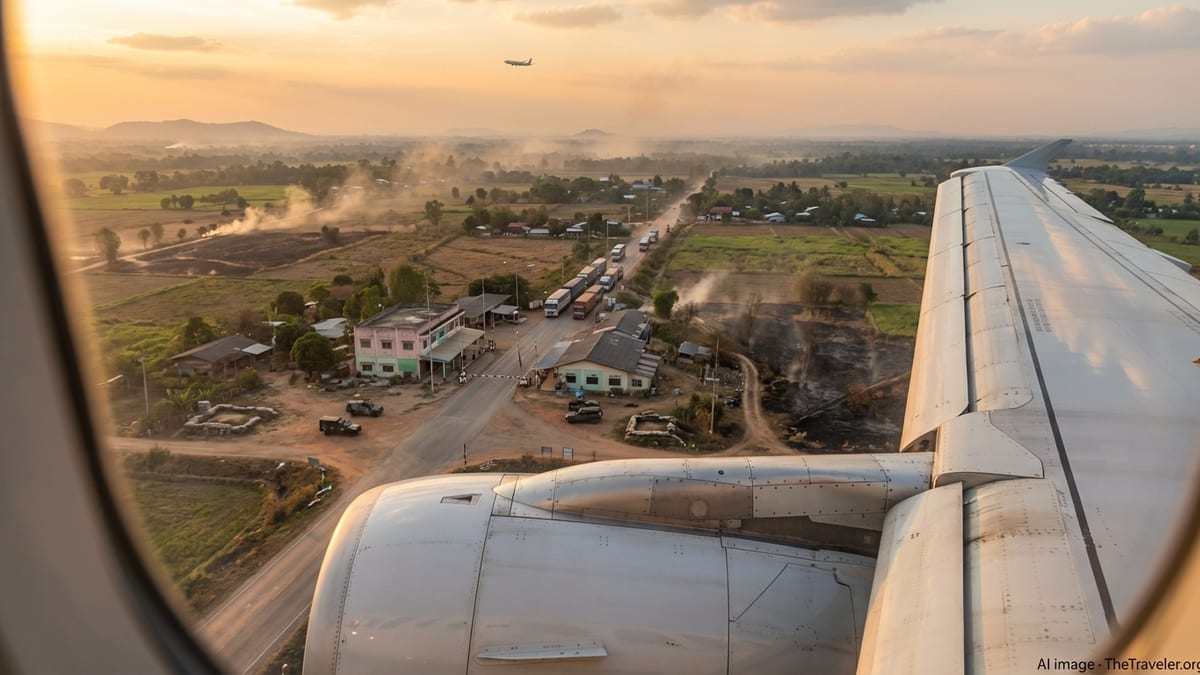
Pokhara’s International Airport Finally Nears Global Role
Pokhara International Airport, which opened in January 2023 as Nepal’s third international gateway, has so far operated largely as a domestic hub despite billions of rupees in investment and years of expectations. Publicly available information shows that only a limited number of charter and special international services have used the facility, while regular scheduled routes have yet to materialize in a meaningful way.
Recent reporting indicates that this picture may be about to change. A technical team from Flydubai, the Dubai-based carrier, has conducted on-site inspections and operational assessments in Pokhara, examining runway performance, terrain, safety margins and commercial viability for a potential Pokhara–Dubai service. Coverage in local aviation and tourism media suggests that the airline is evaluating a daily schedule starting as early as the autumn trekking season, although no final timetable has been formally announced.
The move comes as pressure mounts to unlock the airport’s international potential. Analyses in Nepali business and tourism outlets have frequently highlighted the gap between the airport’s design as a cross-border gateway and its current role serving domestic routes to Kathmandu and a handful of regional cities. A direct Middle East connection is viewed as a critical first step toward justifying the project’s cost and easing congestion at Kathmandu’s Tribhuvan International Airport.
Industry commentary further notes that among potential long-haul partners, carriers based in the Gulf are especially well placed. Dubai is already one of Nepal’s busiest international gateways via Kathmandu, and Flydubai’s single-aisle fleet and experience with challenging regional airports are seen as matching Pokhara’s operating profile.
Faster Access to the Himalayas for Middle East and European Travellers
Travel currently routed through Kathmandu often requires visitors heading to Pokhara and the Annapurna region to connect onto a short but tightly scheduled domestic flight or undertake a lengthy road journey. According to routing data and tourism advisories, most long-haul travellers from Europe and North America reach Nepal via Gulf hubs such as Dubai and Doha, adding an additional layer of connections before they arrive in the country’s main Himalayan gateway city.
A nonstop Pokhara–Dubai route would significantly compress that journey. Travel planners point out that passengers arriving in Dubai from Europe, the Middle East or Africa could connect directly to Pokhara instead of first landing in Kathmandu, immediately positioning them within reach of iconic trekking circuits such as Annapurna, Mardi Himal and Mustang. This shift would make short, high-value trekking holidays more feasible for time-pressed visitors, especially those using weekend-friendly or limited vacation windows.
Observers in the regional travel trade also emphasize the importance of the Gulf’s expatriate communities. Millions of Nepali workers and sizeable South Asian diaspora populations in the United Arab Emirates and neighboring states currently rely on Kathmandu as their primary entry point. A direct link into Pokhara would provide easier access for family visits to western and midwestern Nepal, while also exposing new travellers from the Gulf region to lakeside leisure stays and soft adventure products that are increasingly popular with younger Middle Eastern tourists.
For European markets, Dubai’s role as a mega-connecting hub means a Pokhara service could effectively place the Annapurna region one stop away from dozens of cities. Travel analysts suggest this could dovetail with post-pandemic trends favoring nature-based trips and remote work stays in scenic destinations, offering a smoother end-to-end journey compared with current multi-leg itineraries.
Adventure Tourism and New Route Development Around Pokhara
Pokhara has long been considered Nepal’s adventure capital, serving as the launch point for trekking, paragliding, mountain biking and emerging products such as skydiving and trail running events. Academic research and tourism statistics consistently rank the city among the country’s top destinations by visitor share and tourism revenue, underlining its role as a cornerstone of the national travel economy.
Direct connectivity with Dubai is widely seen as a catalyst for diversifying and upgrading this portfolio. Tourism strategists argue that improved access could support the packaging of short themed itineraries, such as five-day trekking escapes combined with luxury lakeside stays, wellness retreats with yoga and spa offerings, or multi-sport adventure weeks targeting high-spending niche segments.
There is also potential for new route development deeper into the Himalayas. With Pokhara as a strengthened international hub, domestic carriers may find greater incentive to expand services to smaller mountain airstrips serving the Annapurna and Dhaulagiri regions. Industry commentary suggests that reliable inbound flows from the Gulf and Europe could make seasonal or charter-based links to gateways such as Jomsom or Manang more commercially viable, supporting community-based tourism and spreading spending beyond the main city.
At the same time, tourism planners highlight the need for careful capacity management. Concerns have been raised in policy papers and local debates about overtourism risks on popular trails and around Phewa Lake. A Dubai route that rapidly scales arrivals would likely require coordinated investment in waste management, trail maintenance, safety infrastructure and training for guides and porters to ensure that economic gains do not come at the expense of environmental or cultural integrity.
Economic Boost for Western Nepal and Aviation Infrastructure
The potential launch of Pokhara–Dubai flights is being framed by commentators as more than a tourism story. Western and Gandaki provinces expect broader economic benefits from enhanced connectivity, encompassing trade, education and health travel as well as remittance-linked mobility. Economic analyses of air transport in Nepal consistently underline the role of aviation in bridging the country’s difficult terrain and supporting regional development.
Improved international access to Pokhara could stimulate new hotel investments, conference facilities and hospitality training institutes, reinforcing the city’s role as a secondary business and events hub. Local entrepreneurs are watching closely for signs of confirmed schedules, as a direct Gulf connection would lower logistics costs for imported goods, from high-end outdoor equipment to construction materials for tourism infrastructure.
The route would also have implications for Nepal’s aviation system more broadly. Utilization of Pokhara International Airport remains well below its designed capacity, and civil aviation data indicate that Kathmandu continues to shoulder the vast majority of international traffic. A sustained Dubai service could help rebalance flows, reduce pressure on Tribhuvan International Airport and provide a practical test case for other potential international links from Pokhara to destinations such as Qatar, India or Southeast Asia.
However, sector analysts caution that realizing these gains depends on resolving operational issues, including refined air routes in coordination with neighboring countries, clear night-operations protocols, and competitive airport charges. Successful operation of a technically demanding international service from Pokhara would likely shape investor confidence in both the airport and the wider aviation reform agenda.
Balancing Opportunity With Regional Uncertainty
The timing of a new Middle East route also intersects with wider uncertainties in global aviation. Recent tensions and conflict-related disruptions in parts of the region have already affected flight schedules and transit patterns, with some reports noting reduced tourist arrivals in Nepal routed via Gulf hubs during periods of heightened instability. Airlines and regulators are therefore weighing not only commercial demand but also the resilience of new routes to external shocks.
Tourism stakeholders stress that diversified connectivity is part of managing this risk. While Gulf hubs such as Dubai remain critical for Nepal’s long-haul links, complementary growth from Asian markets and direct services from emerging source countries are viewed as important hedges against volatility. In this context, a Pokhara–Dubai connection is being framed as both an opportunity to deepen existing flows and an incentive to further broaden Nepal’s international network beyond a single primary airport.
Travel analysts note that demand indicators for nature-based and adventure travel remain robust despite geopolitical headwinds. Forward-looking assessments suggest that if security conditions and aviation insurance dynamics remain manageable, travellers may simply reconfigure routes rather than abandon Himalayan trips altogether. A direct link into Pokhara could therefore function as a competitive advantage once broader air traffic patterns stabilize.
As Flydubai and Nepali aviation authorities continue their evaluations, the proposed Pokhara–Dubai route has already shifted expectations about what Nepal’s youngest international airport can deliver. Whether the plan results in daily operations or a more modest initial schedule, the prospect alone is prompting fresh thinking about how global travellers reach the Himalayas and how air connectivity can translate into inclusive growth across Nepal’s western regions.