


More news on this day
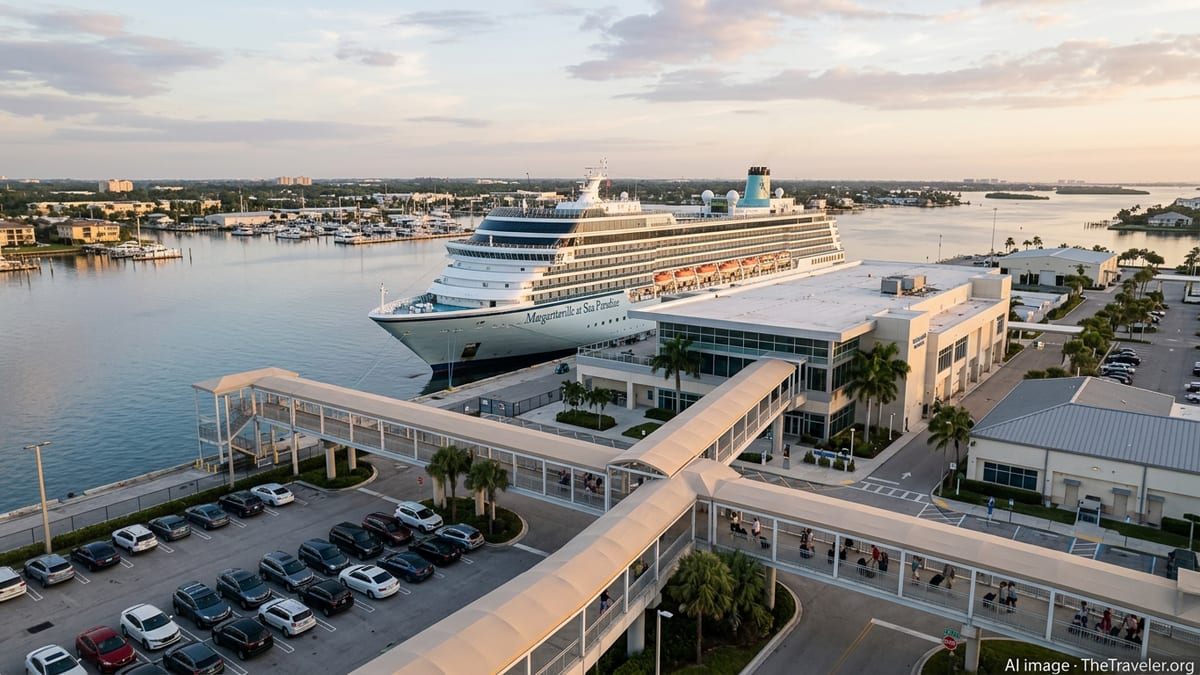
Port Canaveral is moving ahead with a significant expansion and renovation of Cruise Terminal 10, launching a multi-year project that aims to handle larger cruise ships, streamline passenger flow, and support the port’s continued growth as one of the busiest cruise homeports in the world.
Get the latest news straight to your inbox!
New Investment Targets Larger Ships and Higher Volumes
Publicly available budget documents and project summaries show that Cruise Terminal 10, located on the port’s north side near Disney Cruise Line’s primary facility, is now the focus of a substantial modernization program. The work is designed to align the terminal with the new generation of large cruise vessels calling at Port Canaveral and to relieve pressure on nearby facilities already operating at high capacity.
Materials associated with the port’s capital plan and contracting activity describe the Cruise Terminal 10 effort as a combination of landside and terminal improvements, with a particular emphasis on passenger processing areas, circulation, and parking. The goal is to increase throughput while improving comfort and accessibility for embarkation and debarkation days that now regularly see multiple megaships in port.
According to published coverage of recent Canaveral Port Authority board meetings, the terminal upgrade is structured as a multi-stage program rather than a single construction contract. That approach allows the port to phase work around active cruise operations and to refine elements of the design as specific cruise line requirements and ship deployments evolve.
Board Actions and Contract Awards Signal Project Launch
Agenda materials and meeting records made public by the Canaveral Port Authority indicate that the board has authorized significant spending tied directly to Cruise Terminal 10 improvements in 2026. These actions include amendments to an existing purchase order and the establishment of a guaranteed maximum price for a major construction package focused on the terminal.
One agenda item summarized for a June 2026 board meeting references Cruise Terminal 10 improvements with an authorization not to exceed tens of millions of dollars and a revised total purchase order approaching 30 million dollars. The documentation characterizes the work as part of a broader capital program, underscoring the scale of investment now being directed toward the terminal.
Earlier procurement steps, including a competitive process for a construction manager at risk for Cruise Terminal 10 landside improvements, helped set the stage for the current phase. Evaluation and ranking documents posted for that solicitation show that the port moved through a formal shortlist and selection process, signaling that Cruise Terminal 10 had been prioritized in the port’s near-term infrastructure agenda even before final funding approvals.
Landside Upgrades Aim to Ease Traffic and Enhance Passenger Flow
Project descriptions contained in request-for-proposal documents and associated summaries point to a wide-ranging package of landside work at Cruise Terminal 10. Planned elements include reconfigured roadways, revised traffic patterns, expanded curbside drop-off areas, and changes to parking layouts designed to reduce congestion during peak embarkation and debarkation windows.
The landside program is expected to address one of the most persistent challenges at busy cruise terminals: the convergence of private vehicles, shuttles, rideshare services, motorcoaches, and pedestrians in confined spaces. By redesigning access roads and staging areas, Port Canaveral is aiming to improve safety and shorten the time it takes for passengers to move between parking, check-in, and the ship.
Capital planning materials released by the port identify Cruise Terminal 5 and 10 upgrades, portwide parking improvements, and road and utility projects as interconnected priorities. Cruise Terminal 10’s renovation is therefore part of a larger effort to modernize circulation across the north side of the harbor, where multiple cruise brands now operate from closely spaced berths.
Terminal Interior and Berth Enhancements to Support Modern Fleets
In addition to landside work, the Cruise Terminal 10 project encompasses interior terminal upgrades and related waterside improvements intended to accommodate larger and more technically advanced ships. Feasibility and planning reports referenced in procurement files outline needs ranging from expanded seating and waiting areas to upgraded security screening zones and passenger boarding systems.
Supporting documentation indicates that Cruise Terminal 10 is being evaluated for improved mooring arrangements and compatibility with new-generation cruise vessels, some of which carry significantly more passengers than the ships the terminal was originally built to handle. Enhancements to gangway systems, utilities, and baggage handling are also part of the broader conversation around the terminal’s long-term role at the port.
Financial reports from the Canaveral Port Authority list Cruise Terminal 10 improvements among active construction-in-progress items, confirming that funding has been allocated and initial work is underway. The port’s multiyear capital plan anticipates continued spending on cruise terminal upgrades in the coming fiscal periods, suggesting that Cruise Terminal 10 will remain a focal point of investment as ship deployments and passenger numbers continue to rise.
Strategic Role in Port Canaveral’s Cruise Growth
The decision to launch a full-scale expansion and renovation of Cruise Terminal 10 reflects Port Canaveral’s broader strategy to retain its position as a leading global cruise port. Recent years have seen major investments across the complex, including new terminals, parking structures, and roadway improvements that collectively aim to keep pace with industry growth.
Publicly available information on future fleet plans indicates that cruise lines continue to position some of their newest and largest ships at Port Canaveral, attracted by its proximity to Central Florida’s tourism corridor and its well-established air and ground transport links. Enhancing Cruise Terminal 10 gives the port additional flexibility in assigning berths, spreading traffic, and aligning facilities with particular brands and ship classes.
For travelers, the project is expected to translate into a more streamlined and modern experience once construction is complete, though near-term visitors to the port may encounter temporary changes in traffic patterns, parking arrangements, or terminal access as phases of the work move forward. As the cruise industry enters another busy winter and spring season, Cruise Terminal 10’s transformation highlights how ports are investing heavily to match the scale and expectations of today’s cruise market.