


More news on this day
Portugal is emerging as one of Europe’s strongest wellness tourism performers, with new data pointing to rapid growth powered by walkable historic cities, coastal trails and food traditions aligned with healthy, Mediterranean style diets.
Get the latest news straight to your inbox!
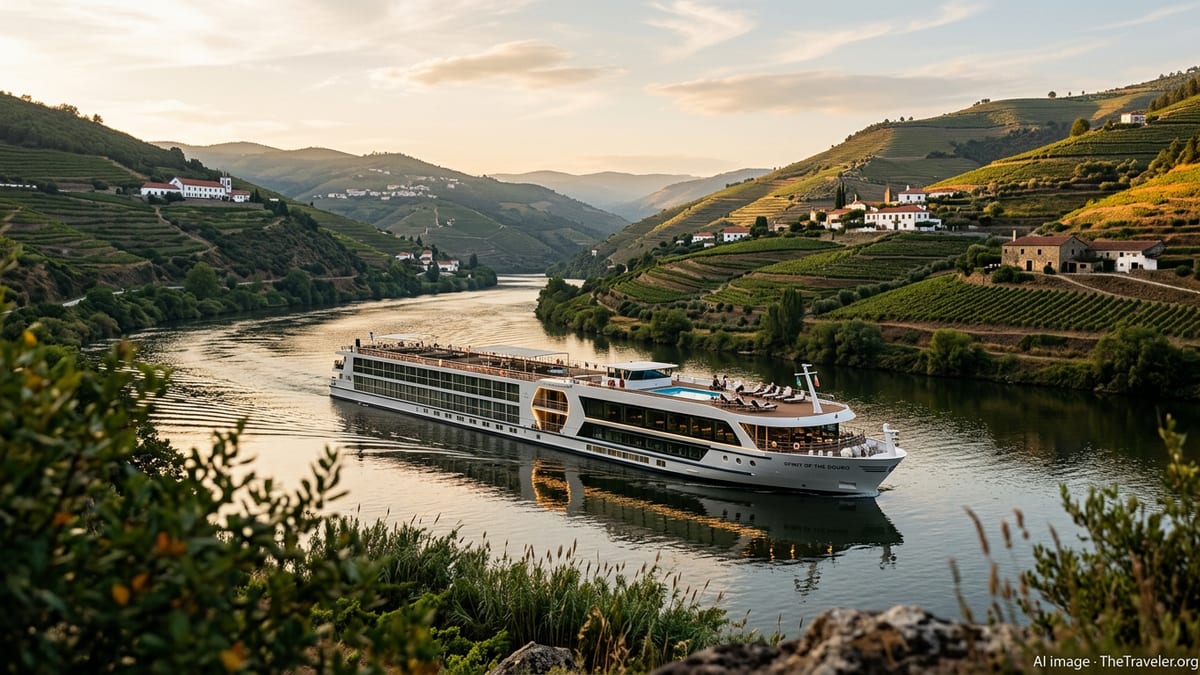
Portugal’s Wellness Economy Outpaces Wider Tourism
Recent research on the global wellness economy highlights Portugal as one of the fastest growing wellness tourism markets in Europe, with spending and visitor numbers rising faster than many traditional sun and city destinations. Sector analysis indicates that wellness related travel, including spa stays, nature based retreats and preventive health programs, has expanded at a notably higher annual rate than conventional tourism over the last several years.
Portugal now ranks among the top 20 wellness tourism markets worldwide by visitor expenditure, according to international wellness industry monitoring. Analysts note that the country’s relatively small population but strong international brand as a safe, scenic and comparatively affordable destination is amplifying the impact of wellness motivated travel on its overall tourism balance.
Growth in wellness tourism is part of a broader expansion of Portugal’s wellness economy, with publicly available figures pointing to double digit annual gains in segments such as wellness real estate and mental well being services. This diversification beyond beach holidays is seen as helping to smooth seasonality, support rural regions and attract visitors with higher average spending who are seeking longer stays oriented around health and lifestyle.
National public health strategies that emphasize physical activity, outdoor living and community based prevention measures are also reinforcing Portugal’s positioning. Policy documents from the country’s health authorities underline plans to promote active mobility, accessible green spaces and healthier eating patterns, indirectly supporting the tourism offer that appeals to wellness focused travelers.
Walkable Cities Become Wellness Assets Across Europe
Portugal’s rise is closely linked to a Europe wide shift in how urban environments are designed and marketed, with walkable cities increasingly promoted as wellness destinations in their own right. International health bodies describe walking and cycling as core tools for preventing noncommunicable diseases and improving mental health, and have encouraged European municipalities to integrate these modes into mainstream transport and urban planning.
Reports from organizations working on transport, health and environment policy in the region point to a growing portfolio of measures that make historic centers and new districts more pedestrian friendly. These include widened pavements, traffic calming in residential streets, car free or low traffic zones in central areas and better integration of walking routes with public transport networks.
Studies on walkability across European cities show that compact urban cores with mixed land use, frequent intersections, accessible green spaces and short distances to daily services record higher levels of physical activity among residents. Such characteristics, long present in many Portuguese and Mediterranean towns, are now being framed as marketable wellness features for visitors who want to explore on foot rather than rely on private vehicles.
Policy briefings from European institutions suggest that integrating walking with public transport can significantly cut private car use while enhancing urban quality of life. For travelers, this combination allows city breaks that double as low impact health retreats, with daily step counts boosted by sightseeing on foot and routine access to parks, waterfront promenades and cultural districts.
Traditional Diets and Coastal Landscapes Attract Health Seekers
Alongside walkable urban form, traditional Mediterranean style diets are a central draw for wellness tourists choosing Portugal, Spain, Italy and Greece. Public health evidence has long linked such eating patterns, rich in vegetables, legumes, whole grains, olive oil and seafood, with lower rates of cardiovascular disease and improved longevity. Tourism boards and private operators have increasingly built itineraries around these culinary traditions, presenting them as both cultural heritage and a practical wellness choice.
In Portugal, food centric travel experiences now frequently emphasize fresh Atlantic fish, seasonal produce and olive oil based cooking, aligning with nutrition guidance referenced in European health promotion strategies. Similar trends are evident in neighboring countries where farm to table experiences, rural food festivals and market tours are positioned as immersive ways to adopt healthier eating habits.
Coastal and rural landscapes further reinforce this wellness proposition. Long distance paths such as Iberian coastal trails, vineyard routes and mountain pilgrimage ways offer structured opportunities for multi day walking holidays that combine physical exertion with scenery, local gastronomy and small scale accommodation. Industry monitoring shows that such nature based wellness trips have been among the strongest performers in the European recovery period.
Environmental agencies in Europe also stress the mental health benefits of access to green and blue spaces, from urban parks to rivers and beaches. Briefings on urban nature note that regular exposure can reduce stress, support social cohesion and encourage physical activity. Destinations that can link city stays with nearby natural areas, as is common in Portugal’s coastal regions and island territories, are seen as well placed to capture wellness demand.
Competition and Collaboration in Europe’s Wellness Tourism Boom
While Asia Pacific has recently overtaken Europe for total wellness tourism trips, new global rankings show European countries retaining a disproportionately large share of worldwide wellness spending. Germany, France, Austria, Italy, Spain, Switzerland and the United Kingdom all sit within the top tier of markets, often combining long established spa and thermal traditions with modern preventive health services.
Portugal’s latest performance is shifting regional dynamics by adding a new southern European competitor whose offer is heavily oriented toward lifestyle, outdoor activity and urban livability. Analysts comment that this has encouraged other mid sized destinations to highlight their own walkable districts, cycling infrastructure and food cultures as wellness assets rather than relying solely on spa facilities or medical tourism.
European level initiatives on healthy cities, active mobility and climate friendly transport are indirectly supporting this trend. Guidance on compact, mixed use development, the 15 minute city concept and people centered public spaces aligns closely with the experiences that wellness travelers now seek, from car light neighborhoods to everyday access to markets, cafes and recreation on foot.
At the same time, reports from European agencies caution that benefits from green and walkable environments are not evenly distributed within cities, with disparities by income and neighborhood. For wellness tourism, this raises questions about how investments triggered by visitor demand can also improve local residents’ access to healthy environments, rather than concentrating in a small number of already privileged historic districts.
Outlook: From Niche Retreats to Mainstream City Breaks
Industry monitoring suggests that global wellness tourism is on track to surpass the one trillion dollar mark, growing significantly faster than overall tourism. In Europe, observers expect wellness elements to become a standard feature of city breaks and coastal holidays rather than a niche market limited to dedicated retreats. Walkable streets, public transport access, urban greenery and healthy food options are increasingly treated as baseline expectations by travelers.
Portugal’s experience illustrates how investments in public health, active mobility and heritage conservation can combine to create a compelling wellness narrative for international visitors. Its climb in global wellness tourism rankings has occurred without major new resort construction, relying instead on incremental improvements in urban quality of life, protection of landscapes and promotion of traditional diets.
Other European destinations are likely to study this model as they seek to differentiate themselves in a competitive market and meet wider climate and health objectives. Reports from health and urban planning organizations argue that designing cities where daily life naturally encourages walking, social connection and nutritious eating can yield long term benefits for residents, while simultaneously providing the authentic, health oriented experiences that visitors increasingly demand.
As wellness tourism matures, analysts expect metrics such as walkability indices, green space access and alignment with healthy diet patterns to feature more prominently in destination rankings and marketing. For Portugal and its Mediterranean neighbors, the convergence of these factors is positioning them at the forefront of Europe’s wellness travel surge.