


More news on this day
A major overhead powerline fault on Queensland’s North Coast rail line has left about 110 passengers stranded for hours on a Bundaberg Tilt Train near Gundiah, highlighting the vulnerability of long-distance services to severe weather and electrical failures.
Get the latest news straight to your inbox!
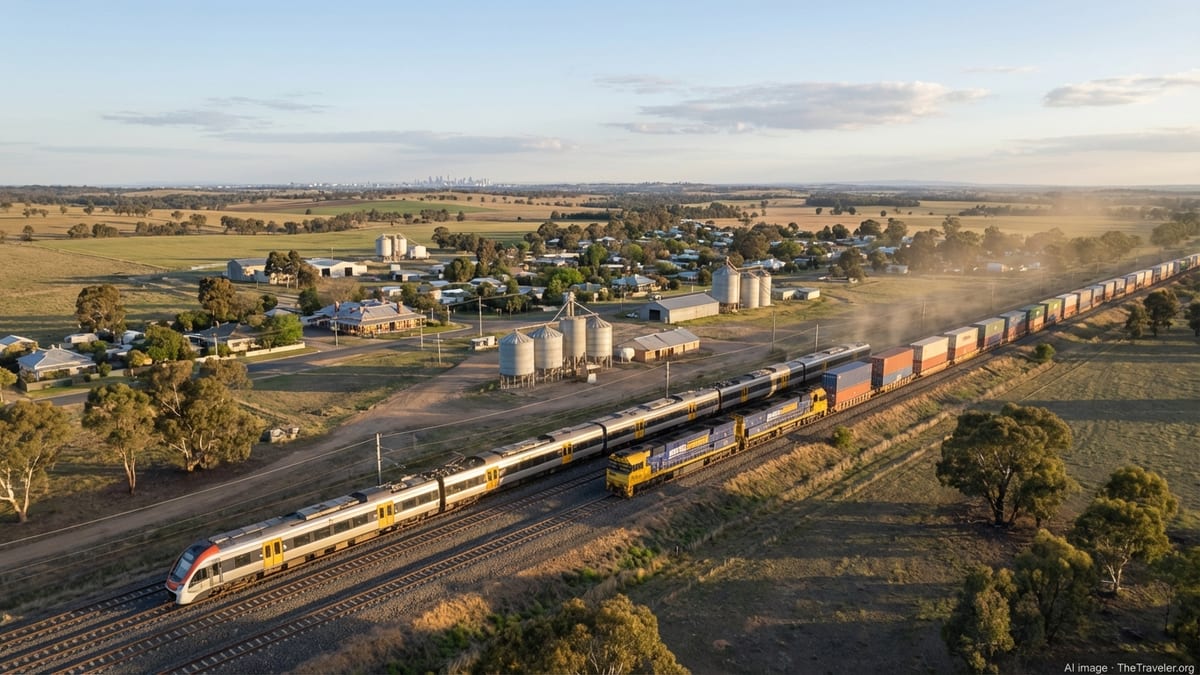
Late-night breakdown on the North Coast line
The incident occurred shortly after midnight near Gundiah, south of Maryborough, on a northbound Queensland Rail Tilt Train travelling from Brisbane to Bundaberg. Published coverage indicates that fallen or damaged overhead powerlines cut electricity to the train, bringing it to an abrupt halt on the Fraser Coast section of the North Coast line.
Reports describe passengers sitting in darkened carriages without air conditioning as the electrical fault left parts of the train without power. Some accounts refer to “sparks” and a sudden stop, consistent with a significant interruption to the 25 kV overhead supply that powers the tilt train services on this corridor.
Initial assessments linked the failure to storm activity in the region, with strong winds and lightning believed to have brought down sections of overhead wiring. Publicly available information from local news briefings notes that more than 500 metres of overhead line equipment on the route required repair following the event.
Passengers endure six hours without air conditioning or food
According to multiple news reports, more than 100 passengers were kept on board for around six hours before they were able to leave the stranded train. Estimates consistently place the number of people affected at about 110, including families, holidaymakers and regional travellers heading to destinations such as Bundaberg and Hervey Bay.
During that time, only bottled water was distributed, and there was no catering service available. Passengers reported increasingly uncomfortable conditions as the hours passed, with no air conditioning, limited lighting and toilets that became heavily used while the train remained immobile on the line.
Accounts in regional media state that information flows were sporadic, as rail staff on board waited for confirmation from control centres and repair crews about when overhead power could be made safe and when a transfer to buses would be possible. The situation remained effectively locked until the damaged powerlines could be isolated and de-energised.
Around 6 am, once electrical safety checks were completed, the passengers were able to disembark and walk to road vehicles positioned on nearby access points to continue their journeys by bus. Travellers ultimately arrived at their destinations many hours behind schedule after an overnight ordeal that turned a routine intercity trip into a lengthy disruption.
Replacement buses and continuing disruption for travelers
The powerline failure did not affect only the single tilt train. Publicly available information from Queensland regional news briefings and national outlets indicates that long-distance passenger services and some freight movements on the North Coast line were disrupted north of Gympie following the fault.
Buses were arranged to carry passengers on affected Queensland Rail services, including the Bundaberg Tilt Train, Rockhampton Tilt Train and the Spirit of Queensland, around the closed section of track. This meant additional transfers for travelers, longer journey times and timetable changes while repair work continued.
For visitors and residents relying on rail to reach regional centers along the coast, the disruption added uncertainty to travel plans across at least two days. Notices issued through public channels outlined that the track section through Gundiah would remain closed while crews worked on repairs, and that replacement coaches would continue to operate in lieu of some scheduled trains.
Some freight services were able to resume cautiously once parts of the infrastructure were declared safe, but full normal operations on the electrified corridor depended on restoring the damaged overhead line equipment and verifying that all affected spans met safety standards.
Extensive repairs to overhead infrastructure
According to regional radio briefings and rail updates referenced in news coverage, Queensland Rail crews have been working around the clock since the incident to repair more than 500 metres of damaged overhead powerline infrastructure near Gundiah. This includes replacing or re-tensioning catenary wires, contact wires and support fittings that deliver high-voltage power to electric trains on the corridor.
The work requires specialised equipment and can only proceed once the affected sections are isolated and earthed to ensure worker safety. Given the extent of the storm-related damage and the rural location, the repairs have taken place over several days, with the North Coast line scheduled for periodic closures to allow engineering teams full access.
Publicly available information notes that Queensland Rail is investigating the precise cause of the fault, including how storm conditions interacted with the overhead systems and whether any pre-existing vulnerabilities contributed to the scale of the failure. Such investigations typically review maintenance records, recent inspections and weather data to identify any changes that could reduce the likelihood or impact of similar incidents.
While the rail operator has expressed regret for the disruption through statements reported by Australian media, the focus in the days after the breakdown has remained on restoring regular services and clearing a backlog of affected passengers and freight movements along one of Queensland’s most important regional rail corridors.
What this means for future rail travelers in Queensland
The incident near Gundiah highlights the exposure of long-distance electric trains in Queensland to severe weather and powerline faults, particularly on regional stretches of track where alternative routes and evacuation options are limited. Travelers on the North Coast line between Brisbane and destinations such as Bundaberg, Rockhampton and Cairns rely heavily on Tilt Train and long-distance services, making any prolonged outage widely felt.
For visitors planning journeys over the coming days, published advisories indicate that some Tilt Train services are being replaced in whole or in part by buses while work on the overhead line continues. Prospective passengers are being urged, through publicly available channels, to check the latest service information on the day of travel and to allow extra time for connecting flights, tours or accommodation check-ins.
The event has also renewed discussion among passengers and commentators about on-board communications and contingency arrangements when trains are immobilised for long periods. Suggestions circulating in public forums and media coverage include clearer real-time updates, better access to basic supplies during extended stoppages and additional backup systems for lighting and ventilation when primary power is lost.
For now, the Gundiah powerline fault stands as a reminder that even well-used intercity routes can be disrupted suddenly by storms and infrastructure damage. Rail travelers heading through Queensland’s coastal regions in the near term may want to monitor conditions closely and build flexibility into their itineraries while the network continues to recover.