


More news on this day
Diwali holiday travel through Ahmedabad has descended into turmoil as a string of cancellations and lengthy delays at Sardar Vallabhbhai Patel International Airport left passengers stranded, disrupted international connections and forced many families to abandon carefully planned festival trips.
Get the latest news straight to your inbox!
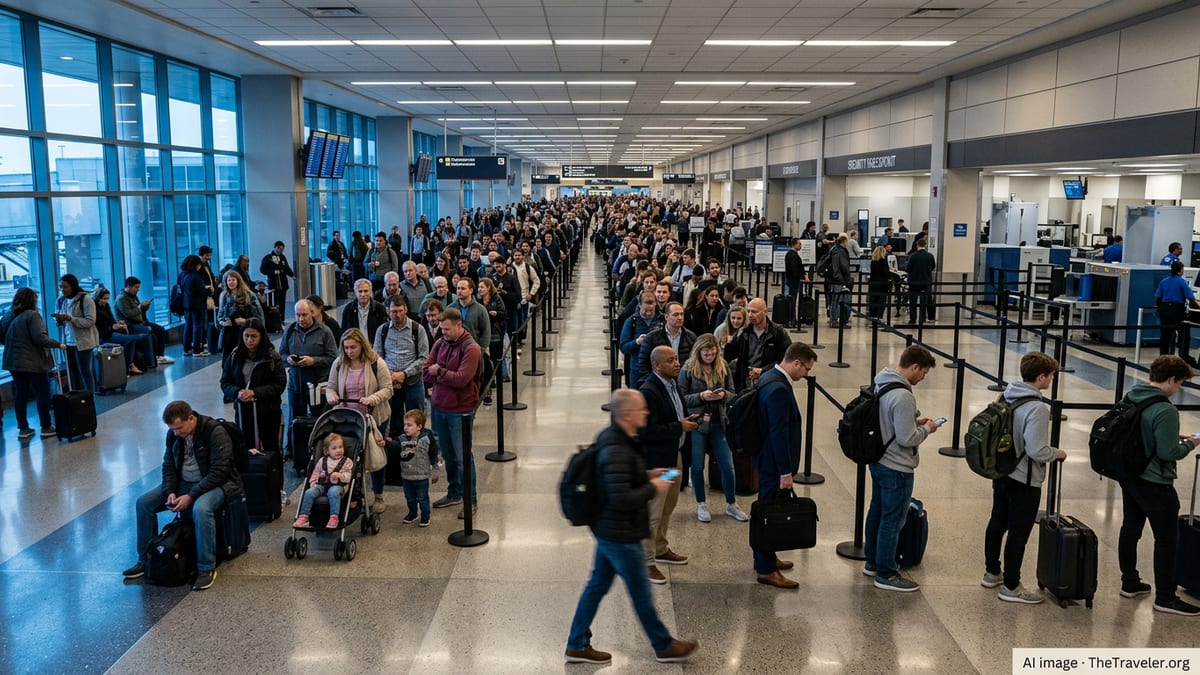
Festive rush collides with mounting flight disruptions
The disruption comes during one of the busiest weeks of the year for the airport, which serves the Ahmedabad metropolitan region as well as much of central and northern Gujarat. Published coverage indicates that daily footfall at Sardar Vallabhbhai Patel International climbed from around 36,000 passengers to roughly 42,000 to 44,000 during the Diwali period, concentrating pressure on airlines and ground services just as schedules began to unravel.
Reports from local outlets describe at least 18 domestic and international flights delayed or cancelled over the weekend of 7 and 8 November, affecting travelers heading both to family homes within India and to overseas holiday destinations. Cancellations have since continued in the days following the 8 November Diwali holiday, extending the disruption deeper into what would normally be a busy but predictable return travel window.
Airport advisories issued in advance of the festival had already urged passengers to arrive early because of traffic congestion on approach roads and anticipated crowds at check in and security. As airlines scrubbed departures with little warning, that advice offered limited comfort to travelers who had already cleared formalities and then discovered that their flights would not depart.
SpiceJet cancellations at the center of passenger anger
Low cost carrier SpiceJet has emerged as a focal point of the current disruption. Published local coverage highlights a pattern of last minute cancellations and extended delays on several SpiceJet routes from Ahmedabad since 7 November, including flights to Bagdogra, Srinagar and Dubai, with passengers reporting hours of uncertainty inside the terminal.
On 7 November, multiple SpiceJet services from Ahmedabad were cancelled or heavily delayed, leaving holidaymakers bound for eastern and northern India searching for alternatives at the start of the Diwali break. Reports indicate that some travelers who had completed check in and handed over luggage only learned of cancellations after repeated schedule revisions on airport displays.
The problems deepened this week on international routes. On 13 November, local media reported that the SpiceJet flight from Ahmedabad to Dubai was cancelled amid a payment-related dispute affecting the airline’s operations at Dubai. The move stranded passengers in both directions, with Gujarat residents unable to start their Dubai holidays and Dubai based workers attempting to return after Diwali break left without a confirmed way back to their jobs.
In several accounts, passengers described being advised to submit email complaints when they requested on the spot assistance or rebooking at Ahmedabad. The lack of clear information about rescheduling options or compensation has intensified criticism of the carrier’s handling of the crisis, especially given ongoing reports of disruptions on its network from other Indian cities.
IndiGo and other carriers add to a cascade of last minute changes
While SpiceJet’s network issues have drawn the most attention, it is not the only airline contributing to the chaos. On Thursday, coverage from Ahmedabad highlighted passengers protesting at the terminal after IndiGo cancelled two domestic services at short notice, including a flight to Nashik scheduled to depart mid afternoon.
Travelers booked on the Nashik service reported that they had completed boarding procedures and checked in luggage, only to be informed around an hour before departure that the flight would not operate. With many connections arranged by rail and road from downline airports, the timing left little room to find alternatives, particularly during a period when most remaining seats on other carriers had already been sold at peak season fares.
Operational statistics for the first ten days of November compiled from publicly available tracking data show that around 2 percent of departures from Ahmedabad were cancelled, with average delays in the 20 to 25 minute range. Behind that headline figure, however, a handful of high profile cancellations and lengthy disruptions on popular festival routes have had an outsized impact on public perception, overshadowing flights that departed on time.
For many passengers, the irregular operations have blurred into a single experience of uncertainty. Reports from consumer rights platforms and travel assistance services describe a surge in inquiries from Ahmedabad based travelers seeking documentation of delays, proof of cancellation and guidance on whether they qualify for refunds or alternative routing under Indian civil aviation rules.
Airport capacity, airline finances and the Diwali squeeze
The turbulence at Ahmedabad has renewed debate over whether the airport’s current infrastructure and airline operating models can keep pace with rising demand during festival peaks. Sardar Vallabhbhai Patel International functions as both a domestic hub and a gateway for services to the Gulf, Southeast Asia and, more recently, new routes such as planned links to Vietnam. Diwali coincides with heavy labor and family travel on Gulf routes, compressing traffic into a short period.
Industry analyses published over the past year have noted mounting financial and operational stress at several Indian low cost carriers, including those prominent at Ahmedabad. Factors cited include elevated jet fuel prices, currency pressures on leasing costs, and legacy debts. When combined with dense holiday scheduling and tight aircraft utilization, the margin for handling technical snags, payment disputes or crew availability issues narrows considerably.
At the same time, Ahmedabad residents have raised broader concerns about surface access and terminal congestion. Local commentary describes crowded approach roads during peak hours, queues at security and limited seating in departure lounges even under normal conditions. When delays cascade, passengers can spend much of the day inside already stretched facilities, heightening frustration and the sense of disorder.
Airport documentation shared publicly by the operator outlines procedures for airlines to update the central departure control system promptly when disruptions occur, so that airport stakeholders can respond in a coordinated way. The volume of recent last minute cancellations has tested how effectively those procedures translate into timely information reaching passengers in the terminal.
What stranded passengers can realistically do next
For travelers still caught up in the disruption, passenger rights frameworks offer some avenues for recourse, although outcomes vary by circumstance. India’s Civil Aviation Requirements on flight cancellations and delays specify conditions under which airlines must provide refunds, alternatives or specified forms of assistance at the airport. Consumer advocates emphasize the importance of keeping boarding passes, booking confirmations, baggage tags and any written communication from airlines as evidence.
Specialist air passenger rights firms tracking the situation in Ahmedabad advise affected travelers to first seek written confirmation of the reason for disruption and then request rebooking on the earliest available service on the same route. Where that is not possible, some passengers may be able to claim refunds or support in arranging onward travel, particularly if cancellations are not attributed to extraordinary circumstances such as airport closure or severe weather.
For upcoming departures from Ahmedabad during the remaining festival and year end travel period, several practical steps may help reduce risk, even if they cannot eliminate it. Travelers are being urged in public advisories to monitor flight status frequently on the day of travel, build additional buffer time around important onward connections and consider flexible or refundable booking options where budgets allow.
Despite the current turbulence, the majority of scheduled flights at Ahmedabad continue to operate. But for the hundreds of passengers who saw long planned Diwali reunions, weddings and overseas holidays collapse at the terminal gate this week, the experience has underscored how quickly a busy modern airport can grind to a halt when tight festive schedules intersect with airline fragility.