


More news on this day
Thousands of travellers across Australia have been caught in a wave of cancellations and severe delays on Qantas and Jetstar services, as a fresh bout of operational and technical disruption ripples through the country’s major airports and key trans-Tasman routes.
Get the latest news straight to your inbox!
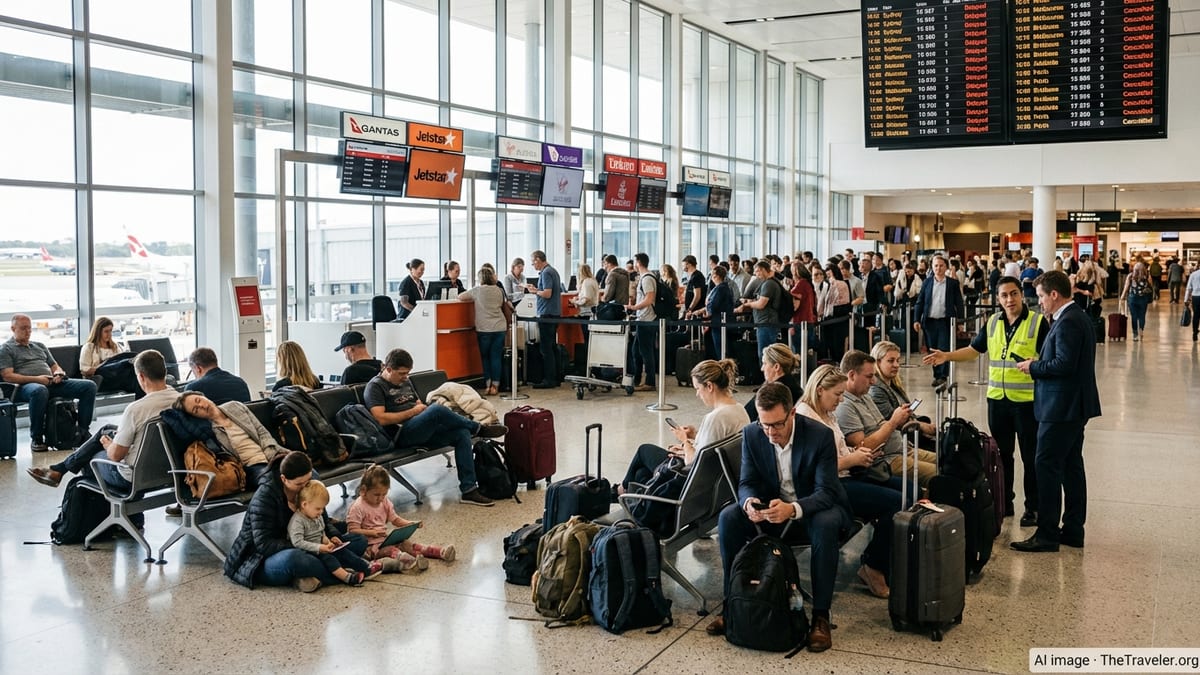
Fresh Wave of Disruptions Hits Domestic and Trans-Tasman Networks
Published aviation data and industry monitoring on June 12, 2026 indicate a sharp spike in cancelled and heavily delayed services across Qantas and Jetstar’s domestic and short-haul international networks. A detailed analysis by travel outlet Nomad Lawyer of FlightAware data points to peaks of more than 50 cancellations and several hundred delays in the Australia and New Zealand region within a 24-hour window, with Qantas, Jetstar and Air New Zealand among the most affected carriers.
The latest disruption follows a turbulent fortnight for Australian aviation. Between May 31 and June 1, independent tracking cited 11 cancellations and more than 300 "severe" delays across multiple airlines, with Jetstar and Qantas among those experiencing the highest levels of schedule interruption. Melbourne Tullamarine, Brisbane, Perth and Adelaide all recorded significant knock-on delays, illustrating how fragile peak-hour operations have become when any part of the system falters.
Although weather and air traffic control constraints remain recurring issues, recent incidents have increasingly been linked to internal operational challenges such as crew availability, maintenance bottlenecks and technology problems. Travellers have reported prolonged queues, short-notice cancellations and last-minute aircraft swaps that cascade across already crowded schedules.
Airports Across the Country Buckle Under Cancellations and Delays
Major hubs including Sydney, Melbourne and Brisbane have borne the brunt of the current meltdown, with disruption spreading quickly through secondary cities such as Adelaide and Perth. At Adelaide International Airport on June 11, 2026, publicly available flight data showed multiple Qantas and QantasLink cancellations combined with rolling delays, significantly curtailing connectivity for regional passengers reliant on limited daily services.
In Melbourne, data compiled over the first days of June highlighted more than 100 delayed movements and several cancellations in a single 24-hour period, many affecting Jetstar and Qantas-operated services. Because both airlines maintain substantial bases at Melbourne Tullamarine, any localised disruption can ripple through the network, affecting flights to Sydney, Brisbane, Adelaide, Perth and popular leisure destinations.
On the trans-Tasman corridor, cancellations and long delays between Australian cities and New Zealand have added an international dimension to the chaos. Monitoring of services between Sydney and Auckland, as well as other trans-Tasman routes, shows a pattern of last-minute schedule changes that complicate onward travel plans for both business and leisure travellers.
Operational Fault Lines: IT Glitches, Crew Shortages and Weather Pressures
While there is no single confirmed cause for the latest cluster of disruptions, recent patterns point to a combination of IT vulnerabilities, crew resourcing strain and seasonal weather pressures. Earlier this year Jetstar publicly acknowledged a domestic system outage that disrupted a wave of morning departures, prompting the airline to introduce a backup IT platform for airport operations. The current disruption has revived questions about the robustness of technology that underpins high-frequency domestic flying.
Industry reporting and passenger accounts also suggest that crew scheduling remains under intense pressure, particularly as airlines attempt to rebuild capacity while managing sick leave and training requirements on new aircraft types. When staff shortages coincide with weather-related air traffic restrictions at key hubs such as Sydney, even minor timetable adjustments can prompt rolling delays across Qantas and Jetstar fleets.
Recent weather systems affecting Australia’s east coast, including strong winds and heavy rain events, have periodically slowed operations at Sydney and Brisbane. When runway configurations are constrained or arrival rates reduced, airlines face difficult choices between maintaining on-time performance and cancelling or consolidating flights. The current wave of cancellations suggests that operational resilience is still being tested despite the sector’s broader recovery in demand.
Passenger Fallout: Long Queues, Missed Connections and Mounting Frustration
The most visible impact of the meltdown has been on passengers stranded in terminals or forced into expensive, last-minute rebooking decisions. Travellers have taken to social media platforms and online forums to describe long check-in and customer-service queues, limited proactive communication and difficulties securing timely assistance when flights are cancelled or delayed at short notice.
Some customers report seeing flights appear as confirmed within airline apps, only to discover at the airport that services had been cancelled or rescheduled, leaving them out of pocket for accommodation and alternative travel. Others describe being shifted from one disrupted service to another, or being rebooked onto later Qantas flights when Jetstar services were unable to operate as planned.
For regional communities and leisure travellers relying on infrequent services, a single cancellation can translate into an additional day or more away from home or work. At airports like Adelaide, where connectivity to remote destinations often depends on just one or two daily flights, even a small cluster of cancellations can have outsized effects on medical appointments, business trips and family travel.
Growing Scrutiny on Reliability and Consumer Protections
The fresh wave of flight chaos arrives amid intensifying scrutiny of airline reliability and consumer protections in Australia. Competition and consumer agencies have recently highlighted higher rates of cancellations for some major carriers compared with rivals, prompting debate about whether existing compensation rules and refund obligations sufficiently protect travellers from repeated disruptions.
Public discussion around potential reforms has drawn particular attention to low-cost operations such as Jetstar, which occupy a critical role in providing budget travel options while also drawing criticism over customer service and disruption handling. Some industry commentary suggests that stronger compensation and rebooking requirements could force carriers to invest more heavily in operational resilience, while others argue that additional regulation could increase fares or undermine low-cost business models.
For now, travellers facing imminent trips on Qantas and Jetstar are being urged in public advisories and media coverage to monitor flight status frequently, build additional buffer time into connections and keep receipts for any out-of-pocket expenses related to cancellations or significant delays. As airlines work to stabilise schedules in the days ahead, the latest meltdown is likely to fuel ongoing debate about how Australia’s aviation sector balances affordability, reliability and passenger rights in an increasingly volatile operating environment.