


More news on this day
Passengers using London Gatwick on Thursday, July 9, are facing a fresh round of delays and cancellations after an air traffic control radar issue led to limits on the number of flights allowed in and out of the airport.
Get the latest news straight to your inbox!
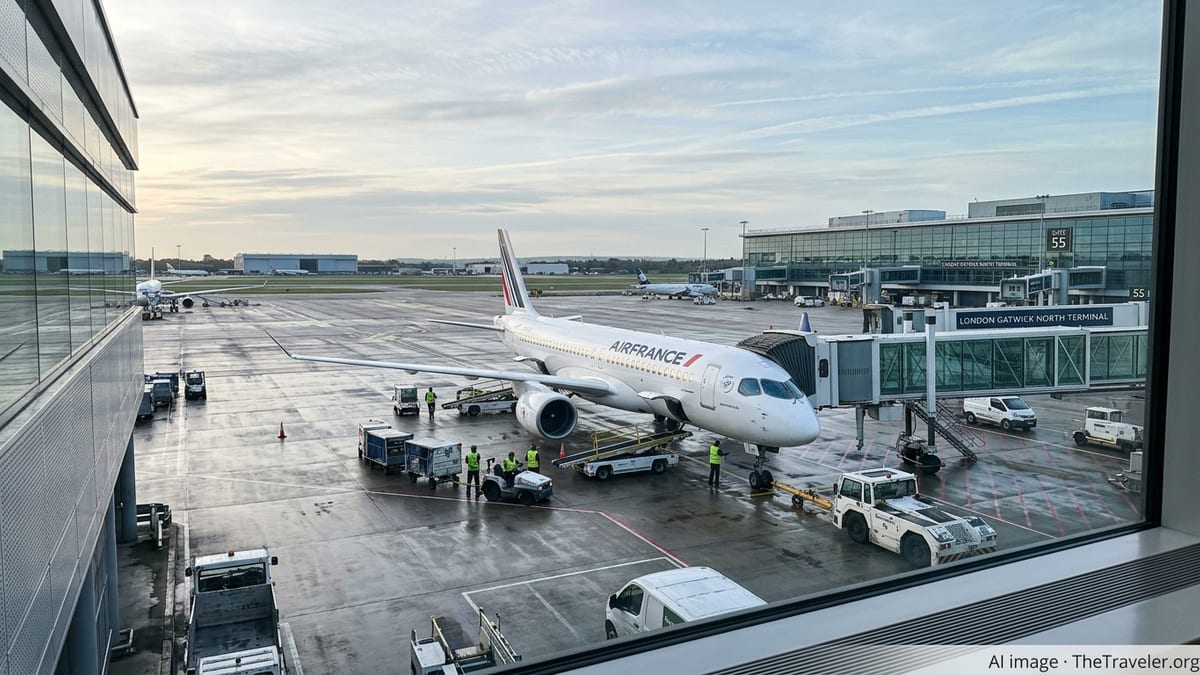
Radar problem constrains flight numbers at Gatwick
Publicly available information shows that an air traffic control radar problem affecting the London area on Thursday has resulted in capacity restrictions at both Gatwick and Heathrow. Reports indicate that the UK’s air traffic control provider has limited the volume of flights that can use the affected airspace while the technical issue is investigated.
According to media coverage, Gatwick has stated that flights are continuing to arrive and depart, but with a controlled flow of traffic to maintain safe separation. That cap on movements is leading to knock-on delays across a range of short and medium haul services, as well as some long haul departures, particularly at peak morning and early afternoon periods.
Tracking data from live flight information platforms early on Thursday showed services operating but with a noticeable build-up of late-running departures and arrivals compared with a typical day. While only a relatively small number of flights appeared as cancelled in the morning schedules, the number of delayed services was significantly higher than usual.
The issues come after a period of unsettled operations in the London airspace in recent weeks, where thunderstorms and other weather-related restrictions have already put additional pressure on schedules at Gatwick and other major airports.
Delays and cancellations in Thursday’s schedule
Gatwick’s own flight information pages for Thursday list the majority of services as operating, but a growing proportion of departures and arrivals are marked as delayed. Some short haul flights, particularly on leisure routes around the Mediterranean and to Eastern Europe, show revised departure times of an hour or more beyond their original slots.
Aggregated data from aviation analytics platforms for London Gatwick on July 9 indicate an elevated level of disruption compared with an average weekday at this time of year, with delays concentrated in the late morning and early evening peaks. A smaller number of flights have been cancelled outright, with passengers rebooked to later services where space permits.
As of early afternoon, live departure boards still showed several flights leaving close to schedule, underlining that the airport remains open and functioning. However, the combination of radar-related flow restrictions and residual congestion from the morning has created uneven conditions, where two flights to the same region can experience very different levels of delay depending on their allocated slot.
Arrivals are also feeling the effect of the reduced capacity. Inbound flights from European hubs and holiday destinations are, in many cases, being held on the ground at their departure airports until a landing slot can be assured at Gatwick, which can lengthen overall journey times even when aircraft avoid extended holding patterns over southeast England.
Recent weather disruption amplifies passenger impact
The latest radar issue follows a spell of weather-related disruption across southern England in late June, when intense thunderstorms led to temporary air traffic control restrictions and significant delays at both Heathrow and Gatwick. At that time, hundreds of flights across the two airports were reported as delayed or cancelled as controllers reduced the flow of traffic for safety reasons.
Those recent events have left airlines with tighter margins in their operational planning, and some carriers are still working through aircraft and crew rotations affected by earlier storms. Thursday’s radar-related constraints have therefore landed on an already stretched system, increasing the likelihood that small problems on individual flights turn into missed connections or extended delays for passengers.
Rail links serving Gatwick have also experienced problems in recent weeks. Separate engineering and infrastructure issues on the busy corridor between London and the airport led to reduced frequencies and delays on some days, underlining how multiple transport pressures can combine to make journeys more unpredictable for air travellers, even when their flights operate close to schedule.
While Thursday’s disruption is primarily rooted in air traffic control capacity limits, the broader context of recent weather and infrastructure challenges helps explain why some passengers are encountering longer queues, busier terminals and revised flight times more frequently at the start of the peak summer holiday season.
Advice for travellers flying through Gatwick today
Publicly available guidance from airlines and airport operators in similar situations stresses the importance of checking the latest flight status before setting out for the airport. With the radar issue constraining traffic volumes at Gatwick on Thursday, departure and arrival times may continue to change at short notice as the air traffic control provider adjusts capacity.
Passengers are being encouraged in published advice to allow extra time for their journey to the airport, particularly if they rely on rail connections that may be experiencing separate disruption. Those with tightly timed onward connections, such as cruises or long distance rail services, may need to build in additional contingency where possible.
Consumer information from the UK government and aviation regulators highlights that, under existing passenger rights rules, travellers whose flights are cancelled are generally entitled to a refund or rebooking, while those facing long delays on departing flights may be entitled to assistance at the airport. The exact support available can depend on the length of the delay, the airline involved and the cause of the disruption.
Given the dynamic nature of Thursday’s situation at Gatwick, regular monitoring of official flight information channels throughout the day will be key for travellers seeking to minimise inconvenience and adjust their plans if conditions worsen or the radar issue takes longer than expected to resolve.
Outlook for the rest of the day and early summer getaway
At this stage, reports suggest that the air traffic control radar problem affecting London’s airports on Thursday is being managed within established safety procedures, with no indication that Gatwick will need to suspend operations completely. However, even once the underlying technical issue is resolved, residual delays can continue into the evening as airlines work through backlogs and reposition aircraft.
The disruption comes just as the main school holiday season is beginning for many families in the UK, a period when Gatwick typically handles one of its highest daily volumes of flights. Recent policy statements from the government and airport industry groups have emphasised the importance of maintaining resilience in the system this summer, including through contingency planning for air traffic control constraints and weather-related events.
Historical data from the UK aviation regulator shows that a relatively small proportion of flights at major airports such as Gatwick are cancelled in a typical month, but that even modest increases in disruption can quickly translate into crowded terminals and longer waits at peak times. Thursday’s events provide an early test of those resilience measures as airlines, the airport and the air traffic control provider seek to keep services running within the limits imposed by the radar issue.
For passengers, the picture for the remainder of Thursday points to a day of continued but managed disruption. While most flights are expected to operate, many may do so outside their original schedule, and travellers are likely to face a more stressful experience than they might hope for at the start of a summer trip.