


More news on this day
Rail travelers in parts of England and Wales are being urged to avoid all but essential journeys as a rare red extreme heat warning raises the risk of buckled tracks, widespread delays and serious health impacts across the network.
Get the latest news straight to your inbox!
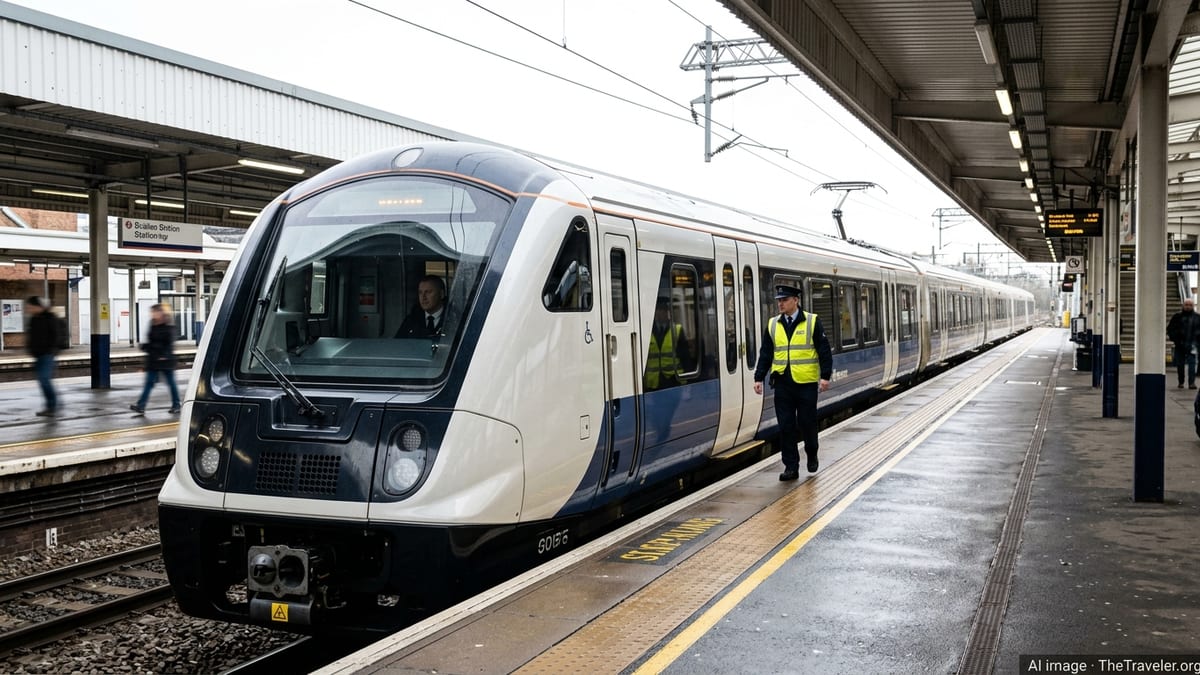
Red Warning Signals Unprecedented Heat Risk
The UK Met Office has issued a red extreme heat warning for central and southern England and parts of Wales, highlighting a high risk to health and critical infrastructure as temperatures are forecast to surge well into the high 30s Celsius. Published coverage indicates that the alert runs from Wednesday morning through late Thursday, covering some of the country’s busiest intercity and commuter corridors.
Reports from British and European media describe the warning as one of the most serious forms of weather alert in the UK, reserved for conditions that could lead to heat illness, increased mortality and major disruption to transport and power networks. The latest heatwave follows a succession of hotter summers in Europe, which climatologists link to long term warming trends.
Network operators have responded by moving to emergency timetables, slowing services and, in some cases, cancelling trains outright. Public information platforms state that routes through the Midlands, London and South Wales are expected to bear the brunt of the disruption as temperatures and rail temperatures peak during afternoon and early evening periods.
The rare red alert places the current episode in the same category as past record breaking UK heatwaves, when rails expanded and distorted, overhead power lines sagged and tarmac on roads softened. Rail managers now warn that similar effects are likely again and that services cannot operate on a normal timetable while safety checks and speed restrictions are in place.
Rail Networks Advise “Essential Travel Only”
Across England and Wales, train operators and rail infrastructure managers are advising passengers to travel only if their journeys are essential. Publicly available information and rider bulletins stress that anyone who must travel should expect slower services, crowding on trains that do run and the possibility of last minute cancellations.
The combination of speed restrictions and fewer trains means journey times will lengthen significantly on many routes. Some operators have warned that passengers might have to stand for long periods on air conditioned but heavily loaded trains, while others caution that short notice changes may cause missed connections and extended waits on exposed platforms.
Passenger advocacy groups and travel industry observers note that the messaging reflects lessons learned from previous extreme weather incidents, when people were left stranded for hours in overheated carriages. Advising travelers to stay home if they can is seen as a way to reduce crowding, lower pressure on staff and leave capacity for those who cannot postpone trips, such as key workers or people attending medical appointments.
Flexible ticket policies are also being introduced in response to the conditions. According to rail industry updates, many advance and off peak tickets are being relaxed so that customers can travel earlier or on alternative days to avoid the worst of the heat, or seek refunds if they decide not to travel at all.
Infrastructure Under Strain as Temperatures Climb
The core concern for rail managers is the impact of extreme heat on steel tracks, electrical equipment and signalling systems. Technical briefings explain that as rail temperatures rise well above the air temperature, steel expands and can cause rails to bow or kink. These subtle distortions can create derailment risks, forcing operators to impose blanket speed limits or close sections of line while inspection teams assess the track.
Overhead power lines and on track electrical components are also vulnerable. High heat can cause wires to sag and increase the likelihood of failures, while lineside equipment may overheat if ventilation is inadequate. In dense urban corridors with older infrastructure, these risks are compounded by the sheer volume of services that normally pass through each day.
While countries that regularly experience very high temperatures have invested in heat resilient rail systems, many parts of northern Europe still rely on older designs optimised for milder climates. Analysts argue that the growing frequency of such heatwaves is exposing structural weaknesses in the network, from track design and ballast to station cooling and power supplies.
In response, infrastructure managers highlight a growing programme of adaptation measures, including different rail stress management techniques, resilience upgrades and new monitoring technology to track rail temperatures in real time. However, most of these changes take years to roll out and cannot eliminate the need for emergency restrictions during the most intense heat.
Europe Wide Heatwave Disrupts Transport
The disruption in Britain is part of a wider pattern across Europe, where temperatures this week are threatening June records in multiple countries. Coverage from France, Belgium and Spain describes red heat alerts, cancelled events and emergency public health measures as governments urge residents to avoid unnecessary outdoor activity.
In Belgium, reports indicate that the national rail operator is suspending some services amid fears that tracks could deform under the forecast heat and that older rolling stock without modern air conditioning is unsuitable for service. Local media note that some of the withdrawn trains are typically used during peak hours, suggesting that rush hour capacity will be constrained.
French regional transport authorities in the Paris area are also warning of targeted cancellations and alterations on commuter lines as the heatwave intensifies. Public communications from transport agencies state that fewer trains and slower running conditions are expected at the hottest times of day, particularly in outer suburban areas where infrastructure is more exposed.
Across southern Europe, meanwhile, road and aviation networks are also under pressure. Reports highlight concerns about softening road surfaces, air quality alerts in major cities and higher energy demand as households and businesses increase air conditioning use, raising the risk of localised power interruptions that could further complicate transport operations.
Guidance for Passengers Who Must Travel
Travel and consumer organisations are advising that anyone who cannot avoid rail journeys during the red warning period should prepare for conditions similar to a major winter storm, even though the hazard is heat rather than snow or ice. That means checking service updates repeatedly before departure, allowing extra time and carrying essentials such as water, light food and any necessary medication.
Health agencies and charities are particularly concerned about older people, those with chronic illnesses and families with young children who may be more vulnerable to heat stress. Public guidance indicates that these groups should avoid crowded, poorly ventilated trains and long waits on platforms where shade is limited. If travel is unavoidable, planning shorter legs with opportunities to cool down indoors may reduce risk.
Passengers are also encouraged to think about journey timing. Advisory notices suggest travelling earlier in the morning where possible, before rail temperatures and on board conditions peak. Evening services may still be affected as tracks release stored heat slowly, so timetables can remain disrupted even after air temperatures begin to fall.
Rail planners emphasise that, during red extreme heat alerts, the usual expectation of a normal timetable does not apply. Travelers are being reminded that disruption may continue beyond the official warning period as engineers inspect infrastructure, deal with any damage and return rolling stock to normal operating patterns.