


More news on this day
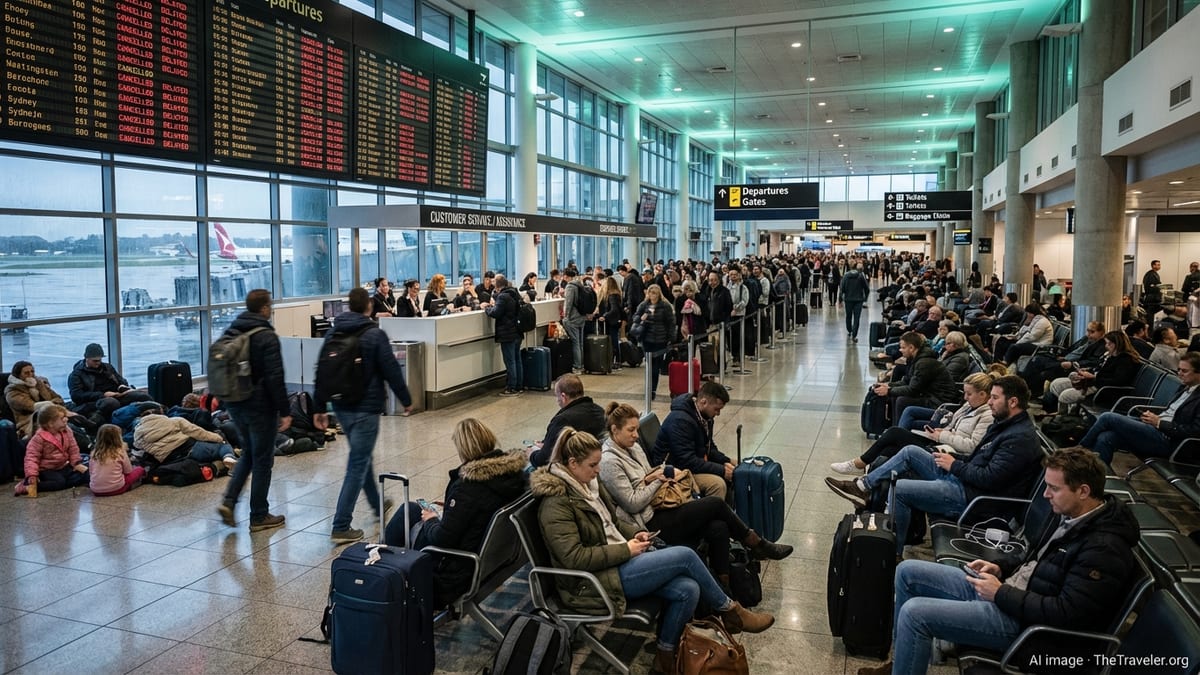
Memorial Week travel through Ronald Reagan Washington National Airport is being disrupted as more than 130 delays and at least four cancellations at the Washington hub ripple across airlines and cities nationwide.
Get the latest news straight to your inbox!
Disruptions Mount Across Major U.S. Carriers
Publicly available tracking data for May 26 indicates that American Airlines, regional affiliate PSA Airlines, Southwest Airlines, Delta Air Lines, JetBlue and United Airlines are all experiencing schedule disruptions at Reagan National. Collectively, the carriers are facing more than 130 delayed departures and arrivals and at least four flight cancellations tied to the Washington area, affecting operations in Washington, Arlington, Alexandria and a wide network of connected cities.
Flight status boards for American and PSA operations show a cluster of late-running regional flights into and out of Reagan National, including short-haul services along the East Coast and into the Midwest. Similar patterns appear in schedules for Southwest, Delta, JetBlue and United, with knock-on delays developing along key trunk routes between Washington and hubs such as Atlanta, Chicago, Boston and New York.
Reagan National functions as a critical node in the U.S. domestic network, and even modest disruptions can cascade quickly. When banks of morning and early afternoon departures depart late, aircraft and crews arrive late to their next assignments, feeding further schedule slippage at airports across the country.
The disruption comes amid elevated spring and early summer travel demand, as travelers take advantage of the Memorial Day period to visit family, attend events or begin early vacations. High load factors on many flights mean there are fewer open seats available for on-the-day rebooking, increasing the impact for stranded passengers.
Weather, Congestion and Capacity Constraints
Operational data and aviation briefings for May 26 point to a combination of factors behind the delays, including convective weather in key air traffic sectors and ongoing capacity constraints in the Washington region. Thunderstorms and low ceilings in parts of the East Coast airspace continue to trigger spacing requirements between aircraft, limiting the rate at which flights can land and depart at already busy facilities.
Reagan National operates within strict runway and airspace limitations because of its location along the Potomac River and proximity to federal airspace. Federal analyses of recent years have highlighted that the airport frequently runs near or at its practical capacity during peak hours, which increases its vulnerability to delay when weather or minor operational issues arise elsewhere in the system.
Traffic flow initiatives such as ground delay programs and en route metering, regularly used by the Federal Aviation Administration during unsettled weather, can further slow operations at Reagan National. While these measures are designed to maintain safety and reduce airborne holding, they tend to concentrate delay on the ground at departure airports and lengthen gate and taxi times for passengers.
Construction and infrastructure work at major airports, including projects identified in recent FAA capacity and construction reports, also continue to limit operating flexibility at some hubs that feed traffic into Washington. When capacity is reduced at those connecting airports, flights into Reagan National may be held or resequenced, adding to the day’s disruption totals.
Impact Felt in Washington, Arlington, Alexandria and Beyond
The disruptions at Reagan National are being felt across the Washington metropolitan area. Travelers originating from or heading to Washington, Arlington and Alexandria are encountering longer than usual lines at check-in and security during peak waves, along with crowded gate areas as departure times shift later into the day.
Because Reagan National primarily serves short and medium haul routes, a large share of affected passengers are on itineraries that connect through other U.S. hubs. Delays on morning and midday departures out of Washington can cause missed connections in cities such as Charlotte, Dallas, Atlanta, Chicago, Boston and New York, stranding travelers far from their intended final destinations.
Reports from passenger forums and publicly shared flight histories show scattered cancellations, including select regional services operated on behalf of American and other mainline carriers. Even when cancellation numbers remain relatively low compared with delays, the loss of individual flights can be particularly disruptive for smaller markets with only a limited number of daily connections to Washington.
Locally, the timing of disruptions during a high-demand travel period compounds stress on ground transportation. Ride-hailing zones, taxi ranks and local transit connections may see surges of travelers attempting to rebook, return home or divert to alternative airports such as Washington Dulles or Baltimore/Washington International when practical.
What Airlines Are Doing for Affected Passengers
According to airline customer service policies and publicly available passenger rights guidance, travelers whose flights are significantly delayed or canceled are generally offered rebooking on the next available service. During systemwide events tied to weather and air traffic flow constraints, many carriers also publish travel advisories that allow same-day or short-window changes without additional fees for affected routes.
In this latest round of disruption, the primary tools available to passengers remain airline mobile apps, websites and airport kiosks, which can often process rebookings more quickly than staffed desks when many flights are impacted at once. Self-service rebooking options allow travelers to switch to later departures, reroute through different hubs or, in some cases, move to nearby airports if space is available.
Passengers facing overnight disruptions, long missed connections or diversions may be eligible for meal vouchers or hotel accommodation depending on the carrier, cause of delay and local regulations. In many cases, however, broadly categorized “weather and air traffic control” delays provide fewer guarantees of compensation than disruptions attributed to airline staffing or mechanical issues.
Travel rights organizations continue to encourage passengers to retain receipts for out-of-pocket expenses and to check airline-specific commitments outlined in carrier customer service plans. Some travelers may also seek assistance through their travel insurance providers or credit card benefits when trips are significantly disrupted.
How Travelers Can Navigate Ongoing Disruptions
With operational challenges persisting into the busy summer season, aviation analysts recommend that travelers build additional flexibility into plans involving Reagan National and other congestion-prone airports. Selecting earlier departures, allowing longer connection times and avoiding tight back-to-back commitments on arrival days can reduce the risk of severe disruption if delays occur.
Checking flight status frequently in the 24 hours leading up to departure remains one of the most effective strategies. Airlines often begin adjusting schedules and rerouting aircraft well before storms reach an airport, and early alerts may provide opportunities to switch to more reliable flights or routing options before they sell out.
Travelers with flexibility may consider comparing schedules among the three major Washington-area airports. While Reagan National offers the most convenient access to central Washington for many, a disruption at one airport does not always fully mirror conditions at Dulles or Baltimore/Washington, especially when specific airspace sectors or runway configurations are affected.
As the Memorial Day travel window continues, further spot disruptions remain possible if storm systems intensify or if traffic management initiatives expand. For now, the more than 130 delays and multiple cancellations at Reagan National are a reminder of how quickly conditions in the U.S. air travel network can deteriorate when weather, capacity and peak demand collide.