


More news on this day
After a 10 day shutdown intended to improve reliability, Red Line service resumed with full operations, only for riders to confront fresh signal related delays and smoke reports that disrupted early commutes.
Get the latest news straight to your inbox!
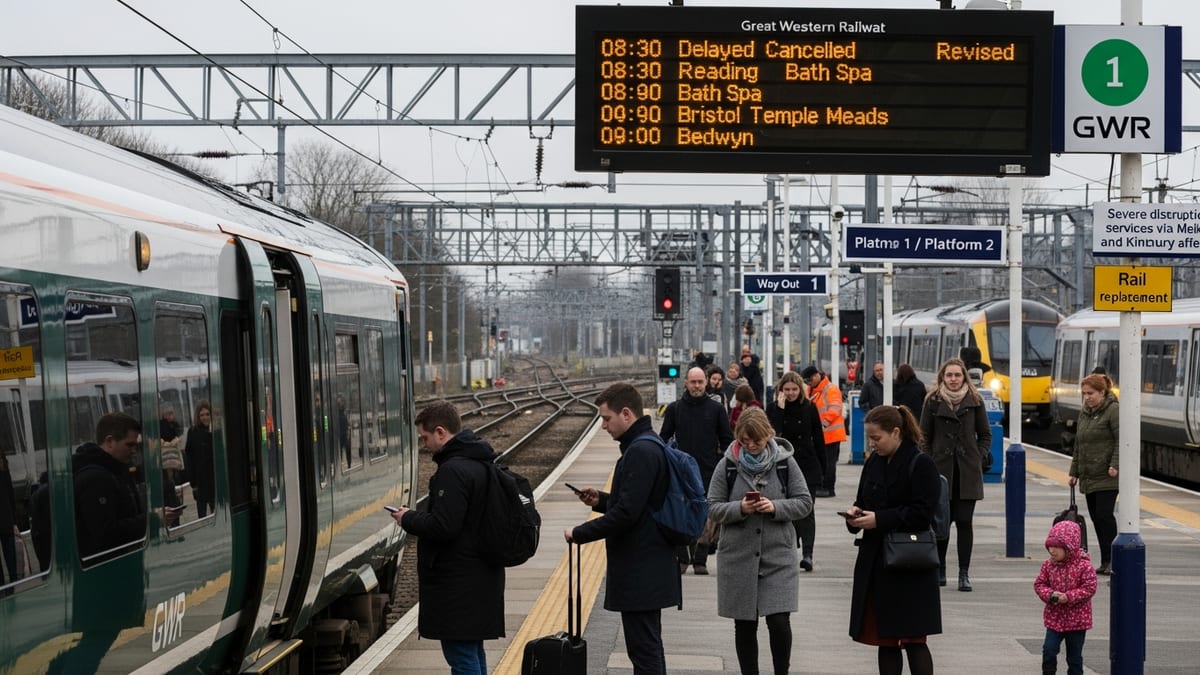
Service Resumes After Intensive 10 Day Closure
The latest Red Line shutdown, which lasted for 10 consecutive days, was planned as an intensive construction window to accelerate long running signal modernization and track work. Publicly available information indicates that crews used the closure to work on signal upgrades, floating slab track replacement and related reliability projects concentrated on one of the system’s busiest corridors.
Transit briefing materials and earlier coverage described the shutdown strategy as a way to compress years of overnight work into a shorter, continuous period. By closing a large portion of the line to regular riders, engineers could access tracks, cable trays and equipment rooms around the clock, reducing the time and cost of moving work trains in and out on a nightly basis.
Agencies that have adopted this approach on other systems, including previous Red Line and Green Line closures, have emphasized that concentrated projects can produce faster trains and more consistent headways in the months that follow. Expectations for this shutdown were similar, with planners highlighting potential gains in travel times once the upgraded signal territory returned to regular service.
For many riders, the 10 day break from direct rail service meant bus shuttles, rerouted trips and longer commutes. Online trip reports during the closure described grueling door to door travel, even as some riders noted that clearly signed shuttle operations moved more predictably than they had anticipated.
First Day Back Brings Signal Problems and Slow Trips
When trains returned to their normal Red Line routing after the 10 day outage, riders anticipated a smoother journey. Instead, early reports across social media and transit focused forums detailed signal related problems almost immediately, including standbys near Harvard and MIT and extended waits between stations.
Some riders described spending 10 minutes or more dwelling at multiple stops on the first full day of restored service, with travel times stretching well beyond pre shutdown levels on sections between Park Street and Alewife. Messages from passengers characterized the experience as a return to familiar Red Line issues, despite the intensive reliability work that had just concluded.
Commentary from transit observers suggested that teething problems are common when complex signal systems are brought back into service after intensive work. New equipment often needs to be tuned under live operating conditions, and minor failures that do not appear in test environments can surface once full passenger service resumes.
However, the timing frustrated riders who had already endured the 10 day disruption for promised improvements. Public posts questioned why signal related delays appeared almost immediately after reliability upgrades and asked whether better contingency planning or staged testing could have reduced the impact on the first day back.
Smoke Reports Add to Rider Concerns
Compounding the signal related slowdowns, riders also reported smoke near tracks in at least one station shortly after service resumed. Social media posts from passengers referenced smoke outside a station area and trains holding while personnel investigated conditions near the right of way.
Similar incidents on other Red Line segments in recent months have involved smoke from track equipment, electrical components or debris, prompting precautionary suspensions between stations while inspections take place. In this instance, passenger accounts indicated that trains were temporarily halted and single tracking or bus bridges were considered while the situation was reviewed.
Although smoke reports do not always signal serious infrastructure damage, they can require immediate response, power checks and the removal of trains from affected segments. For commuters already delayed by signal issues, the added uncertainty about smoke on or near the tracks contributed to perceptions that the Red Line was struggling to stabilize even after the extended construction period.
Transit safety documentation for other recent Red Line smoke events in the region has emphasized that such responses are designed to err on the side of caution. Riders, however, often experience the result as another layer of disruption on a line that has seen repeated shutdowns and unplanned delays.
Modernization Efforts and Ongoing Reliability Questions
The Red Line shutdown was one piece of a broader modernization campaign that includes replacement of aging signals, upgrades to power systems and the introduction of new rolling stock. Planning reports indicate that signal modernization on the Red and Orange Lines remains only partially complete, with legacy hardware and software still in use across key segments.
Officials have previously framed these investments as essential to increasing train speeds, shortening headways and reducing the frequency of unplanned stoppages caused by track circuits, signal failures or train detection problems. In theory, once fully implemented, modern digital signal systems can allow closer train spacing and clearer real time information for both dispatchers and riders.
Yet riders returning after the 10 day closure found that the promised reliability was not immediately evident. Online discussions referenced years of similar projects, including earlier Red Line shutdowns and closures on other lines, and questioned when the cumulative effect would translate into a sustained period of normal operations without major disruptions.
Some transit advocates have pointed out that large, aging subway networks often endure a bumpy transition period, in which necessary state of good repair work temporarily amplifies delays before conditions stabilize. They argue that the success of the Red Line program will ultimately be judged over months, not the first few days of post shutdown service.
Rider Experience and the Road Ahead
For daily commuters, the distinction between long term reliability goals and immediate performance can feel academic. Riders who spent the last 10 days navigating bus shuttles and alternative routes expected a clear improvement when they stepped back onto Red Line trains. Instead, accounts of signal problems, intermittent smoke reports and slow running service have reinforced a perception that closure periods do not always deliver instant benefits.
Some riders responding on public forums reported that travel times later in the day improved compared with the disrupted morning commute, suggesting that operating staff may have been able to address at least some issues as the day progressed. Others noted that their alternate routes, tested during the shutdown, had turned out to be more reliable than their usual Red Line trips, and said they planned to keep using them.
Transit planners and elected officials have said in past public meetings that persistent infrastructure problems on legacy subway lines cannot be resolved with a single project window, no matter how intensive. The current cycle of shutdowns, replacements and testing on the Red Line is expected to continue in phases, overlapping with similar work on parallel lines in the regional network.
In the near term, riders will be watching closely to see whether the days following the reopening bring smoother operations, faster trips and fewer unplanned stoppages. The experience of this 10 day shutdown and its rocky return to service is likely to shape public opinion about future closures, and about how agencies communicate both the goals and the risks of large scale maintenance efforts on critical transit corridors.