


More news on this day
Nearly 150 passengers and crew on the expedition cruise ship MV Hondius remain confined at sea off Cape Verde, after three people died and several others fell ill in a suspected hantavirus outbreak that has turned a South Atlantic voyage into an extended quarantine.
Get the latest news straight to your inbox!
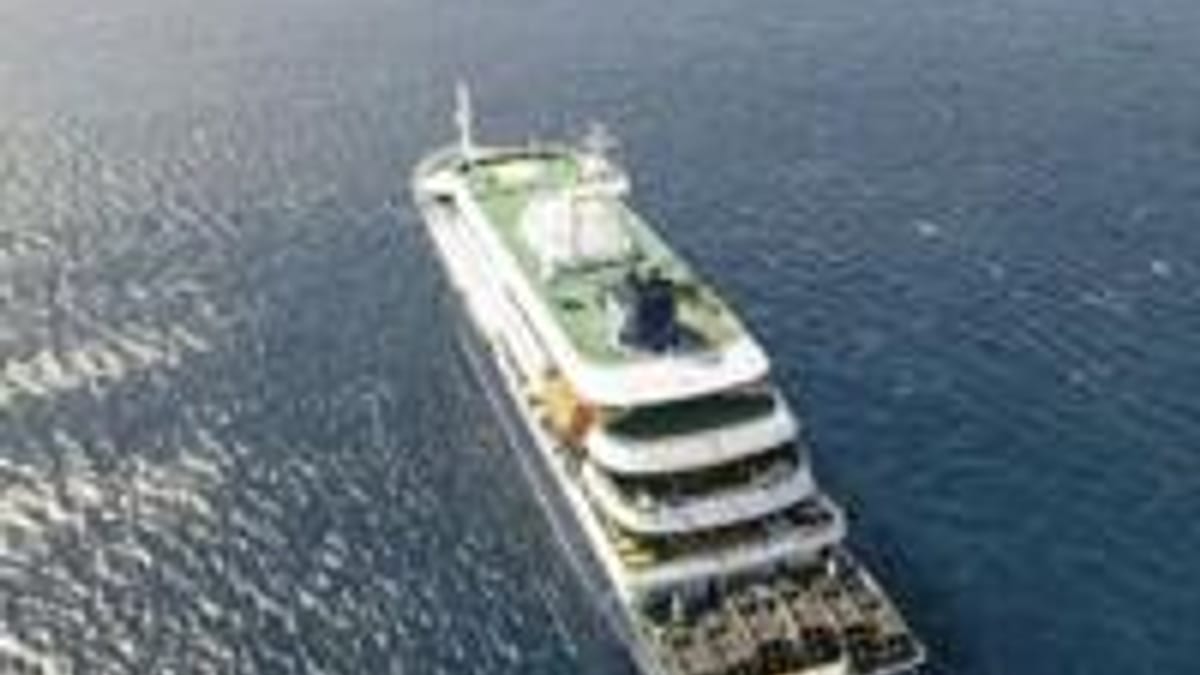
Rare virus turns remote cruise into floating quarantine
The Dutch flagged MV Hondius had been sailing from Ushuaia in southern Argentina toward Cape Verde and the Canary Islands when clusters of severe respiratory illness began appearing in April, according to timelines compiled by international media and public health summaries. Three passengers have died since April 11, including an elderly couple and another traveler whose cause of death is still being investigated.
Publicly available information shows that at least two cases of hantavirus infection linked to the ship have been laboratory confirmed, with several additional suspected cases reported among people connected to the voyage in multiple countries. The World Health Organization has described the situation as an apparent outbreak involving the rare Andes hantavirus, a strain known to circulate in parts of South America and, unusually for this virus family, capable of limited person to person transmission.
Reports indicate that many of those on board are from Europe, North America and Asia, including travelers from Britain, Spain, Japan and other countries. The cruise, marketed as a nature focused voyage, had already covered remote stops in the South Atlantic before the scale of the health problem became clear.
Health agencies in South Africa and Europe have issued technical updates noting that symptomatic passengers and crew have now been identified in several countries following earlier disembarkations and medical evacuations. Contact tracing efforts are under way for those who left the ship at earlier ports or traveled onward by air.
Ship barred from Cape Verde as ports weigh public health risk
The vessel arrived off Cape Verde around the start of May, but authorities in the island nation instructed it to remain offshore. According to published coverage, officials there cited precautionary public health concerns and the limited capacity of local health services to manage a potential outbreak of a severe and poorly understood infection.
The Hondius anchored near the capital Praia while local authorities and international health bodies assessed options, including evacuations of the sickest patients and arrangements for testing. Media reports describe a tense period in which the ship awaited clearance, with passengers confined to cabins and crew attempting to maintain basic operations under strict infection control measures.
Regional governments around the eastern Atlantic monitored the situation closely. Spain’s Canary Islands, several hundred miles to the northeast, initially appeared cautious about accepting the ship, with regional leaders publicly highlighting uncertainties around the outbreak. Subsequent statements reported in European outlets indicate that Spanish authorities later agreed to allow the Hondius to proceed to a port in Tenerife under controlled conditions.
Tracking data referenced in news reports and maritime summaries suggest that, as of May 7, the ship was sailing north between Cape Verde and the Canary Islands after spending days effectively immobilized off the West African archipelago.
Life on board: isolation, uncertainty and limited information
Accounts carried by international broadcasters and specialist maritime publications describe a shipboard community suddenly thrust into isolation protocols more familiar from hospital wards than holiday cruises. Passengers have reported being largely confined to their cabins, with meals left at doors, common spaces closed and group activities suspended.
The ship’s operator, Oceanwide Expeditions, has released statements emphasizing that strict health measures were implemented as illnesses emerged, including early isolation of symptomatic individuals, enhanced cleaning and use of protective equipment by crew. The company has also suggested that initial infections may have been acquired on land in South America before boarding, citing the long incubation period typical of hantavirus infections.
With internet connectivity limited and plans in flux, those on board have described a sense of uncertainty over when and how they will be able to disembark. Some passengers have turned to social media, sharing brief messages about long days spent in small cabins, concern for vulnerable travelers and gratitude for crew members trying to manage an unprecedented crisis at sea.
Publicly available information indicates that three seriously ill people, including at least one crew member, have now been evacuated by air to specialized hospitals in Europe. However, the majority of those on board remain subject to ship wide restrictions until health authorities and destination ports finalize protocols for their arrival.
Understanding hantavirus and why this outbreak is so unusual
Hantaviruses are a group of viruses primarily carried by rodents. According to explanatory coverage in scientific and general media, humans are usually infected through inhaling particles from contaminated droppings, urine or nesting material. In the Americas, certain strains can cause hantavirus pulmonary syndrome, a severe respiratory illness with a relatively high fatality rate.
Andes hantavirus, suspected to be involved in the Hondius cases, has drawn particular concern because it is one of the few hantaviruses where limited person to person transmission has been documented, mostly in close contact settings such as households or health care environments. Even then, experts describe transmission as relatively inefficient compared with respiratory viruses like influenza or coronavirus.
That background makes a suspected outbreak in the confined environment of a cruise ship especially sensitive. Researchers and public health observers note that questions remain about where and how the first passengers were exposed, whether any rodent contamination played a role on board, and to what extent close contact among travelers may have contributed to spread.
Early technical assessments cited in media reports stress that there is no evidence of widespread community transmission in any of the countries receiving patients from the ship. However, the multinational nature of the cruise and the number of intermediate stops mean that health agencies are treating the episode as a complex cross border incident.
Broader implications for cruise and global health sectors
The Hondius incident has revived memories of earlier maritime health emergencies, including the high profile cruise outbreaks at the start of the COVID 19 pandemic. Analysts quoted across travel and health coverage argue that the case underlines ongoing challenges in balancing global tourism with preparedness for rare but serious infectious diseases.
Publicly accessible statements from health ministries and the World Health Organization indicate that authorities are reviewing how swiftly the suspected outbreak was recognized, how information was shared between the ship, ports and national agencies, and how decisions on evacuation and docking were coordinated. These reviews are expected to feed into updated guidance for managing severe but uncommon infections on passenger vessels.
For the cruise industry, the episode poses fresh questions about operating in remote regions where medical facilities and evacuation options are limited. Expedition style voyages, which often visit isolated islands and polar regions, may face renewed scrutiny of their contingency planning, onboard medical capacity and passenger communication strategies.
For the hundreds of people who joined what was marketed as a once in a lifetime journey across the South Atlantic, the experience has instead become a test of patience and resilience. As the MV Hondius heads toward the Canary Islands under close public health supervision, passengers and crew remain in a holding pattern, waiting for the moment they can finally step ashore and begin the long journey home.