


More news on this day
Nearly 150 passengers and crew remain stranded aboard a Dutch-flagged expedition cruise ship off Cape Verde, as investigators probe three deaths and a cluster of suspected hantavirus infections linked to the voyage.
Get the latest news straight to your inbox!
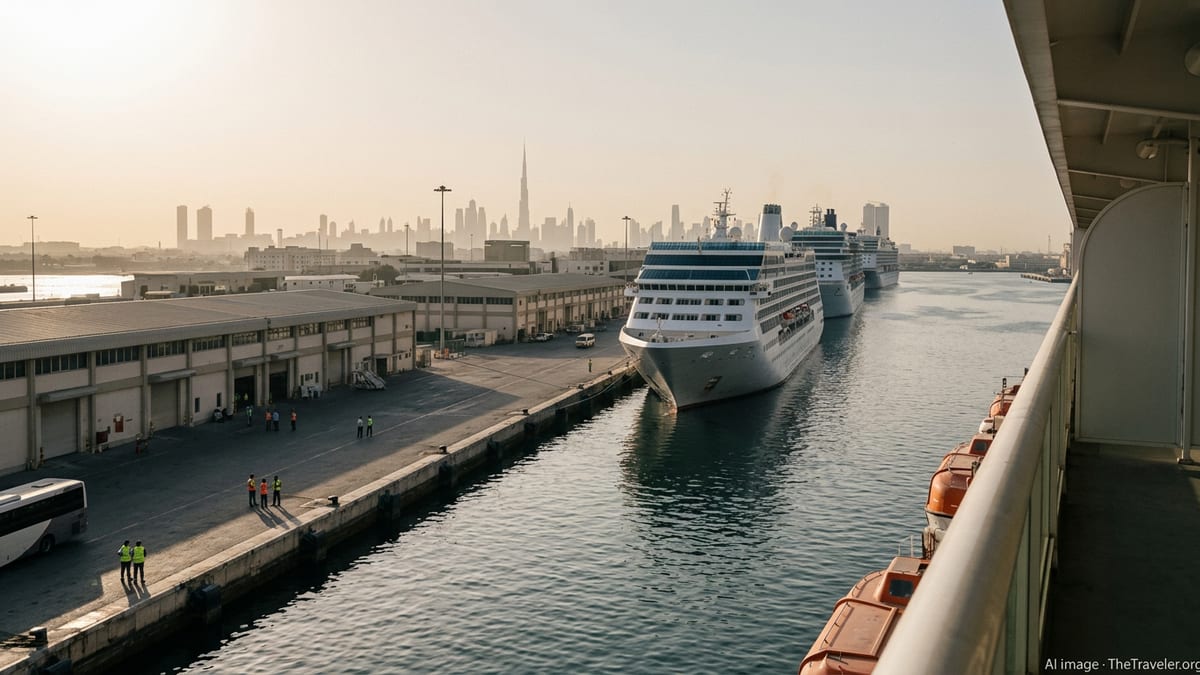
Ship Held Offshore After Sudden Health Emergency
The vessel, identified in public reports as the MV Hondius, has been anchored off the Cape Verde archipelago since early this week after local authorities declined to allow disembarkation. Coverage from multiple outlets indicates that three passengers who had been on the cruise have died since mid April, while at least several others have fallen seriously ill with severe respiratory symptoms connected to a suspected hantavirus outbreak.
According to published coverage drawing on updates from the World Health Organization and national health agencies, one infection has been laboratory confirmed and several additional cases are being treated as probable. The ship had been sailing a long repositioning itinerary that began in Ushuaia, Argentina, in March and was scheduled to end in the Canary Islands, with Cape Verde intended as a key stopover before the final leg north.
Reports describe the vessel remaining in a holding position off Praia, Cape Verde’s capital, while medical teams visit the ship by launch. People on board have been told to stay in their cabins except for controlled movements, and shared spaces have either been closed or heavily restricted as health checks continue.
While a small number of seriously ill patients have already been evacuated to specialist hospitals in South Africa and Europe, the majority of passengers and crew are still on board, awaiting clarity on when and where they will be allowed to disembark.
Timeline of a Deadly Voyage
Reconstructed timelines in international media trace the outbreak back to early April, when a Dutch passenger developed acute respiratory symptoms while the ship was sailing in the South Atlantic. That passenger died on April 11, with the body later disembarked at the island of St Helena. A second passenger, believed to be the man’s wife, left the ship for onward travel and collapsed during a connection in Johannesburg on April 26, later dying in a South African hospital.
A third death connected to the cruise was recorded on May 2, involving a passenger who became seriously ill while the ship continued toward Cape Verde. Public health summaries note that laboratory testing has so far linked at least two of the fatal cases to hantavirus infection, while another death and several additional illnesses remain under investigation.
In the days between the first fatality and the decision to halt the ship near Cape Verde, dozens of people are reported to have disembarked at intermediate ports such as St Helena and in South Africa, prompting wider international contact-tracing efforts. Health agencies in the Netherlands, Switzerland, South Africa and other countries have announced investigations into returning travelers who spent time on the ship or on connecting flights with infected passengers.
By early May, global health updates were citing seven or more confirmed and suspected infections linked to the voyage, with three fatalities and at least one person in intensive care. The overall case count could rise as testing continues and additional travelers are traced.
Conditions Aboard as Isolation Drags On
Accounts relayed through media interviews and social posts describe a tense atmosphere on the stranded ship, with passengers instructed to self isolate as crew implement heightened sanitation protocols. Meals are reported to be delivered to cabins, and activities have been sharply curtailed while medical teams monitor anyone reporting fever, breathing difficulties or other flu like symptoms.
Reports indicate that the ship’s medical facilities, designed primarily for routine cruise care and minor emergencies, have been stretched by the number of suspected cases. To ease pressure and reduce risk, at least three seriously ill individuals, including the ship’s doctor in some accounts, have been transferred off the vessel by sea and air to hospitals with higher level isolation capacity.
Despite these evacuations, images and descriptions published by international outlets suggest that the vast majority of the nearly 150 people on board remain confined at sea. Some passengers have publicly appealed for clearer communication and a firm plan for disembarkation, while also expressing concern for vulnerable travelers and for family members who left the ship earlier in the voyage.
Cruise commentators note that the situation has revived memories of high profile maritime health crises during the early months of the COVID 19 pandemic, when ships were forced to wait offshore for days or weeks as port states weighed public health risks against the needs of passengers and crew.
Hantavirus Risk and Global Health Response
Hantaviruses are a group of pathogens most commonly spread to humans through contact with infected rodents or their droppings. Some strains, including those associated with the South American Andes region, have been documented in medical literature as capable of limited person to person transmission under close contact conditions, which has heightened concern in the context of a cruise ship environment.
Summaries from international health organizations emphasize that hantavirus infections are relatively rare worldwide but can be severe, often presenting as a sudden fever followed by rapidly worsening respiratory distress. Reported fatality rates for some forms of hantavirus pulmonary syndrome are high compared with many other viral respiratory diseases, especially when diagnosis and advanced care are delayed.
In response to the cruise cluster, public health agencies in multiple countries have launched cross border contact tracing focusing on fellow passengers, air travelers and transport workers who may have been in close proximity to confirmed or suspected cases. Airlines have also reviewed passenger manifests after it emerged that at least one infected traveler boarded a long haul flight before their condition was recognized.
Experts quoted in public reporting stress that, while the absolute risk to the general population remains low, cases linked to international travel require rapid coordination so that anyone with potential exposure can be monitored and, if necessary, isolated and tested.
Uncertain End to a Troubled Cruise
Following days of negotiations, reports indicate that the MV Hondius has been cleared to sail north toward Spain’s Canary Islands, where regional authorities are preparing for a tightly controlled disembarkation and medical assessment process. The ship is expected to arrive in the coming days, although weather, logistics and evolving health guidance could still affect the schedule.
Until the vessel reaches its next port, those aboard remain effectively confined to a floating quarantine zone, with movement strictly limited and routine cruise operations suspended. Travel industry analysts say the incident is likely to renew scrutiny of health screening protocols, onboard medical capacity and communication practices for expedition style voyages that visit remote regions far from major hospitals.
The outbreak is also prompting renewed discussion of how small island states such as Cape Verde can balance the economic importance of cruise tourism with the risks associated with infectious disease. Observers note that decisions taken in this case reflect both lingering lessons from the COVID 19 era and the particular uncertainties surrounding a rare virus that many travelers had never heard of before boarding.
For now, families of those who died, patients still receiving intensive treatment and the passengers waiting off West Africa’s coast share a common uncertainty: how far the impact of this voyage will extend, and how many more cases may yet emerge as global health agencies continue to trace the path of the virus.