


More news on this day
Air travelers across Latin America and parts of Africa faced mounting disruption on June 26, as dozens of cancellations and delays involving carriers including LATAM Brasil, Azul Brazilian Airlines, Copa Airlines, LATAM Colombia, Mozambique Airlines and Pacific Coastal left passengers stranded or scrambling to rebook at busy hub airports.
Get the latest news straight to your inbox!
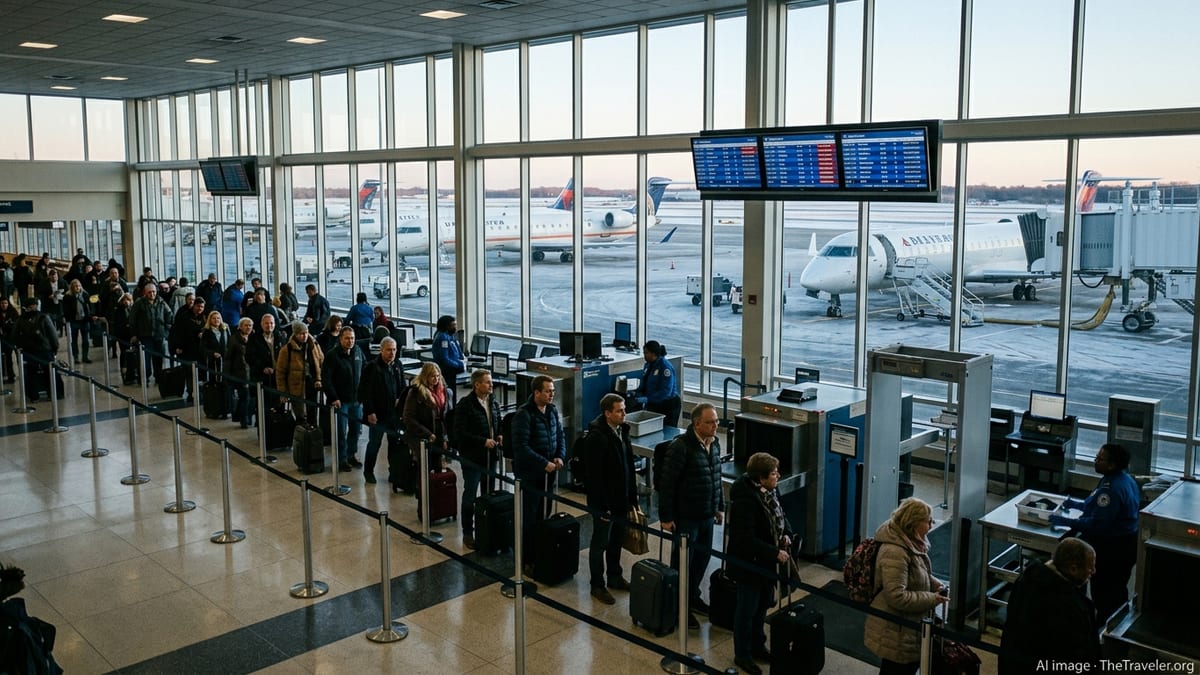
Widespread Cancellations Hit Key Regional Hubs
Publicly available data from airport boards and flight-tracking platforms on June 26 pointed to at least 69 cancellations and 95 delays across networks touching Brazil, Colombia, Panama and Mozambique, with regional and feeder carriers among the most affected. The pattern reflected a mix of weather disruption, operational constraints and knock-on effects from earlier schedule reductions that have left some airlines with thinner buffers when problems arise.
In Brazil, recent coverage has highlighted how service cuts and localized weather have combined to disrupt domestic travel. Reports from Campinas indicated that poor weather at Viracopos Airport led Azul to cancel dozens of flights and divert others on June 25, creating residual delays for June 26 as aircraft and crews were repositioned. The impact spread well beyond São Paulo state, affecting routes that connect regional cities with national hubs.
Similar pressures have appeared in Colombia and Panama, where connections operated by LATAM Colombia and Copa Airlines are critical for linking secondary cities to long haul networks. Flights routed through Bogotá and Panama City formed part of the tally of delays, with passengers reporting missed onward connections and extended layovers. Travel forums and social media posts have described crowded customer service lines and limited same day alternatives on already busy routes.
In southern Africa, Mozambique Airlines has also featured in disruption reports, with regional links feeding into Maputo and other gateways affected. While the absolute numbers are smaller than in Brazil, the consequences for travelers can be more acute where alternative daily frequencies are limited and overland options are time consuming.
Structural Strain Behind a Single Day of Chaos
Industry commentary suggests that the latest wave of disruption is landing on top of structural strain that has been building in several of these markets. In Brazil, financial pressure linked to fuel costs and currency volatility has already prompted LATAM Brasil and Azul to trim planned capacity, a trend noted in recent business coverage of the sector. Reduced frequencies can improve yields but also leave less slack in the system when aircraft or crews go out of rotation.
Analysts note that Latin American carriers often operate dense schedules through a handful of megahubs, such as São Paulo Guarulhos, Bogotá El Dorado and Panama City Tocumen. When weather or air traffic control constraints affect these nodes, disruptions can rapidly cascade across short haul and medium haul networks. The prominence of connections, compared with point to point travel, magnifies the impact of each cancellation or extended delay.
Operational recovery can also be more complex for airlines with mixed fleets and long stage lengths. Flights linking South America, North America and Europe typically require specific aircraft types and crews with particular qualifications. If one such rotation is canceled, reassigning planes and staff on short notice can be challenging, contributing to multi day knock on effects such as those highlighted in recent passenger accounts from Brazil and connecting hubs.
Mozambique Airlines and Pacific Coastal, though smaller than their Latin American counterparts, face analogous constraints in their home regions. Their role in serving remote communities means that a single canceled rotation can strand travelers with few immediate alternatives, especially where services operate only a few times per week.
Passengers Report Long Waits and Limited Support
Anecdotal reports from online travel communities describe passengers facing long queues at airport service desks, extended waits on customer service phone lines and limited clarity on rebooking options. Some travelers recount being offered itineraries departing several days later, or reroutings involving multiple additional stops, after missing connections or having original flights canceled at short notice.
Recent posts referencing LATAM, Azul and Copa have cited frustrations over perceived inconsistencies between airline apps, airport screens and gate announcements during disruption events. Travelers describe situations where flights appeared on time in mobile tools but were already delayed or canceled according to gate staff, complicating efforts to make rapid alternative arrangements.
Experiences reported around Mozambique Airlines and Pacific Coastal show comparable themes, including uncertainty about accommodation and meal support in the event of overnight delays. In smaller or regional airports, limitations in hotel capacity and ground transport can intensify the stress when large numbers of passengers are unexpectedly stranded.
Consumer advocates in Latin America have previously raised concerns about how well passenger rights frameworks are understood and applied in practice, especially in fast moving disruption scenarios. The latest spate of cancellations and delays is likely to renew scrutiny of how clearly airlines communicate entitlements to care, refunds or compensation where local regulations require them.
Airlines Point to Weather and Operational Challenges
Available public statements and media coverage around recent events suggest that airlines are largely attributing the latest disruptions to adverse weather and operational constraints, rather than systemic schedule design. In Brazil, Azul has linked its recent wave of cancellations at Viracopos to poor weather conditions, with storms and low visibility cited as reasons for halting or diverting traffic into the airport.
For carriers with extensive regional operations such as LATAM Brasil and LATAM Colombia, localized weather events can ripple widely across the network as aircraft and crew rotations are rebalanced. Even when specific flights on June 26 were still listed as scheduled on real time tracking platforms, travelers with earlier canceled sectors may have already lost onward connections or been rebooked to different days.
Copa Airlines, which relies heavily on its Panama City hub to funnel traffic between North and South America, can be particularly exposed when storms or congestion affect its banks of connecting flights. Passenger accounts in recent days have highlighted missed long haul departures and reroutings through third countries after short haul Copa sectors encountered delays.
In Mozambique and Western Canada, where Mozambique Airlines and Pacific Coastal operate in markets with challenging geography and variable weather, carriers frequently cite safety considerations and airport limitations as reasons for cancellations or extended delays. Industry observers note that such factors are particularly common in remote or coastal regions, where infrastructure and diversion options are more limited.
What Travelers Can Do Amid Ongoing Disruptions
Travel advisers and experienced frequent flyers often recommend that passengers build additional buffer time into itineraries that depend on regional connections in Latin America and Africa, especially during periods of unstable weather. Allowing longer minimum connection times, avoiding tight same day links to long haul flights and considering overnight stops at major hubs can reduce the risk of being stranded mid journey.
Passengers affected by cancellations or long delays are also frequently encouraged, in public guidance, to contact airlines through multiple channels at once, including mobile apps and call centers, while simultaneously joining airport service lines. This approach can increase the chances of securing earlier rebooking options during widespread disruption, when available seats are limited.
Checking the specific passenger rights regime that applies to each segment, whether under Brazilian rules, Colombian regulations, Panamanian law or other national frameworks, can help travelers understand what forms of assistance they may request. Consumer protection agencies in several of the affected countries provide publicly available guidance on meal vouchers, hotel accommodation and refund or credit options in defined circumstances.
With regional networks under pressure and airlines fine tuning capacity, observers suggest that travelers in Latin America and parts of Africa may need to plan for a period of heightened unpredictability. The disruption visible on June 26 underscores how quickly localized issues can translate into multi country travel headaches when key hubs and regional carriers are already operating near the limits of their resilience.