


More news on this day
Travel across Europe and the North Atlantic was disrupted on June 26 as more than 100 departing and arriving flights at Zurich Airport faced delays, affecting services by Swiss, Edelweiss Air, easyJet, Helvetic Airways, Lufthansa and British Airways on routes to major hubs including London, Frankfurt, Amsterdam, Barcelona, Manchester and New York.
Get the latest news straight to your inbox!
Widespread Disruptions Hit Swiss and International Carriers
Operational data and industry monitoring on Friday point to around 110 delayed flights linked to Zurich Airport, as weather, air traffic control bottlenecks and knock-on congestion combined to slow departures and arrivals. The disruption affected a broad mix of short and long haul services operated by Swiss-based airlines and major European carriers that rely on Zurich as a key connecting hub.
Publicly available tracking information indicates that Swiss and its leisure affiliate Edelweiss Air, along with regional operator Helvetic Airways, were among the hardest hit, reflecting their concentration of flights at Zurich. easyJet, Lufthansa and British Airways also experienced irregular operations on services routed through the airport, adding pressure to schedules already affected by wider European airspace constraints.
Travel industry coverage reports that Zurich-related delays have become particularly acute in the second half of June, as peak summer traffic coincides with air traffic management challenges and intermittent weather systems in central Europe. The situation on June 26 followed several days of heightened disruption for passengers using Switzerland’s largest airport.
Although most affected flights were delayed rather than cancelled, the volume of late departures and arrivals created a cascade of missed connections and rebookings, especially for travelers relying on Zurich as a transfer point between European and intercontinental routes.
Key Routes Impacted Across Europe and the North Atlantic
According to live airport and airline data, major European gateways including London, Frankfurt, Amsterdam, Barcelona and Manchester saw ripple effects from delays tied to Zurich operations. These cities form a dense corridor of high-frequency services operated by Swiss, Lufthansa Group carriers, easyJet and British Airways, making them particularly sensitive to any disruption at one of the network’s central nodes.
Flights between Zurich and London, a route served by both Swiss and British Airways as well as low cost operators on certain days, registered departure and arrival delays that stretched from modest schedule slippages to significantly late operations. Similar patterns were visible on high demand corridors to Frankfurt and Amsterdam, where Zurich-based passengers often connect to onward global flights.
Transatlantic services were also affected, with delays on routes linking Zurich to New York and other North American cities compounding the challenge for long haul travelers. Even when long haul flights ultimately departed, late incoming aircraft and congested departure slots extended boarding and ground times, leaving passengers on board while crews awaited clearance.
For some travelers, the impact was felt not only in missed onward flights but also in knock-on disruption to hotel bookings, ground transportation and time-sensitive meetings in destination cities, underscoring how a concentrated wave of delays at a single hub can reverberate worldwide.
Underlying Causes: Weather, Airspace Constraints and Airport Capacity
Recent days have seen a convergence of factors affecting Swiss air traffic, including unsettled weather systems over central Europe and periodic restrictions in regional airspace. Financial and aviation industry reporting this week has highlighted how thunderstorms and associated safety measures can prompt temporary interruptions to flight operations, forcing aircraft to hold, divert or await more favorable conditions before departure.
At the same time, Europe’s interconnected air traffic management network has been facing sustained pressure as summer schedules ramp up. Briefings from regional air navigation organizations in June point to rising en route delays for several major airline groups, including carriers based in Switzerland, Germany and the United Kingdom. Zurich Airport has increasingly appeared among locations generating higher average delay minutes per flight for some operator groups.
Capacity constraints on the ground add a further layer of complexity. Zurich’s role as the home base for Swiss, Edelweiss Air and Helvetic Airways, while also serving easyJet, Lufthansa, British Airways and many other airlines, means that even minor schedule disruptions can quickly saturate gates, taxiways and ground handling resources. The result is a self reinforcing cycle of delays as aircraft wait for stands or pushback clearance, especially during peak morning and evening banks.
Aviation analysts note that the broader context includes record passenger volumes this year at Swiss airports, with traffic in Zurich recovering beyond pre pandemic levels. That growth has heightened sensitivity to any disruption, since airlines and airport operators are running busy schedules with limited slack to absorb operational shocks.
Passenger Experience and Rights Amid Growing Delays
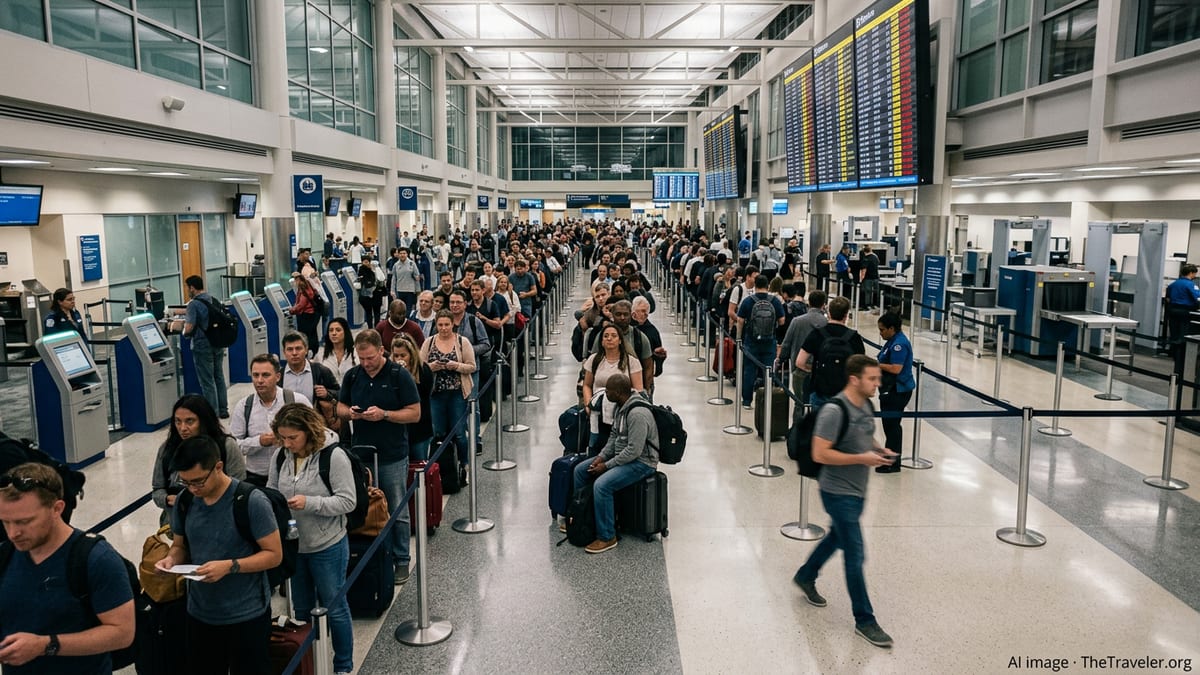
For passengers, Friday’s operational difficulties translated into longer queues at check in, security and boarding gates, as well as extended waits on board aircraft. Real time wait time trackers and anecdotal reports from travelers describe crowded departure halls and frequent public address announcements about revised departure times and gate changes.
Consumer travel outlets have emphasized that many of the affected flights involving Swiss, Edelweiss, easyJet, Helvetic, Lufthansa and British Airways fall under European and Swiss regulations governing passenger rights in the event of long delays or cancellations. Eligibility for compensation or reimbursement depends on factors such as the length of delay, the distance of the journey and whether the cause is considered within the airline’s control.
Travel advisories published on June 26 recommend that passengers keep boarding passes and booking confirmations, monitor airline apps or airport displays for rebooking options, and document out of pocket expenses that may be claimable. Travelers are also urged to be aware of the distinction between weather related or air traffic control driven disruptions, which may limit compensation, and operational or staffing issues that are generally treated differently under relevant regulations.
Some travelers reported being rebooked via alternative hubs such as Munich, Vienna or Paris when connections through Zurich or its directly linked destinations were no longer viable, illustrating how airlines attempt to use broader alliance networks to mitigate localized disruption.
Outlook for Zurich Operations in the Coming Days
As of Friday evening local time, published information suggested that operations at Zurich Airport were gradually stabilizing, although residual delays remained on a number of services as airlines worked through the backlog. With peak summer travel underway, attention is now turning to whether similar disruption could recur in the days ahead.
Meteorological forecasts for central Europe indicate the potential for further thunderstorms and unsettled weather patterns, which could again constrain takeoff and landing rates at Zurich and other regional hubs. At the same time, air traffic flow management agencies are monitoring demand and capacity levels across key airspace sectors to minimize bottlenecks where possible.
For Swiss, Edelweiss Air, easyJet, Helvetic, Lufthansa and British Airways, the priority will be restoring punctuality while maintaining schedule integrity during one of the busiest periods of the year. Industry observers note that continued investment in air traffic control modernization and airport infrastructure, combined with more flexible scheduling strategies, will be critical to reducing the scale of future disruption at hubs such as Zurich.
In the near term, travel experts advise passengers using Zurich and affected routes to build additional buffer time into itineraries, avoid tight connections where feasible and stay closely informed through airline communication channels as conditions evolve.