


More news on this day
Downtown Los Angeles is adding a new chapter to its ongoing reinvention as Reside Craftsman, a Wyndham Residence, opens in a restored historic building with a hybrid model that blends extended-stay luxury, adaptive reuse design and curated urban living experiences.
Get the latest news straight to your inbox!
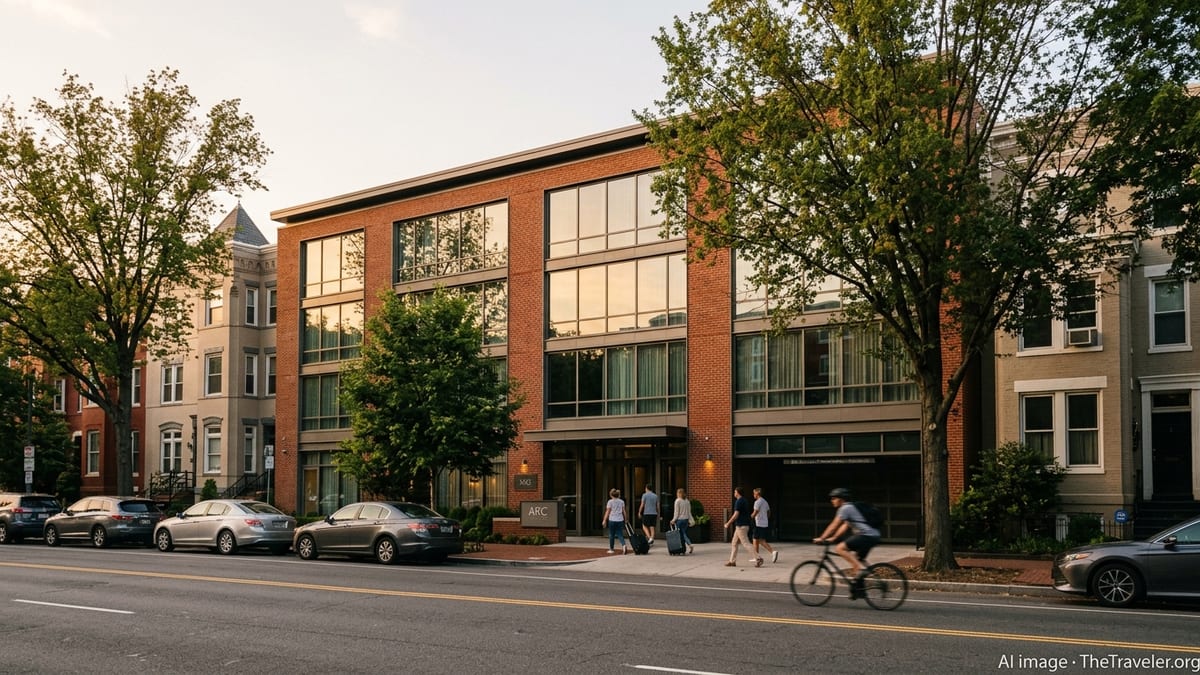
Historic Lane Mortgage Building Becomes Extended-Stay Flagship
Reside Craftsman occupies the former Lane Mortgage Building at 8th and Spring Streets, a 1920s-era property that has long been part of the historic streetscape of downtown Los Angeles. The opening follows several years of repositioning the structure from traditional office use toward a residential and hospitality-focused program, in line with the neighborhood’s broader shift toward mixed-use living.
Publicly available information indicates that the property now offers approximately 110 apartment-style units under the Wyndham Residence brand, with minimum-stay requirements that place it squarely in the extended-stay segment. Accommodation is designed to provide more space and amenities than standard hotel rooms, including in-unit kitchen facilities and flexible layouts intended for longer visits.
The relaunch of the building as Reside Craftsman reflects a continuing trend in downtown Los Angeles, where historic commercial blocks are being reintroduced as residential and hospitality destinations. By retaining the original massing and much of the architectural character while updating the interiors, the project seeks to attract travelers and corporate guests who are looking for longer-term stays close to the city’s main employment and entertainment centers.
The hotel’s location places guests within walking distance of the Fashion District, the Historic Core and the Broadway Theater District, as well as within a short ride of the Arts District and South Park. That positioning aligns the property with the growing market of visitors who treat downtown Los Angeles as a base for both business and lifestyle-driven travel.
Adaptive Reuse Strengthens Downtown’s Historic Core
Reside Craftsman’s debut builds on more than two decades of adaptive reuse activity in downtown Los Angeles, a movement supported by city planning policies that have encouraged the conversion of underused office buildings into housing, hotels and creative spaces. The Lane Mortgage Building’s transition from finance offices to short-term rentals and now to a branded extended-stay residence illustrates how these policies are reshaping the skyline block by block.
Design work on the Craftsman building has emphasized preserving exterior detailing and key interior features while upgrading systems to contemporary safety and comfort standards. The project contributes to a broader pattern in which early twentieth-century towers are recast as places to live and stay, rather than simply work, helping stabilize occupancy in a district that is still adapting to post-pandemic shifts in office demand.
Nearby examples, including loft conversions, boutique hotels and mixed-use complexes created from industrial structures, have demonstrated that adaptive reuse can both safeguard heritage architecture and support new forms of investment. Reside Craftsman adds another hospitality-led example to that portfolio, maintaining the building’s historic presence along Spring Street while activating it with round-the-clock residential use.
Observers of downtown’s evolution note that projects like this also contribute to street life by bringing more residents and long-stay visitors into the area. Ground-floor retail and restaurant spaces, some of which predate the latest conversion, are positioned to benefit from the captive audience upstairs, extending economic activity beyond the traditional nine-to-five workday.
Extended-Stay Luxury Meets Urban Apartment Living
Reside Craftsman is positioned as an extended-stay property offering residential-style comfort with hotel-like services. Public descriptions of the residences outline studio and one-bedroom layouts fitted with kitchenettes or full kitchens, living areas and workspaces, targeting guests who may be in Los Angeles for multi-week business assignments, production work, medical visits or relocations.
The Wyndham Residence brand emphasizes longer-term hospitality, with services such as housekeeping, on-site staff, fitness options and communal spaces that resemble those found in upscale apartment communities. At Reside Craftsman, the concept is applied within a vertical urban building, pairing the flexibility of an apartment with the predictability of a hotel flag.
By requiring a minimum length of stay and focusing on well-appointed, self-contained units, the property aims to differentiate itself from traditional hotels and from unmanaged short-term rentals. The approach responds to demand from guests who want to live independently but value consistent service standards, clear booking channels and professional management.
Within the competitive downtown Los Angeles market, that positioning could appeal to visitors tied to the nearby Los Angeles Convention Center, medical institutions, creative studios and corporate offices. The combination of heritage architecture, residential-scale interiors and extended-stay services is intended to support both productivity and leisure during longer visits.
Immersive Urban Experiences for Long-Stay Guests
Alongside its accommodation offering, Reside Craftsman is being marketed as a gateway to downtown Los Angeles living. The surrounding streets provide access to dining, arts and nightlife venues that have flourished as the area has evolved into a residential neighborhood, giving long-stay visitors an experience that extends beyond the property’s walls.
Reports describe how extended-stay guests are increasingly looking for stays that feel akin to temporary residency, seeking local fitness studios, markets, cultural institutions and green spaces during their time in the city. With public transit connections and rideshare access close by, the Craftsman location is positioned to support that style of urban exploration across downtown and into nearby districts.
Within the building, amenity spaces are designed to foster a sense of community among guests who may remain on site for weeks or months. Shared lounges, work areas and fitness facilities create opportunities for informal interaction, reflecting a hospitality model that blurs the lines between hotel, serviced apartment and urban co-living environment.
The property’s integration into the existing downtown grid, rather than in an isolated campus setting, underscores the shift in hospitality toward more embedded, neighborhood-focused experiences. For many visitors, the ability to step out of a historic lobby directly onto active city streets is part of the appeal.
Signal Moment in Downtown’s Post-Office Era
The opening of Reside Craftsman coincides with renewed attention on how American downtowns adapt aging office inventories to new uses. In Los Angeles, adaptive reuse projects are often cited as one way to address housing needs, support tourism and keep historic structures in active use, while responding to the long-term impacts of remote and hybrid work.
Reside’s decision to plant an extended-stay flag in a former office building suggests confidence in downtown Los Angeles as a destination for longer visits, not only short business trips or single-night stays. The hybrid nature of the property, combining hospitality, residential comfort and neighborhood engagement, mirrors themes visible in other recent conversions across the district.
As more buildings follow similar paths from commercial to residential or hospitality use, the character of downtown Los Angeles is expected to continue shifting from a primarily daytime business district toward a more balanced, mixed-use urban core. The launch of Reside Craftsman adds a new dimension to that transformation, highlighting how historic hospitality can be reimagined for an era of flexible, experience-driven travel.
For travelers returning to downtown Los Angeles or discovering it for the first time, the Craftsman building’s new role as an extended-stay residence offers a lens on the city’s broader evolution. From office floors to furnished suites, its latest incarnation captures how historic structures are being asked to serve contemporary needs while preserving a tangible link to the past.