


Royal Caribbean now operates one of the most complex fleets at sea, from 1990s-built classic vessels to record-breaking mega-resorts like Icon of the Seas and Star of the Seas. With more than two dozen ships spread across Vision, Radiance, Voyager, Freedom, Quantum, Oasis and Icon classes, the experience you get can feel dramatically different depending on which ship you choose. This guide ranks Royal Caribbean cruise ships broadly from “worst” to “best” based on age, features, cabin comfort, dining and recent passenger feedback, then explains which types of travelers will be happiest on each tier.
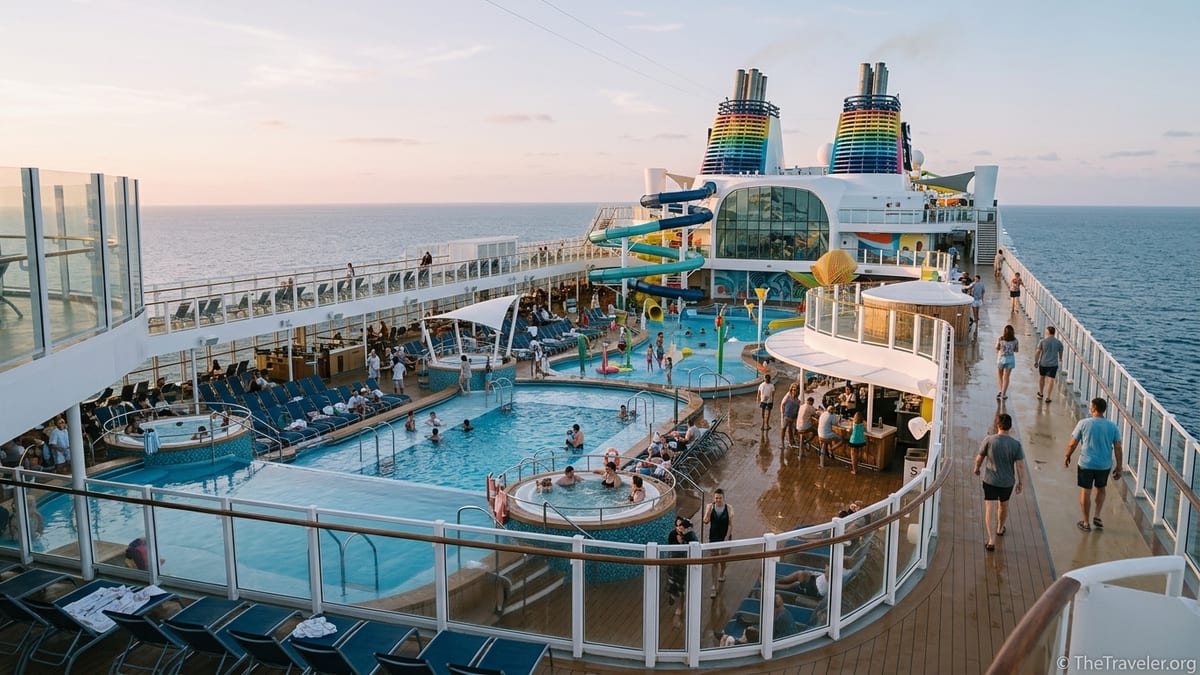
How This Royal Caribbean Ranking Works
Putting every Royal Caribbean ship into a strict list from worst to best ignores a crucial truth: what feels like the “worst” ship to a family with toddlers might be the perfect floating hotel for a couple who just wants quiet lounges and sea views. Rather than a rigid scorecard, this ranking groups ships into tiers by how much they offer in 2024–2026 compared with the rest of the fleet, using factors like ship age, pools and attractions, specialty dining, cabin design and verified guest reviews.
The broad consensus among frequent cruisers and professional reviewers is that Royal Caribbean’s oldest Vision and Radiance class ships generally sit at the bottom of the ranking, while the newest Icon and Oasis class ships occupy the top spots. Newer ships tend to have bigger pool decks, more varied dining and modern cabins, along with headline features like surf simulators and neighborhood-style promenades. Older ships trade all of that for quieter spaces, simpler layouts and usually lower prices.
This article focuses on real-world tradeoffs travelers see onboard. For example, someone sailing a four-night Bahamas run out of Baltimore on Vision of the Seas will face worn carpeting and fewer dining options, but may pay hundreds of dollars less per passenger than friends booking a spring-break sailing on Icon of the Seas from Miami. Understanding these concrete differences makes it easier to decide whether you want a high-energy floating resort or an old-school cruise ship that simply gets you to the ports.
Within each tier you will find some variation from ship to ship, and Royal Caribbean continues to update vessels, so a ship that felt tired before a dry dock can improve noticeably afterward. Still, broad patterns hold, giving a reliable sense of which ships usually sit near the bottom of the list and which are widely regarded as fleet leaders.
The Bottom Tier: Vision and Older Radiance Class Ships
At the bottom of most rankings you will usually find the Vision class and some of the older Radiance class ships, such as Grandeur of the Seas and Vision of the Seas. Grandeur, launched in the mid-1990s and still sailing, is frequently cited as Royal Caribbean’s most dated vessel in current service. Reviewers who have cruised Royal for 15 to 20 years often describe Grandeur as feeling small, with limited dining variety, a compact pool deck and only a handful of bars and lounges compared with newer ships.
On a practical level, that means a seven-night Bermuda cruise on Grandeur of the Seas might offer one main dining room, the Windjammer buffet and perhaps a single branded specialty restaurant, versus the dozen or more included and extra-charge venues you will find on an Oasis or Icon class ship. Entertainment tends to focus on a main theater show, a piano bar, trivia in the lounges and maybe one aerial or ice-skating style performance rather than the production-heavy Broadway-style shows on larger vessels.
Vision of the Seas, another older ship that still draws loyal fans, highlights the tradeoff clearly. Guests report that cabins feel smaller, bathrooms are basic, and public spaces rely on the original Centrum atrium design with brass and glass accents. There is no Royal Promenade, no large-scale water park and no headline attractions like zip lines. A family that booked Vision expecting a miniature version of Wonder of the Seas might be disappointed to find a single small water slide or none at all, a single main pool and a compact outdoor deck that feels crowded on sea days.
Yet these “worst ranked” ships still have strengths. Fares are often among the lowest in the fleet; it is common to see off-season inside cabins for short Bahamas or New England sailings priced a few hundred dollars per person less than newer ships on similar routes. Because they are smaller, newer cruisers frequently mention that it feels easier to find your way around, and repeat guests often praise the friendly, personal service. If you value price and simplicity over amenities and you are focused on destination-heavy itineraries, a Vision or Radiance class ship can still be a smart choice even if it sits at the bottom of a ranking.
The Middle: Radiance, Voyager and Parts of the Freedom Class
A broad middle tier of Royal Caribbean’s fleet includes the Radiance, Voyager and some of the Freedom class ships. These vessels are rarely anyone’s absolute favorite or least favorite. Instead they tend to deliver a solid, familiar Royal Caribbean experience at a moderate price, with enough things to do to satisfy most travelers without the all-out intensity of the mega-ships.
Radiance class ships, such as Radiance of the Seas and Brilliance of the Seas, are slightly newer than the Vision ships and generally a step up in many rankings. They feature more glass and balcony cabins, improved pool layouts and somewhat fresher public spaces. Guests who enjoy scenery-focused itineraries like Alaska appreciate the floor-to-ceiling windows and calmer atmosphere. You might not find a full water park on the top deck, but you will often see a rock-climbing wall, mini-golf and a small kids’ splash area, along with multiple indoor lounges ideal for glacier-watching or sea-day reading.
Voyager and Freedom class ships bridge the gap between the older, traditional ships and the blockbuster Oasis and Icon classes. Voyager of the Seas, for instance, introduced the Royal Promenade concept, bringing interior-facing cabins, parades and a shopping-and-dining “street” through the center of the ship. A guest sailing a five-night Western Caribbean cruise on Voyager from a Gulf Coast port will typically find FlowRider surf simulators, ice-skating shows and several specialty restaurants like a steakhouse and Italian trattoria, but still fewer venues and neighborhoods than the largest ships.
Prices on these middle-tier ships often land between the oldest and newest vessels. A balcony stateroom on a seven-night Caribbean cruise aboard Freedom of the Seas can easily cost several hundred dollars less per person than a similar cabin on Icon of the Seas during the same month, yet the onboard experience still includes water slides, a FlowRider, an updated pool deck and multiple bars and lounges. For families who want plenty to do without the highest price point or the most intense crowds, these ships occupy a comfortable middle ground in the ranking.
The Upper Middle: Quantum Class and Newer Freedom Ships
Above the mid-tier ships, but not quite at the pinnacle, sit the Quantum class and some of the most recently refurbished Freedom class vessels. Quantum-class ships like Anthem of the Seas and Ovation of the Seas tend to polarize guests slightly. Many appreciate their weather-flexible design, with large indoor spaces like the SeaPlex sports complex and the Two70 lounge, which are ideal for cooler-weather regions such as Alaska or Asia. Others feel the layout is more enclosed and less connected to the sea than Oasis-class ships, which can affect how “cruise-like” the experience feels.
Onboard a typical Quantum class sailing, you might find bumper cars in the SeaPlex, the North Star observation capsule that rises high above the ship for panoramic views, and skydiving simulators that are rarely seen on competitors’ vessels. Dining tends to be strong, with multiple complimentary and specialty restaurants, but some reviewers mention that reservations are more essential on these ships due to the popularity of limited-capacity venues. This can make the daily logistics feel more like a resort vacation that needs planning and less like a spontaneous wander through a classic cruise ship.
Newer Freedom class ships that have undergone significant amplification programs, such as Freedom of the Seas with its refreshed pool areas and added water slides, also slide into the upper-middle tier. They balance classic open-deck spaces with modern touches like cantilevered hot tubs and expanded kids’ splash zones. On a three- or four-night Bahamas cruise from Florida, these ships can feel almost like smaller Oasis-class vessels, with music around the pool, sports courts, mini-golf and a lively promenade at night.
In terms of fares, Quantum class ships on marquee routes such as Alaska or Asia often command higher prices than mid-tier Voyager ships. A balcony cabin on an Alaska sailing might cost noticeably more than a Caribbean cruise on an older vessel, reflecting both the itinerary and the ship’s amenities. Still, they typically remain less expensive than the very top-tier Oasis and Icon class ships during peak school holiday periods, making them attractive to travelers who want cutting-edge features but are willing to trade a little size and spectacle.
The Heavyweights: Oasis Class Ships Near the Top
Just below the very top of most rankings sit Royal Caribbean’s Oasis class ships, including Oasis of the Seas, Allure of the Seas, Harmony of the Seas, Symphony of the Seas, Wonder of the Seas and the short-cruise specialist Utopia of the Seas. For years these were the largest cruise ships in the world, and even after the arrival of the Icon class they remain among the most feature-packed vessels at sea.
On an Oasis class ship, the scale of the onboard neighborhoods can be startling if you have only sailed older vessels. A seven-night cruise on Wonder of the Seas from Port Canaveral, for example, might include evenings strolling through a real outdoor Central Park lined with live trees, dining at a boardwalk-style hot dog stand under a working carousel, or riding the Ultimate Abyss dry slide that plunges multiple decks toward the aft. Pools and whirlpools spread across the top decks, often with separate areas for kids, families and adults, while extensive entertainment venues host Broadway-style musicals, ice-skating shows and high-diving aqua theater performances.
Utopia of the Seas, which focuses on three- and four-night getaways from Florida, concentrates many of these Oasis-class features into shorter itineraries. Travelers who want a weekend-style blowout can book a three-night sailing that includes the line’s private island in the Bahamas, combining large water slides and beach clubs ashore with the ship’s waterslides, multiple bars, casino and specialty dining. For many guests who have limited vacation time, this format feels ideal: maximum ship features in a minimal number of days.
These ships do have downsides. Some cruisers report that certain sailings, especially during spring break or holiday weeks, feel extremely busy, with long waits for waterslides and crowded pool decks. Prices reflect their popularity: a family of four booking a balcony cabin on a peak-season Oasis class Caribbean cruise can easily face a total fare that is thousands of dollars higher than a similar-length cruise on an older ship. Still, for travelers who prioritize “biggest and most” and who want essentially limitless dining and entertainment, Oasis class ships consistently sit near the very top of Royal Caribbean rankings.
The New Flagships: Icon Class at the Very Top
At the absolute top of nearly every recent ranking are the Icon class ships: Icon of the Seas, Star of the Seas and the forthcoming Legend of the Seas in 2026. These ships are positioned as Royal Caribbean’s “best of the best,” combining record-breaking size with next-generation amenities and neighborhoods tailored to different types of guests, from young families to adults seeking quiet spaces.
Icon of the Seas, which began sailing Caribbean itineraries from Miami, introduced Category 6, a large water park at sea with multiple high-thrill slides, as well as family raft slides designed for groups. There are dedicated neighborhoods such as Surfside, aimed at parents with small children, with kid-friendly splash zones, casual dining and staterooms specifically laid out for families. Reviews from early sailings often mention that you could easily spend an entire sea day just exploring the different pools and lounges on the top decks, from calm infinity-edge pools overlooking the ocean to high-energy party zones with live DJs.
Star of the Seas, a close sister ship that began sailing from Port Canaveral, continues this approach while offering new entertainment productions and design tweaks based on guest feedback. On a typical seven-night sailing, travelers might watch a full-scale musical in the main theater, attend ice shows in the rink and catch high-diving performances under the open sky. Dining spans quick-service taco stands and pizza counters to high-end specialty restaurants. Cabins, especially newer suite categories, incorporate more modern design and family-friendly layouts than older ships, with features like split bathrooms and larger living areas.
Fares on Icon class ships reflect their status at the top of the ranking. Interior cabins on popular school-holiday sailings can sometimes cost more per person than balconies on older Oasis class ships or suites on the smallest vessels. It is common to see basic seven-night Caribbean itineraries on Icon or Star priced hundreds of dollars more per passenger than equivalent routes on mid-tier ships. For that premium, guests receive the most comprehensive package of modern cruise experiences Royal Caribbean currently offers, and for travelers who view the ship itself as the destination, the Icon class stands clearly at the top of the fleet.
Real-World Tradeoffs: Price, Itinerary and Crowd Levels
When you translate this ranking into a real booking decision, three practical factors matter most: price, itinerary and how busy you want the ship to feel. A budget-conscious couple who mostly cares about walking the streets of Bermuda or exploring Alaskan ports may find that a lower-ranked ship like Grandeur of the Seas delivers everything they need at a significantly lower fare. The ship might lack waterslides and a promenade, but if they spend most of their time ashore or relaxing in a quiet lounge, the savings can outweigh the missing features.
Families with school-aged children often have a different equation. For them, a seven-night sailing on Wonder of the Seas or a shorter cruise on Utopia of the Seas can be worth the higher price because of the extensive water parks, kids’ clubs, teen lounges and entertainment options. Instead of budgeting for multiple port excursions, parents may rely on the ship’s attractions for most of the trip’s fun. In that case, choosing a high-ranked Oasis or Icon class ship can turn sea days into the main event rather than filler between ports.
Crowd tolerance also plays a major role. Older, smaller ships such as Vision or Radiance class vessels typically carry fewer passengers, and many seasoned cruisers report that they feel less congested, especially in shoulder seasons. You might be able to find a deck chair on sea days without getting up at sunrise, and main dining room service can feel more relaxed. Conversely, Icon and Oasis class ships pack thousands more guests onboard. While they also boast more venues and deck space, peak sailings can feel bustling everywhere from the buffet to the elevators.
The itinerary choice can nudge a ship up or down in practice even if the formal ranking stays the same. A Quantum class ship deployed in Alaska, for example, benefits hugely from its indoor pools and observation lounges, making it one of the best options for that region even if it ranks below an Icon class ship on paper. Similarly, a short Bahamas run on a small, older ship that spends only one day at sea may feel like a great value for travelers who care more about Royal Caribbean’s private island than the hardware they use to reach it.
Which Royal Caribbean Ships Are Best for You?
Once you understand how the ships stack up, the final step is matching the right tier to your travel style. If your top priority is the lowest possible fare and you view the ship primarily as transportation to interesting ports, then the lower-ranked Vision and Radiance class ships may offer the best fit. Look for itineraries from convenient homeports like Baltimore or Tampa on ships such as Vision of the Seas or Grandeur of the Seas, where inside cabins on off-peak sailings can be surprisingly affordable.
If you want a balance of features and value, focus on the middle and upper-middle tiers, particularly Voyager, Freedom and Quantum class ships. These vessels usually offer FlowRiders, specialty dining, solid kids’ programs and a good selection of bars and lounges without the very highest fares. A family might, for example, choose a five-night Western Caribbean cruise on Freedom of the Seas over a more expensive seven-night on Icon, using the savings to pay for a private beach cabana at Royal Caribbean’s private island or a guided snorkeling tour.
Travelers who see the ship itself as the highlight of the vacation and who enjoy big-resort energy should concentrate on the top tier: Oasis and Icon class. If you can handle the crowds and higher prices, ships like Wonder of the Seas, Utopia of the Seas, Icon of the Seas and Star of the Seas deliver near-endless activity lists, from multi-story slides and surf simulators to jazz clubs, comedy venues and multi-course tasting menus. For milestone trips such as honeymoons, multi-generational family reunions or once-in-a-decade vacations, these ships justify their place at the top of the ranking by making every day at sea feel like a main event.
Ultimately, “worst to best” is less about objective scores and more about fit. A solo traveler who values quiet corners, low-key evening music and easy navigation might genuinely prefer a Radiance class ship at the bottom of the formal ranking over the constantly buzzing Icon of the Seas at the top. By considering what you personally want more of and what you are willing to trade away, you can use this ranking as a map rather than a verdict, choosing the Royal Caribbean ship that will feel like the best one in the fleet for your particular trip.
The Takeaway
Royal Caribbean’s fleet now stretches from compact 1990s-era ships with a few dining venues and basic pool decks to enormous, recently launched Icon class vessels packed with water parks, neighborhood-style promenades and a dizzying variety of restaurants and bars. In broad terms, Vision and some older Radiance class ships tend to rank at the bottom due to age and limited amenities, while Quantum, Freedom and Voyager class ships form a strong middle, and Oasis and Icon class ships battle for the top spots with their headline-grabbing features.
In real life, though, the “best” ship is the one whose strengths align most closely with your priorities. Travelers focused on price and port-intensive itineraries may be perfectly happy booking a lower-ranked ship like Grandeur of the Seas or Vision of the Seas, using the savings to splurge on shore excursions and upgraded hotels before or after the cruise. Guests who want a full-scale resort experience at sea, especially families with children, will usually feel that the extra cost of an Oasis or Icon class ship is justified by the water slides, kids’ areas and entertainment that make sea days as memorable as port days.
The smartest approach is to treat rankings as a starting point rather than a rulebook. Decide whether you want quiet or high energy, how much time you plan to spend onboard versus ashore, and what you can comfortably spend. Then choose the tier of Royal Caribbean ships that best fits that picture. With expectations aligned, even the so-called “worst” ship in the fleet can deliver an excellent vacation, while the top-ranked mega-ships can provide the kind of once-in-a-lifetime seagoing experience that defines what modern cruising has become.
FAQ
Q1. What is generally considered the worst Royal Caribbean ship?
There is no official worst ship, but many informal rankings and frequent cruisers place older Vision class ships like Grandeur of the Seas near the bottom due to age, dated decor and fewer amenities compared with newer vessels.
Q2. Which Royal Caribbean ship is currently ranked the best overall?
Recent rankings and reviews commonly put Icon of the Seas and its sister ship Star of the Seas at or near the top, thanks to their large water parks, modern family neighborhoods, extensive dining options and cutting-edge entertainment.
Q3. Are the oldest Royal Caribbean ships unsafe because they are ranked lower?
Lower rankings usually reflect design age and limited features, not safety. Older ships must still meet strict international safety standards and undergo regular inspections and maintenance, so a lower ranking does not mean a ship is unsafe.
Q4. Is an Oasis class ship always better than a smaller ship?
Oasis class ships usually rank higher for amenities, but they are not automatically better for every traveler. Guests who prefer fewer crowds, quieter lounges and port-intensive itineraries might actually enjoy a smaller Radiance or Vision class ship more than a bustling Oasis class mega-ship.
Q5. Why are Icon class cruises often more expensive than others?
Icon class ships command higher fares because they are the newest, most feature-rich vessels in the fleet, with large water parks, modern cabins and a huge variety of dining and entertainment. Strong demand for these ships, especially during school holidays, keeps prices at a premium compared with older ships.
Q6. If I am traveling with young kids, which ships should I prioritize?
Families with young children usually get the most value from top-ranked ships like Oasis and Icon class, which offer water slides, splash zones, family neighborhoods such as Surfside, kids’ clubs and multiple casual dining options that make sea days easy and fun.
Q7. Are mid-tier ships like Voyager or Freedom class still worth booking?
Yes, Voyager and Freedom class ships form a strong middle tier, often offering FlowRiders, water slides, promenades, solid dining and entertainment at prices below the newest mega-ships. For many travelers they provide the best balance of cost, features and crowd levels.
Q8. How should budget affect my choice of Royal Caribbean ship?
If you are on a tight budget, consider lower-ranked but well-reviewed older ships on off-peak sailings, where inside or oceanview cabins can be significantly cheaper. You can then allocate saved money toward shore excursions, beverage packages or pre-cruise stays instead of paying for the most expensive hardware.
Q9. Do rankings change after a ship is refurbished?
Yes, a major refurbishment can improve a ship’s standing by updating cabins, adding venues and refreshing public spaces. An older ship that has recently undergone a significant dry dock can feel noticeably more modern and may move up relative to similar unrefurbished vessels.
Q10. What is the best way to decide between two ships with different rankings?
Start by comparing itinerary, price and what you value most onboard, such as water parks, nightlife or quiet spaces. Then read recent reviews focused on those ships to see how real guests describe the experience, and choose the one whose strengths match your personal priorities rather than relying solely on a numerical ranking.