


More news on this day
Royal Caribbean is asking frequent cruisers to help name its next generation of ships, using an online survey to crowdsource ideas for the upcoming Discovery Class vessels set to debut later this decade.
Get the latest news straight to your inbox!
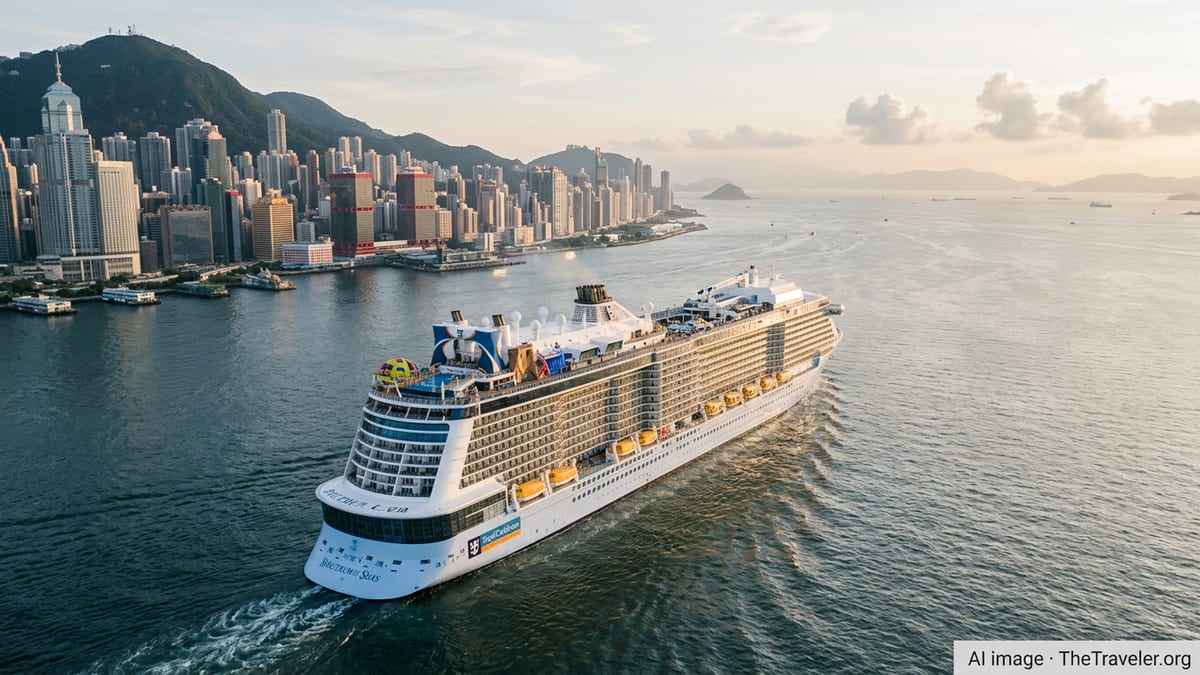
A New Fan-Focused Approach to Ship Naming
According to recent coverage on specialist cruise websites, Royal Caribbean has begun circulating an email survey to select past guests, inviting them to suggest names for future ships in its newly announced Discovery Class. The survey appears to be part of early research on what branding and onboard features will resonate most strongly with repeat cruisers.
Reports indicate that the line is positioning Discovery Class as a slightly smaller, more destination-focused alternative to its record-breaking Icon and Oasis ships. The first Discovery vessel is expected to enter service in 2029, with two ships currently confirmed and options for several more in the following years.
The survey reportedly includes background on the new class before inviting participants to share name ideas and react to sample concepts. Rather than a public contest, this early outreach is described as a targeted consultation with engaged guests who have sailed with the brand multiple times.
Observers note that by involving loyal cruisers at such an early stage, Royal Caribbean is testing not only naming options but also the broader story it wants Discovery Class to tell about exploration, itinerary variety and next-generation design.
Discovery Class: A Smaller Counterpart to the Mega-Ships
Publicly available information shows that Discovery Class will sit below the Icon and Oasis classes in size, but still firmly in the large-ship category. Industry analysis suggests that the design is aimed at balancing onboard attractions with access to ports that cannot regularly handle the very largest cruise ships.
Shipbuilding schedules published in recent months outline a busy pipeline for Royal Caribbean between now and early next decade, including additional Icon vessels and at least one more Oasis-class ship alongside the Discovery program. The line has signaled that the new class will help it reach a wider mix of destinations while retaining the high-profile amenities that have become a hallmark of its fleet.
Cruise commentators point out that the timing of the naming outreach aligns with typical long-lead design processes. With the first Discovery ship several years away, early consumer feedback can still be incorporated into branding, interior spaces and even some onboard offerings.
The decision to spotlight “discovery” in the class name is being read by analysts as an attempt to tap into demand for itineraries that feel more varied than standard short Caribbean runs, while keeping the scale and entertainment options that appeal to families and groups.
Building on a History of Crowd-Inspired Names
Royal Caribbean has turned to the public for naming ideas in the past, and the new survey appears to build on that legacy. Historical records show that the name Oasis of the Seas, for example, was selected from tens of thousands of entries submitted during a contest held with a major U.S. newspaper when that groundbreaking ship was introduced.
Since then, the company has rolled out multiple high-profile classes, most recently the Icon class, which includes Icon of the Seas and Star of the Seas, with Legend of the Seas due to follow in 2026. More recently announced names such as Hero of the Seas demonstrate Royal Caribbean’s continued preference for titles that emphasize scale, emotion and storytelling.
Cruise forums and fan communities have long speculated about potential future names, often suggesting revivals of retired ship names or themes that echo the company’s earliest vessels. The new Discovery Class survey is already being discussed in those circles, with users sharing that they have received the questionnaire and debating what kinds of names best fit the exploration theme.
Analysts suggest that, by keeping the current effort to a survey rather than a high-profile contest with prizes, the company maintains flexibility to refine its choices while still signaling that it values guest creativity.
What the Survey Asks Prospective Ship-Namers
Descriptions of the survey shared by participants indicate that the questionnaire begins with an overview of Discovery Class and a short explanation of its design focus. Respondents are asked about what they most value in new ships, including types of venues, entertainment and destination access, before being prompted for name suggestions.
The survey reportedly presents examples of potential naming directions and asks cruisers to rate how well each option fits their expectations. This type of structured feedback allows the brand to gauge reactions to both traditional “of the Seas” formulations and more experimental wording that may be under consideration.
Some questions described by recipients touch on emotional associations with ship names, such as whether a proposed name feels adventurous, relaxing, luxurious or family-friendly. By measuring those responses, Royal Caribbean can test whether certain words align more closely with the Discovery concept than others.
While the survey does not appear to guarantee that any single passenger-submitted name will be selected, it serves as a signal that guest sentiment will play a role in shaping how the new class is introduced to the market.
Fan Excitement and Competitive Context
Early reaction among cruise fans, as reflected in online discussions, suggests strong interest in the chance to influence the next wave of ship names. Some contributors have proposed modern twists on classic Royal Caribbean names, while others advocate for completely new concepts that emphasize discovery, sustainability or global travel.
Industry watchers note that involving enthusiasts in naming can help build early buzz for ships that are still years from entering service. With multiple major cruise lines adding new vessels toward the end of the decade, a memorable name can become a competitive asset long before a ship’s inaugural sailing.
There is also a branding dimension. As Royal Caribbean expands both its largest Icon-class ships and more moderately sized designs such as Discovery Class, coherent naming strategies help guests understand where each vessel fits within the portfolio. Names that clearly signal adventure, scale or nostalgia can reinforce that positioning in consumer minds.
For now, Royal Caribbean has not publicly disclosed any shortlist of names emerging from the latest survey. Based on previous naming efforts, observers expect the company to evaluate guest input alongside trademark checks, cultural considerations and long-term marketing plans before unveiling the chosen titles closer to launch.