


More news on this day
Summer air travel across Russia is facing fresh turbulence as publicly available data and local media reports point to 195 delayed flights and 12 cancellations affecting major carriers such as Aeroflot, Rossiya, Nordwind and Ural Airlines across Moscow, St Petersburg, Sochi, Kazan, Novosibirsk and other regional hubs.
Get the latest news straight to your inbox!
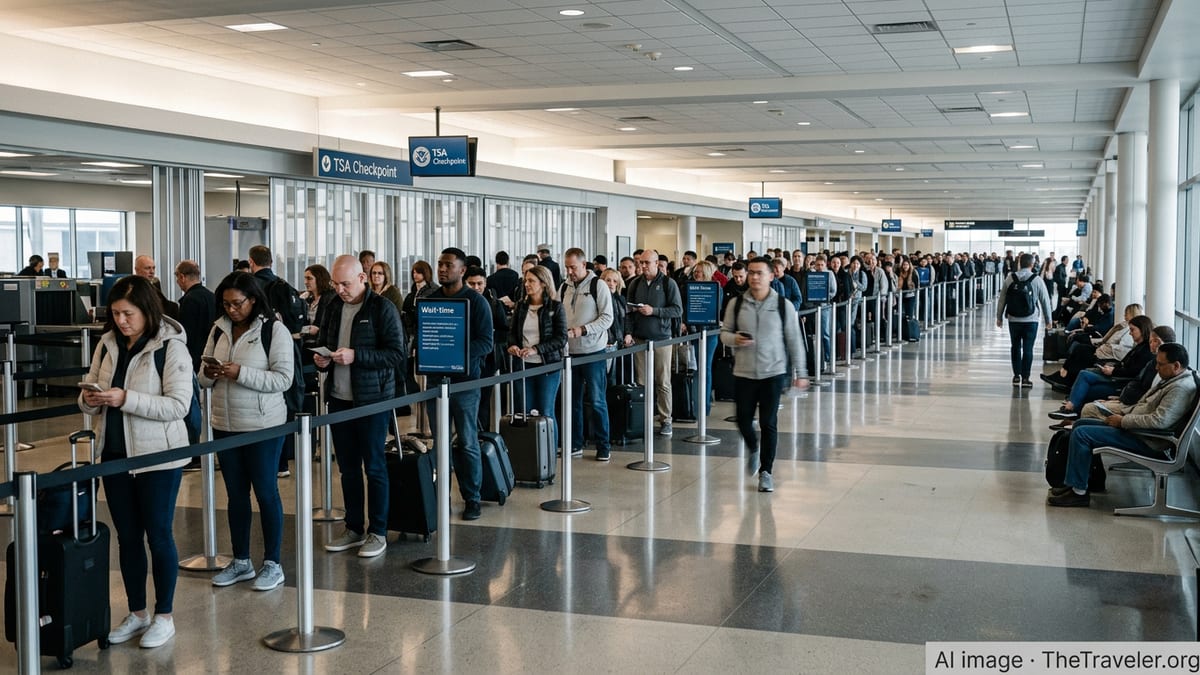
Major Hubs See Mounting Delays and Cancellations
The latest disruptions are concentrated at Moscow’s main airports, together with St Petersburg’s Pulkovo and key southern and regional gateways including Sochi, Kazan and Novosibirsk. Flight-tracking dashboards and airport status boards on June 12 and June 13 indicate a sharp uptick in delayed departures and arrivals for domestic and medium-haul routes serving these cities, with knock-on effects spreading through the network.
Aggregated data from multiple monitoring platforms suggests that across Russia’s busiest corridors nearly a third of scheduled services have been running late, with delay times on some routes stretching well beyond one hour. Cancellations remain relatively limited in absolute terms, but the 12 flights removed from schedules in a short window have amplified crowding, rebooking challenges and missed onward connections.
Passengers on high-demand routes between Moscow and regional centers such as Sochi, Kazan and Novosibirsk have been particularly affected. Reports from travel forums and local coverage describe long queues at check-in and transfer desks, as airlines attempt to consolidate passengers onto fewer operating flights and prioritize aircraft where seats are still available.
Regional airports, already operating with leaner schedules, appear especially sensitive to each disruption. When a single flight to a city such as Novosibirsk or Kazan is delayed or cancelled, alternative options are limited, leaving travelers facing extended waits or overnight stays as they wait for the next available departure.
Flag Carrier Aeroflot and Subsidiaries Under Pressure
Aeroflot and its affiliated brands, including Rossiya, sit at the center of the disruption picture. Publicly available performance metrics for Aeroflot in recent days show elevated rates of late operations compared with typical early-summer patterns, with a significant proportion of flights departing behind schedule from Moscow. Even modest average delays translate into large numbers of affected travelers when applied across the airline’s dense domestic network.
Rossiya, which operates many domestic and leisure routes from St Petersburg and Moscow, has also been visible in delay statistics from airports such as Sochi and Mineralnye Vody, where shared flight numbers and codeshares highlight late-running services. Frequent schedule adjustments, aircraft substitutions and rolling departure updates have become common on information screens, signaling real-time operational strain.
The broader Aeroflot Group has been contending with capacity and fleet constraints for months, exacerbated by difficulties sourcing spare parts for Western-built aircraft and by the need to stretch the service life of existing jets. Russian media coverage in early 2026 pointed to efforts by several carriers, including Ural Airlines and Rossiya, to extend the lifespan of older Airbus, Boeing and Superjet aircraft and to bring stored Russian-built jets back into service to cover gaps in the fleet.
These long-running structural pressures mean the system has less slack to absorb day-to-day disruptions. When a technical issue, crew rotation problem or weather delay affects an individual flight, there are fewer spare aircraft and crew available to keep the rest of the schedule on track. The result is a growing risk that minor problems evolve into large-scale, multi-airport disruption, as seen in the latest wave of delays.
Fuel Constraints and Regulatory Actions Complicate Operations
The current disruption wave is unfolding against a backdrop of tightening aviation fuel supplies and heightened regulatory scrutiny of Russian airlines. Economic and energy-sector reporting over recent weeks has highlighted emerging jet fuel shortages following refinery outages and infrastructure incidents, with analysts warning that carriers may be operating with limited refueling flexibility at certain airports.
Travel-industry commentary suggests that some airlines have begun optimizing fuel loads and route structures more aggressively to cope with an uneven supply picture. In practice, this can mean tighter turnaround windows, schedule reshuffles or last-minute aircraft swaps if uplift at a given airport does not match operational needs. Each adjustment creates potential for further delay if crews, ground handling and passengers are not perfectly aligned.
At the same time, Russian aviation regulators have introduced or extended temporary operating restrictions for several carriers after inspections and safety-related incidents. Charter specialist Azur Air, for example, has faced certificate limitations in 2026, contributing to a reduced fleet and adding pressure on other airlines to absorb demand in the leisure segment. While carriers such as Aeroflot, Rossiya, Nordwind and Ural Airlines continue to operate, a more constrained overall market means there is less backup capacity available when irregular operations occur.
Temporary airspace and airport restrictions have also played a role. Recent notices have referenced limited operations or pauses at multiple regional airports, which can disrupt the usual pattern of diversions and backup routings. When weather or technical issues force an aircraft to divert, the set of viable alternates may be narrower than before, increasing the complexity of recovering the schedule later in the day.
Impact on Travelers Across Domestic and Holiday Routes
The practical impact for travelers has been significant, particularly for those using Moscow and St Petersburg as connecting hubs to reach southern resorts or Siberian cities. According to published coverage and traveler accounts, outbound holidaymakers to Black Sea destinations such as Sochi have faced long overnight delays, with some flights departing several hours after their scheduled times. Return journeys have also been affected, complicating work and school plans at the end of trips.
Business travelers on key economic corridors linking Moscow and St Petersburg with Kazan, Novosibirsk and other regional centers report increased uncertainty around departure and arrival times. Missed meetings, rearranged itineraries and additional accommodation costs are emerging as recurring themes in public posts and forum discussions. In some cases, travelers have opted for long-distance rail, despite comparable or higher ticket prices, to avoid the risk of last-minute flight cancellations.
Families and older passengers have been particularly exposed to the operational strains. Packed terminal areas, scarce seating and limited information in foreign languages have made extended waits more challenging, especially when rebooking options are not immediately clear. Travel advisers note that passengers on tightly timed itineraries, including those with onward international connections via Moscow, face the greatest potential disruption from relatively short domestic delays.
Insurers and passenger-rights advocates monitoring the situation point out that compensation frameworks and rebooking policies vary across carriers. While some airlines are offering hotel stays or meal vouchers during long delays, others are providing more limited support, making pre-trip awareness of fare conditions and coverage increasingly important.
What Travelers Should Expect in the Coming Days
Looking ahead, the available evidence points to continued volatility in Russia’s domestic aviation network, particularly if fuel supply constraints and fleet pressures persist into the peak summer period. Analysts following the sector suggest that even if the immediate spike of 195 delays and 12 cancellations subsides, schedules are likely to remain fragile, with localized disruption flaring up quickly during storms, technical checks or airspace restrictions.
Prospective travelers are being advised, in public guidance issued by travel companies and industry commentators, to build extra buffer time into their itineraries, especially when planning same-day connections in Moscow or St Petersburg. Booking earlier flights in the day, avoiding very tight layovers and remaining flexible on routing are emerging as common strategies to reduce the risk of being stranded.
Experts who track on-time performance data also highlight the value of monitoring flight status closely in the 24 hours before departure and immediately before leaving for the airport. Many Russian carriers and airports now provide relatively up-to-date schedule information through mobile apps and displays, though network disruptions or sudden operational changes can still lead to last-minute updates.
Despite the current difficulties, demand for air travel within Russia remains strong, driven by limited international options and the popularity of domestic leisure destinations. As airlines such as Aeroflot, Rossiya, Nordwind and Ural Airlines work to balance capacity, safety requirements and operational constraints, travelers across Moscow, St Petersburg, Sochi, Kazan, Novosibirsk and beyond are likely to see a summer defined by full flights, crowded terminals and, at least in the near term, a higher-than-usual risk of disruption.