


More news on this day
Russia’s already isolated aviation sector faces fresh uncertainty after Ukraine formally warned that Russian airspace is unsafe for civil aviation, intensifying pressure on foreign airlines and insurers as Moscow seeks to preserve its remaining international connections.
Get the latest news straight to your inbox!
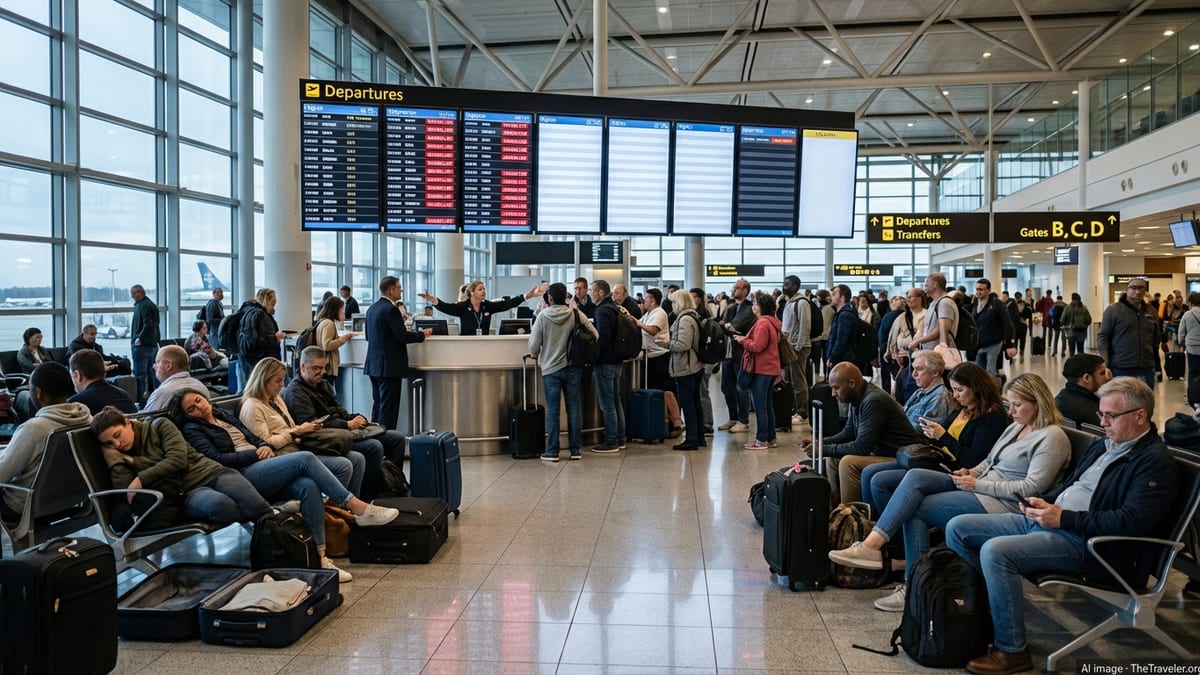
Kyiv’s Escalating Airspace Warning Targets Airlines and Insurers
Ukraine this week notified the International Civil Aviation Organization that Russian airspace should be considered unsafe for commercial flights, according to public statements from Ukrainian officials and published diplomatic correspondence. The move follows a series of long-range drone and missile strikes inside Russia and marks a bid to shift more of the war’s risk calculus onto airlines and their insurers.
Ukrainian President Volodymyr Zelensky has warned in recent days that Russian skies are becoming “completely dangerous” and that airspace over the country will be effectively closing as Ukrainian forces expand their use of drones against military and strategic targets on Russian territory. Public coverage of his comments underscores that Kyiv is now explicitly addressing aviation stakeholders, not only governments, in an effort to deter traffic to and over Russia.
Aviation risk firm Osprey Flight Solutions has reported a sustained pattern of Ukrainian drone and missile activity reaching hundreds of kilometers inside Russia, including areas around major hubs such as Moscow and St Petersburg. Its alerts indicate that strikes deeper inside Russia are expected to remain a near-daily occurrence through at least the rest of 2026, implying a prolonged period of elevated risk for civil aviation operating in or near Russian airspace.
Moscow Moves to Project Confidence as Drone Threat Grows
Russian officials have publicly insisted that air travel to and from the country remains safe, emphasizing that military air defenses and temporary flight restrictions are used to shield civilian routes from conflict-related activity. Statements reported in Russian and international media convey a desire to project continuity for passengers using key Moscow airports and other major gateways.
At the same time, publicly available data and industry reporting show that Russian regulators have repeatedly ordered short-notice airspace closures and reroutings around major cities in response to drone incursions since the beginning of the year. Previous waves of restrictions around Moscow and other hubs have disrupted tens of thousands of passengers, according to Russian tour operator associations, highlighting the fragility of air links that remain open.
Analysts who track Russian aviation using open-source flight and air-defense data say that the country is increasingly forced to juggle its civil schedules with expanding air-defense zones as Ukrainian strikes probe deeper into its territory. This balancing act is becoming more complex as the war enters its fifth year, creating new operational challenges for air traffic controllers and airlines seeking to maintain punctuality and predictable routings.
Foreign Carriers Weigh Routes, Risk Premiums and Detours
Despite Western sanctions that ended most European and North American services to Russia in 2022, a sizable group of airlines from the Middle East, Asia and parts of Africa continues to serve Russian destinations or use segments of its airspace for overflights. Public schedule data and aviation industry coverage list carriers such as Emirates, Turkish Airlines, Qatar Airways, Chinese airlines and several regional operators among those still linking Russian cities with hubs in Dubai, Istanbul, Doha and beyond.
Ukraine’s formal warning to ICAO, and its parallel public appeal to insurers, is designed in part to increase the cost and complexity of those operations. Aviation underwriters use state notifications and conflict-risk assessments when pricing war-risk premiums, and any perception of heightened danger over Russia could translate into higher insurance costs or stricter coverage terms for airlines that keep flying there.
Analysts quoted in recent industry reports note that some carriers already favor detours using Central Asian, Caucasus or Middle Eastern corridors to avoid the most sensitive sections of Russian airspace. However, traffic data from regional air navigation providers suggests that overall capacity on these alternative routes is limited and under mounting pressure from multiple conflicts that have reshaped air traffic over Eastern Europe and the Middle East since 2022.
Russian Travelers Confront Shrinking Networks and Reliability Strains
For Russian travelers, the latest warnings come on top of a steep reduction in available international routes over the past several seasons. Trade groups in Russia’s tourism sector have acknowledged that domestic airlines now serve fewer overseas destinations than Soviet-era carriers did during parts of the Cold War, underscoring how sanctions and war-related risk have narrowed choices.
Industry analyses describe a network increasingly reliant on a handful of foreign gateways in countries that have maintained air links with Russia. Flights to hubs such as Istanbul, Dubai and select Asian cities have taken on outsized importance for Russian passengers seeking onward connections to the rest of the world. Any further pullback by foreign carriers or tightening of insurance conditions could therefore have a disproportionate impact on Russia’s remaining global connectivity.
Meanwhile, Russia’s domestic aviation system continues to face its own wartime pressures, including parts shortages for Western-built aircraft and heightened regulatory scrutiny of maintenance standards. Public inspection data and local reporting have pointed to a growing number of aircraft flagged for technical issues in recent years, adding another layer of uncertainty for travelers at a time when international options are already curtailed.
Global Airspace System Braces for Possible Re-routing Shock
Beyond Russia and Ukraine, the stakes are significant for the broader aviation network. Large portions of Russian airspace sit astride efficient great-circle routes between Europe and Asia. If more airlines decide that risk and insurance costs are too high to justify transit across Russia, traffic is likely to intensify along longer, more southerly or northerly paths that are already absorbing detours around other active conflict zones.
Experts interviewed in recent analyses warn that alternative corridors across Central Asia, the Middle East and the Arctic have limited spare capacity, with air traffic controllers and airlines already managing congested skies and complex overflight permissions. Additional diversions around Russian territory could mean longer flight times, higher fuel burn and potentially higher ticket prices on some intercontinental routes.
For now, the response from airlines serving Russia appears cautious but incremental, with carriers closely monitoring risk advisories, military activity and any further formal steps by Ukraine or international aviation bodies. The next phase will likely depend on whether drone and missile strikes near major Russian hubs intensify, and on how strongly insurers react to Kyiv’s call to treat Russian airspace as unsafe for civilian traffic.
Ukraine formally warns airlines Russian airspace is unsafe – Euronews
Russia says it will not let Ukraine disrupt air travel – The Moscow Times
Can Ukraine’s drones shut Russian airspace – Al Jazeera analysis
Ukraine’s plan to close Russia’s airspace – Kyiv Independent
Ukraine warns international airlines over risks of flying to Russia – Aviacionline