


More news on this day
In 2026, a patchwork of geopolitical safety advisories and elevated crime ratings across parts of the Caribbean is beginning to reshape where travelers go, how they move around islands, and which excursions they are willing to book.
Get the latest news straight to your inbox!
Advisory Levels Become a Core Trip-Planning Tool
Publicly available government advisories, particularly those issued by the United States Department of State, have become central to how many travelers evaluate Caribbean trips. The tiered system, which ranges from Level 1 guidance to exercise normal precautions to Level 4 notices advising against travel, is increasingly influencing destination selection, insurance purchases, and family travel decisions. Travelers are not only checking overall country ratings but also paying closer attention to the specific risk categories cited, including crime, civil unrest, and infrastructure constraints.
Recent advisory updates for major tourism markets in the region have highlighted the complexity of risk. Some islands with long-standing reputations for leisure travel continue to sit at lower levels, while others face higher classifications tied to violent crime or localized instability. Travel industry analysis suggests that even when overall visitor numbers remain strong, a shift is under way in the composition of those visitors, with more experienced travelers and packaged-tour customers willing to adapt plans in response to new information, while more risk-averse segments pivot toward lower-rated alternatives.
Travel information services and consular agencies have also intensified efforts to guide travelers toward formal registration programs that deliver destination-specific alerts before and during a trip. These tools, which generate email or app notifications when advisories change, are contributing to more dynamic, real-time decision-making. Tour operators report that clients increasingly arrive already aware of advisory levels and prepared with detailed safety questions about ports of call and shore activities.
This shift means that safety ratings are no longer just background context for governments and industry planners. Advisory levels, and the rationale behind them, have effectively become consumer-facing labels that can redirect demand from one island or port to another within a single booking cycle.
Crime Concerns Reshape On-the-Ground Behavior
Elevated crime ratings in some Caribbean destinations are not halting travel outright, but they are changing how visitors behave when they arrive. Published coverage on regional tourism trends indicates that travelers are moving away from unstructured independent exploration in higher-risk urban centers and toward curated, vetted excursions that emphasize controlled environments, private transportation, and clear security protocols. In many cases, that means spending more time in resort corridors, cruise terminals, and designated beach areas, and less time wandering beyond established tourism zones.
Reports focusing on major tourism hubs where violent crime has drawn international attention show that hotel districts and resort areas often maintain a significantly different security profile from surrounding neighborhoods. As a result, travelers are rebalancing their itineraries, cutting back on nighttime outings away from resort areas, and relying more heavily on transportation arranged through hotels or cruise lines. Some visitors are opting to skip informal taxi hires and street-side tour offers, even where those were once common parts of the Caribbean experience.
Advisories and media coverage are also affecting decisions about specific types of excursions. Activities that require travel through or near neighborhoods perceived as higher risk are facing increased scrutiny, while boat-based or resort-based experiences that keep visitors within a defined footprint are holding or gaining popularity. Industry observers note a rise in demand for private, small-group shore tours with clear vetting standards, along with a growing market for travel insurance products that specifically address cancellations or changes triggered by safety conditions.
For local guides and small operators, the change in traveler behavior poses both challenges and opportunities. Businesses that can demonstrate robust safety practices and transparent logistics are better positioned to continue attracting cautious visitors, while operators less able to document their standards may find it harder to compete with excursions bundled by large international brands.
Itinerary Changes Highlight Cruise Sector Sensitivities
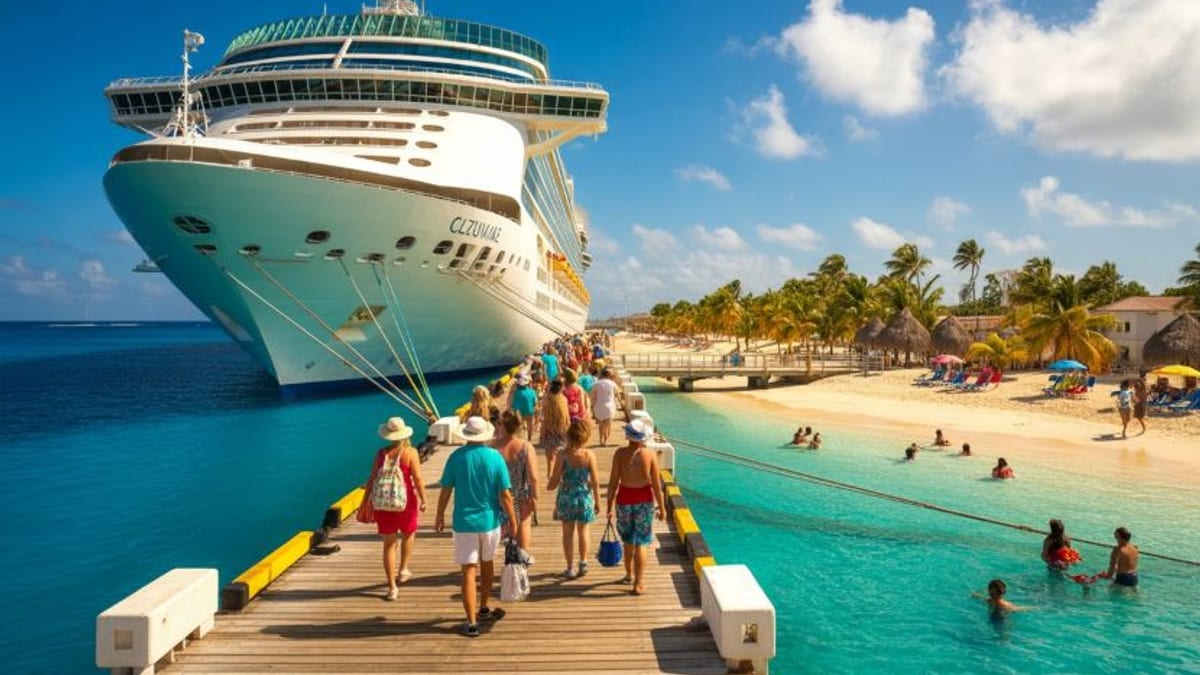
In the cruise segment, safety advisories and crime-related concerns have translated into visible itinerary changes across parts of the Caribbean. Public schedules and industry coverage show that cruise lines have adjusted or suspended calls at ports in areas experiencing heightened civil unrest or sustained violent crime, particularly where national advisory levels remain at the highest thresholds. Some private-enclave stops, once marketed as insulated from broader national conditions, have been removed from itineraries for at least part of 2025 and 2026 as operators reevaluate risk.
These decisions are often framed by cruise companies as precautionary measures informed by evolving security assessments. Ships have substituted alternative Caribbean ports, from well-established hubs to emerging destinations, in order to preserve regional itineraries while avoiding locations associated with elevated danger ratings. Passengers booked months in advance are increasingly receiving notifications that a planned call has been replaced, sometimes by islands that carry lower overall advisory levels or more stable security environments.
The pattern underscores how sensitive cruise planning has become to geopolitical and crime-related signals. Cruise travelers now commonly check both advisory levels and recent news before confirming routes, and travel forums reflect growing awareness that itineraries in certain parts of the region may remain fluid. The resulting flexibility has allowed the broader Caribbean cruise market to remain resilient, but it has also concentrated economic benefits in ports perceived as safer, while prolonging recovery for destinations still grappling with security challenges.
For ports that lose calls, even temporarily, the impact can be significant, particularly where cruise tourism represents a large share of local income. Analysts note that repeated changes tied to security conditions can influence long-term infrastructure investment decisions, as lines weigh the cost of developing facilities in areas where access may remain uncertain.
Contrasts Within the Region Drive Destination Substitution
Despite prominent headlines about crime and instability, recent tourism data and expert commentary emphasize that much of the Caribbean continues to be rated at the lower end of advisory scales, with guidance to exercise normal or increased caution rather than to avoid travel entirely. This uneven risk landscape is encouraging what analysts describe as destination substitution: travelers who might once have chosen a higher-risk island are instead booking trips to neighboring jurisdictions with more favorable safety profiles.
Reports examining tourism flows in 2024 and early 2025 show that countries with comparatively stable political environments and lower crime metrics are benefiting from this shift. Established resort markets with strong aviation links and recognizable brands are capturing visitors who still want a Caribbean holiday but prefer locations where crime is less frequently highlighted in international advisories. Smaller islands and territories that can demonstrate reliable policing in tourist zones, transparent incident reporting, and coordinated crisis communication are also positioned to attract cautious travelers.
Governments and tourism boards across the region are responding by closely monitoring how their advisory levels evolve and by promoting crime-prevention initiatives aimed at both residents and visitors. Some official communications have sought to contextualize advisory ratings, emphasizing that many major tourism centers worldwide now sit at Level 2, where visitors are encouraged to remain vigilant but are not advised to cancel travel. These messages highlight investments in surveillance, community policing, and tourism-security partnerships as a way to reassure travelers and tour operators.
At the same time, local tourism stakeholders acknowledge that even temporary elevation in risk ratings can influence booking behavior months into the future. That reality is pushing authorities and industry players to focus on long-term reductions in violent crime, as well as on building transparent reporting systems that can demonstrate progress to international audiences and, ultimately, shift advisory language in a more favorable direction.
Excursion Planning Moves Toward Risk Management Mindset
The cumulative effect of geopolitical advisories and crime concerns is a more risk-aware approach to excursion planning among Caribbean travelers in 2026. Itineraries that were once built primarily around price and scenery now often incorporate security considerations, such as distance from high-risk neighborhoods, availability of secure transportation, and access to reliable medical facilities. Travel advisors report that clients are increasingly willing to pay a premium for organized excursions that include clear safety briefings, vetted guides, and guaranteed transport back to ports and hotels.
Travelers are also showing greater interest in pre-trip research that extends beyond traditional destination marketing. They are reviewing government advisories, scanning recent news coverage, and consulting online communities for real-time accounts of security conditions. For many, the goal is not to abandon the Caribbean but to align desired experiences with an acceptable level of risk, whether that means focusing on nature reserves and marine parks, choosing daytime city tours with reputable operators, or structuring stays within gated resort complexes.
Industry observers suggest that this evolving mindset is likely to persist, even if advisory levels moderate in some destinations. As awareness of geopolitical and security dynamics grows, Caribbean tourism is entering a phase in which risk management sits alongside climate resilience and sustainability as a core planning concern. For travelers, that translates into more deliberate destination choices and more carefully curated excursions. For regional tourism economies, it reinforces the importance of long-term investments in safety, transparency, and communication to ensure that visitors continue to view the Caribbean as both a desirable and a responsibly managed place to explore.