


More news on this day
San Diego is riding a powerful travel boom, with fresh figures showing tens of millions of visitors, rising hotel occupancy and record spending that is reshaping California’s southern coastline into one of the most sought-after coastal escapes in the United States.
Get the latest news straight to your inbox!
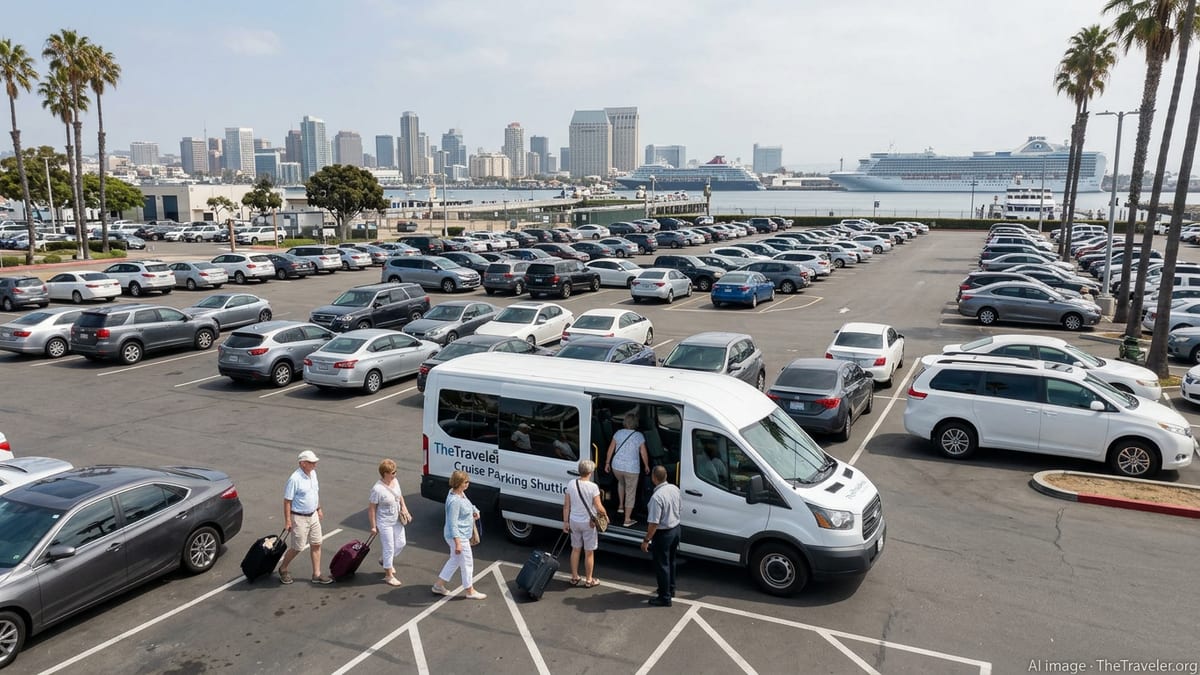
Visitor Numbers Surge Along California’s Southern Coast
Recent industry data indicates that San Diego welcomed roughly 32 million visitors in the latest full fiscal year, reinforcing its status as one of California’s busiest coastal destinations. Tourism reports describe a steady climb from the pandemic downturn, with the city now not only matching but in several metrics surpassing pre-2020 performance as travelers return in large numbers to the region’s beaches and waterfront neighborhoods.
Estimates compiled for local tourism agencies show that visitor spending has reached well into the tens of billions of dollars annually, with one widely cited fiscal year tally placing direct visitor spending at around 14 billion dollars across San Diego County. Analysts note that this wave of demand has been driven both by domestic travelers seeking mild year-round weather and by renewed interest from international markets using San Diego as a jumping-off point for broader California and Baja California itineraries.
Industry research published by the San Diego Tourism Authority outlines how overnight visitors account for a large share of the economic impact. Millions of travelers are opting for multi-night stays in hotels, vacation rentals and private accommodations, a pattern that has intensified since 2023 as visitors extend trips to explore more of the coastline, craft beer scene and cultural institutions.
Tourism economics forecasts produced for local marketing districts suggest the trend is set to continue, with projections for 2025 pointing to modest but sustained growth in both overall visitor numbers and per-trip spending. That outlook is helping to underpin new investment in hotels, attractions and transportation infrastructure throughout the metropolitan area.
Hotels Fill Up as Coastal Experiences Drive Demand
The travel boom is particularly visible in the hotel sector, where occupancy rates have climbed back into the low to mid-70 percent range on an annualized basis, placing San Diego among the stronger large hotel markets in the western United States. Fast-facts compilations from destination marketers indicate more than 17 million hotel room nights sold in the city over a recent twelve-month period, with average occupancy above 72 percent and trending higher in 2024 and early 2025.
Operators report that peak nights tied to major events and summer holidays regularly push coastal properties close to full capacity. Beachfront neighborhoods such as Pacific Beach, Mission Beach and La Jolla are seeing robust leisure demand, while downtown convention hotels benefit from the return of large-scale gatherings, including Comic-Con International and medical and technology conferences at the convention center.
Average daily room rates have also moved upward, reflecting both inflation and travelers’ willingness to pay a premium for ocean views, rooftop pools and walkable access to nightlife districts like the Gaslamp Quarter and Little Italy. Publicly available budget analyses for the city show that hotel taxes generated more than 300 million dollars for the municipal general fund in the latest reported fiscal year, underscoring the importance of lodging performance to local finances.
Tourism observers say that, while some softening has appeared in select midweek and shoulder-season periods, particularly among value-focused travelers, the broader pattern still points to healthy demand. Industry forecasts produced in early 2025 anticipate incremental gains in occupancy as new air routes and marketing campaigns continue to target high-spending leisure and group segments.
Airport Growth Opens the Gateway to New Markets
San Diego International Airport’s expanding passenger volumes are another sign of the city’s travel momentum. Public aviation statistics show the airport handling roughly 24 million passengers in 2023 and surpassing 25 million in 2024, marking one of the strongest stretches of growth in its history and placing the facility among the busiest airports in California.
Scheduled service patterns for the 2024 to 2025 period highlight a diverse mix of domestic and international routes linking San Diego directly to major hubs across the United States, Canada and Mexico, as well as select long-haul destinations. Travel industry coverage notes that nonstop flights to beach destinations such as Los Cabos, along with connections to European and Pacific gateway cities via partner hubs, make it easier for international visitors to fold San Diego into multi-stop itineraries.
The airport’s ongoing terminal redevelopment, widely reported in regional transportation updates, is expected to further enhance capacity and passenger experience later this decade. Industry analysts suggest that improved gate layouts, upgraded security checkpoints and expanded concessions could support additional airlines and routes, reinforcing San Diego’s role as a gateway to California’s southern coastline.
Airport trends align with broader national surveys from travel research organizations showing that California remains one of the most desired states for leisure trips. Within that context, San Diego benefits from its reputation as a more relaxed alternative to Los Angeles and San Francisco, with a compact airport that feeds directly into the downtown waterfront in a matter of minutes.
Experiential Travel and Coastal Lifestyle Power the Boom
Beyond raw numbers, the character of San Diego’s travel boom reflects shifting consumer preferences toward experiential, wellness-focused and outdoor-oriented trips. National travel surveys for 2024 describe strong interest in beach destinations that combine accessible nature with food, culture and nightlife, a profile that closely matches San Diego’s mix of surf breaks, urban neighborhoods and regional attractions.
Local tourism research highlights Balboa Park’s museums and gardens, the San Diego Zoo, craft breweries and the revitalized waterfront as key draws for visitors who increasingly bundle classic sightseeing with activities such as coastal hiking, whale watching, stand-up paddling and culinary tours. Neighborhoods like North Park, South Park and Barrio Logan, long known to residents, are featuring more prominently in destination marketing as travelers seek what they perceive to be authentic, locally rooted experiences.
Year-round mild weather means the high season in San Diego stretches longer than in many coastal markets, allowing hotels and attractions to capture shoulder-season demand and short-notice getaways. Travel media coverage frequently positions the region as a “California coastal paradise” that delivers summer-style experiences even in winter months, helping to smooth out seasonal swings and support consistent employment in the hospitality sector.
Industry observers also point to social media visibility as a driver of the current boom. Drone shots of beaches, sunset pier walks and rooftop pool scenes have featured heavily in destination campaigns and user-generated content, reinforcing the city’s image as a place to chase a laid-back, sun-drenched coastal lifestyle.
Managing Growth, Affordability and Sustainability
The strength of San Diego’s tourism economy is not without challenges. Public budget documents and policy analyses underline concerns around housing affordability, labor costs and the environmental impact of continuous visitor growth. As hotels, vacation rentals and short-term stays multiply, some residents and advocacy groups have raised questions about pressure on local neighborhoods and the availability of long-term housing.
Studies commissioned for city agencies and hospitality policy reviews examine how higher minimum wages for hotel and service workers may affect room rates and operating margins, even as labor organizations argue that wage gains are necessary to keep pace with the region’s rising cost of living. Analysts note that any significant slowdown in visitor demand could expose vulnerabilities in a market where local government relies heavily on hotel taxes to fund core services.
Environmental considerations are also moving to the foreground. Coastal erosion, sea-level rise and beach water quality are recurring themes in state and regional planning documents, with transportation agencies exploring how coastal infrastructure and public transit can support both residents and visitors while reducing congestion. Tourism planners increasingly reference concepts such as “responsible travel,” encouraging visitors to use public transport where possible, respect beach environments and patronize local businesses.
Despite these headwinds, forward-looking tourism forecasts remain positive, projecting further, if more measured, growth in visitors and spending over the next several years. For now, San Diego’s combination of oceanfront scenery, cultural depth and steadily improving access appears to be capturing the imagination of millions, cementing its position as one of California’s standout coastal success stories.