

More news on this day
A prolonged early-summer heatwave across the southern United States is beginning to disrupt daily life, with scattered school closures, altered class schedules and new travel advisories as forecasters warn that dangerous temperatures will linger through the week.
Get the latest news straight to your inbox!
Record heat grips classrooms across the South
Publicly available forecasts from the National Weather Service indicate that large parts of Texas, the Deep South and the Southeast are facing another stretch of triple-digit heat indices, with afternoon readings forecast to exceed 105 degrees Fahrenheit in several metro areas. Extreme heat warnings and advisories have been issued on a rolling basis for interior Texas, parts of the lower Mississippi Valley and sections of the Carolinas, reflecting a heat risk more typical of mid-July than late June.
Local coverage in cities across the region describes classrooms struggling to stay within safe temperature ranges, particularly in older buildings and portable units that rely on aging or undersized cooling systems. In districts where facilities audits have flagged poor ventilation or limited air conditioning, administrators have begun shifting to virtual instruction days, shortening in-person schedules or cancelling afternoon activities when models show heat indices climbing into the high 100s.
Reports from education-focused outlets and regional newspapers note that decisions vary widely from one district to the next, often depending on building conditions and the availability of cooling centers. Some school boards have opted for early dismissals so that students are not riding school buses during the hottest hours of the day, while others have moved exams into cooler morning windows to reduce the risk of heat-related illness among students and staff.
Education advocates in several southern states are using the latest heatwave to renew calls for systematic investment in school infrastructure, citing climate assessments that project longer, more frequent episodes of extreme heat in the coming decades. They argue that closures and schedule disruptions are likely to become more common unless buildings are upgraded to handle prolonged temperature spikes.
Travel warnings as roads, rails and airports feel the strain
The same dangerous heat that is closing classrooms is also affecting travelers, with transportation agencies across the South issuing advisories urging people to adjust plans or allow for delays. Highway authorities are warning of increased risks of tire blowouts, overheating engines and pavement damage during peak afternoon hours, and are encouraging drivers to carry extra water and check coolant levels before setting out.
Rail operators in several southern corridors have published alerts about potential speed restrictions where high rail temperatures increase the risk of track deformation. In previous heatwaves, such measures have led to slower regional and intercity services, and current notices suggest that similar precautions may be used again if trackside sensors register prolonged exposure to extreme temperatures.
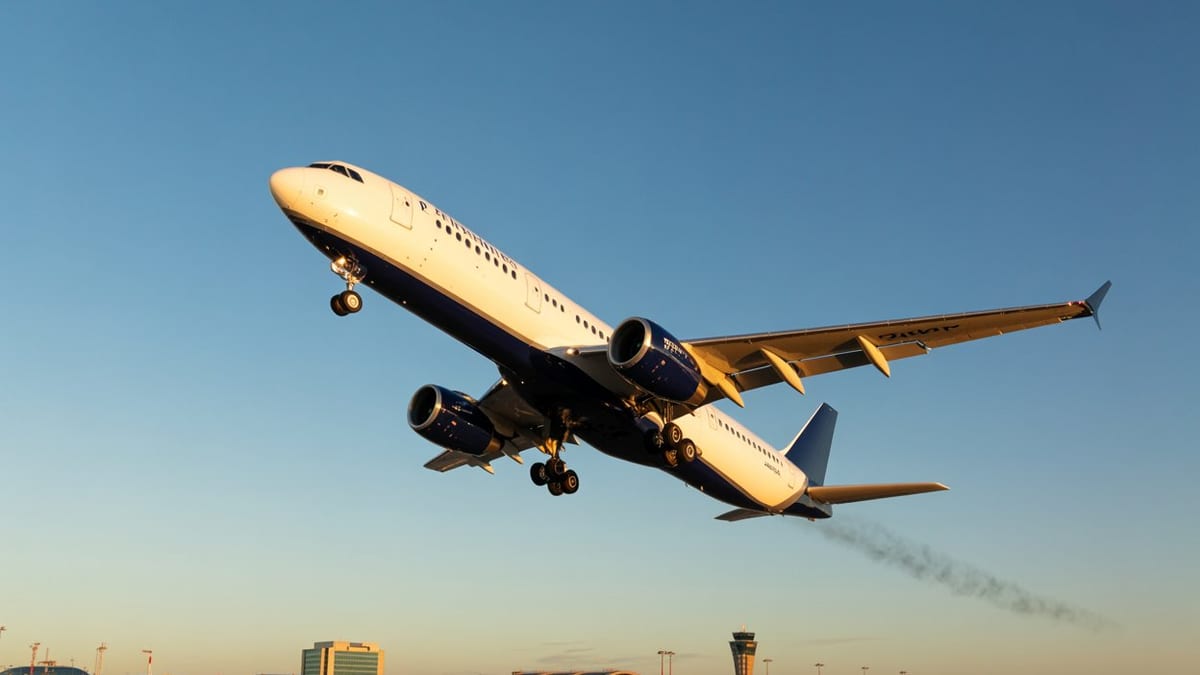
Air travel has faced its own set of challenges. Aviation analysts point out that very high surface temperatures can affect aircraft performance, particularly at smaller regional airports with shorter runways, occasionally requiring weight restrictions or minor schedule changes on the hottest afternoons. While major southern hubs are largely operating on normal timetables, airlines have been updating guidance to passengers, advising them to monitor flight status frequently and to prepare for heat at the curb and on airport access roads.
Travel industry reports describe hotels in some popular southern destinations promoting shaded pool areas, misters and flexible check-in arrangements as visitors arrive from cooler regions and encounter the intensity of the current heatwave for the first time. Tour operators are adjusting excursion times to earlier morning or late evening slots, when conditions are less extreme.
Health concerns drive policy debates on heat days
Medical and climate briefings available from public health agencies emphasize that extended periods of high temperature can be particularly dangerous for children, older adults and people with pre-existing health conditions. Heat advisories issued for the South in recent seasons have repeatedly highlighted the risk of heat exhaustion and heat stroke during routine activities such as walking to school, waiting at bus stops or commuting without air conditioning.
Recent guidance documents for schools and childcare centers in states such as Texas, Florida and South Carolina urge staff to monitor indoor temperatures, limit strenuous outdoor activities and ensure frequent access to cool water. Recommendations also encourage the use of shaded areas, reconfigured recess schedules and designated “cool rooms” in buildings where only certain wings are air conditioned.
As districts weigh whether to call so-called heat days, similar to traditional snow days, education policy discussions are broadening to include long-term learning impacts and equity concerns. Families in low-income neighborhoods may be more reliant on school buildings for safe, cooled spaces, while also facing higher energy costs at home when heatwaves persist. Public commentary from parent groups reflects a tension between keeping students safe and avoiding additional lost instructional time following several years of weather and pandemic disruptions.
Public health commentators underline that, in many southern communities, nighttime temperatures are staying unusually warm, leaving little opportunity for buildings or outdoor surfaces to cool. This pattern raises the baseline risk for heat-related illness during daytime activities and intensifies the need for clear communication about closures, modified schedules and available cooling centers.
Forecasts point to continued disruptions to summer plans
Seasonal outlooks from federal and regional climate centers suggest that hotter than average conditions are likely to persist across much of the southern tier of the United States through the rest of June and into July. While individual heatwaves may wax and wane, the general pattern of elevated temperatures increases the odds of further school schedule changes, particularly for summer programs and enrichment camps that operate in older facilities.
Travel planners are also watching the forecasts closely. Tour companies and event organizers in southern states are building more flexibility into itineraries, with contingency plans for shifting outdoor activities to indoor venues or rescheduling them to earlier or later in the day if excessive heat warnings are issued. Some conferences and sporting events have already signaled that they may adjust start times or expand shaded seating in response to the latest heat trends.
For individual travelers, route decisions are becoming more weather-dependent. Road trippers are advised in public guidance to avoid crossing long stretches of exposed highway during the midafternoon, while visitors moving between coastal destinations and inland cities are being reminded that heat indices can climb significantly higher away from sea breezes. Travel insurance providers, meanwhile, are updating consumer guidance to clarify how extreme temperature events are treated under trip disruption policies.
With climate assessments projecting that episodes of extreme heat in the South will become more frequent and intense, urban planners and travel industry analysts expect that both education calendars and tourism patterns will need to adapt. The current heatwave is offering a preview of the kinds of operational decisions, communication strategies and infrastructure investments that may become routine in the years ahead.
Practical advice for travelers navigating the southern heat
Publicly available safety recommendations from meteorological and emergency management agencies stress that anyone traveling in the South during a heatwave should prioritize hydration, shade and timing. Travelers are encouraged to plan outdoor sightseeing or long walks for early morning or after sunset, to wear light, loose-fitting clothing and to take frequent breaks in air-conditioned spaces.
Guidance for those using public transport highlights the importance of carrying water on buses and trains that may lack strong air conditioning, and of checking for service alerts related to heat restrictions on rail lines. Drivers are urged to test vehicle air conditioning systems before long journeys, to store emergency water and to avoid leaving children, older adults or pets inside parked vehicles, even for short periods.
Hotels and rental hosts in many southern cities are sharing local heat advisories with guests at check-in, along with suggestions for nearby indoor attractions such as museums, aquariums and shopping centers that can provide respite from the hottest hours. Travel commentators recommend that visitors build flexibility into their itineraries, allowing for midday rest periods back at their accommodations rather than back-to-back outdoor activities.
As the heatwave continues, travel experts note that conditions can change quickly from one day to the next. Checking local forecasts, heat indices and any new advisories before setting out each morning has become as essential for visitors to the South as monitoring hurricane outlooks later in the season.