


Yacht charter has quietly gone mainstream. Instead of knowing a captain in the marina, you can now book a sailing yacht in Croatia or a motor cruiser in Florida almost as easily as a vacation rental. Two of the names you are likely to encounter when planning a trip at sea are SEARADAR and Borrow A Boat. Both promise thousands of boats and easy online booking, but they are built for slightly different types of travelers. Understanding how they work in practice can save you money, time and stress when you finally step aboard.
Get the latest updates straight to your inbox!
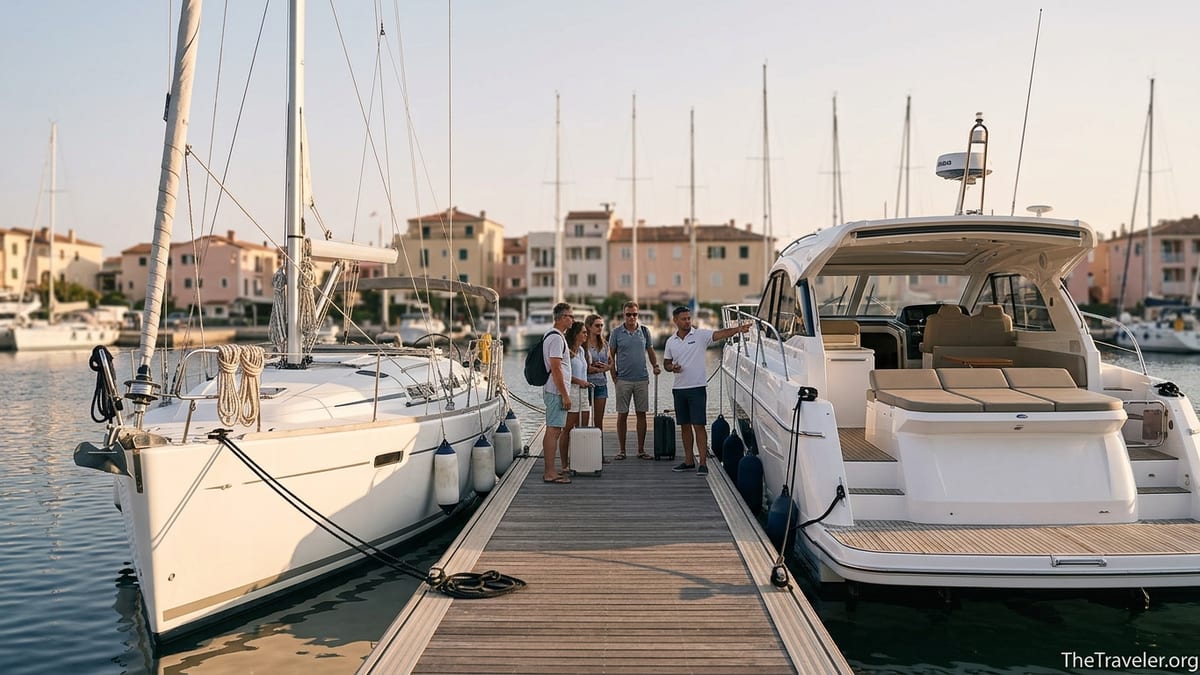
SEARADAR and Borrow A Boat at a Glance
SEARADAR positions itself as a yacht booking concierge rather than just a searchable marketplace. You submit a request with your dates, destination and experience level, and the team then sends you tailored yacht offers, often via email or messaging apps. The platform focuses strongly on bareboat and skippered sailing yachts and catamarans in classic charter hubs such as Greece, Croatia, Italy and the Caribbean, and emphasizes support before and during the trip.
Borrow A Boat is a broader self-service marketplace. According to the company, it lists more than 50,000 boats across over 65 countries, from canal boats and narrowboats in the United Kingdom to motor cruisers in Florida and luxury yachts in the Mediterranean. You browse and filter boats directly on the website or app, then send booking requests to owners and charter operators and manage most of the process online.
This difference in philosophy shapes the entire experience. SEARADAR feels closer to working with a traditional charter broker who does the shortlisting for you, but using modern digital tools. Borrow A Boat feels more like an online travel agency, similar in spirit to large vacation rental sites, where you have full control over the search and comparison process but a little less handholding.
In practice, that means SEARADAR often appeals more to people planning a first Mediterranean bareboat or skippered charter who want expert guidance, while Borrow A Boat tends to attract confident planners who enjoy browsing a huge inventory, including day boats, canal boats and crewed yachts beyond the sailing world.
How Each Platform Works in Real Life
On SEARADAR, the usual journey begins with a simple inquiry rather than a direct booking. For example, a group of four friends planning a one week trip in late September from Athens might specify that they are comfortable with a 38 to 42 foot sailing yacht and have one experienced skipper on board. SEARADAR’s team then searches partner fleets and responds with a short list that could include, say, a 2020 Bavaria 41 with three cabins and a 2019 Oceanis 40.1, both priced within a certain range, highlighting which marinas they depart from and what extras, such as outboard engine or early check in, are available.
This process can feel personal and responsive. Reviews on major platforms frequently mention named managers who stay with the customer from first quote to check out, answering questions about route planning, insurance requirements and security deposits. Travelers also mention that SEARADAR will help navigate issues such as last minute boat changes or technical problems, though not every experience is perfect and some reviewers report frustration when replacement boats did not match their expectations.
Borrow A Boat, by contrast, starts with search. A family planning a three day powerboat escape from Miami in winter would typically enter their dates, group size and rough budget, then filter by boat type and features. The platform might show a 30 foot center console for day trips alongside 45 foot flybridge motor yachts suitable for overnight cruising. Each listing usually includes photos, a description, cabin layout, rough price for the chosen period and information on whether a skipper is included or can be added.
Once you find a suitable option on Borrow A Boat, you submit an inquiry or booking request and then communicate with the owner or charter company through the platform. Some users praise how straightforward this feels, especially for simple day charters or well known fleets in the Mediterranean and Caribbean. Others note that, as with any large marketplace, the level of responsiveness can vary between individual operators, which makes it important to pay attention to reviews and communication speed before paying a deposit.
Destinations, Fleet Types and Who They Suit
Both platforms cover the big name yachting regions, but with different emphases. SEARADAR is heavily oriented toward classic yacht charter destinations such as the Greek Ionian and Cyclades, Croatia’s Dalmatian coast, Italy’s Amalfi and Sicily, Spain’s Balearic Islands and a curated selection of Caribbean bases. In these areas, SEARADAR typically works with established local charter operators that run fleets of monohull sailing yachts and catamarans from shared marinas.
Borrow A Boat has a wider geographic footprint and a more varied fleet. Alongside Mediterranean and Caribbean bases you will find inland waterways and lakes, including narrowboats on British canals, cabin cruisers on French rivers and houseboats in the Netherlands. There are also listings in North American hotspots such as Florida, the Pacific Northwest and parts of the Great Lakes, plus pockets of Asia and the South Pacific. This breadth makes Borrow A Boat an appealing choice if your trip idea is less about traditional yacht cruising and more about, for example, a canal holiday or a day out on a lake while visiting relatives.
In terms of boat types, SEARADAR is strongest in sailing yachts and catamarans from well known builders such as Jeanneau, Beneteau, Bavaria and Lagoon, typically in the 34 to 50 foot range that works well for groups of four to ten people. Borrow A Boat offers these too, but adds a much larger selection of small motorboats, RIBs, fishing boats, canal boats and high end luxury yachts with full crews.
For a bareboat skipper planning a one week itinerary from Split on a 42 foot sailing yacht with two couples on board, SEARADAR’s curated sailing focus and concierge style assistance will likely feel like a good fit. For a multi generational trip that starts with a few canal days in England and ends with a skippered catamaran week in the BVI, Borrow A Boat’s variety and self service search might prove more useful.
Price Levels, Fees and Realistic Budgeting
Charter pricing varies widely based on boat size, age, season and destination. In both SEARADAR and Borrow A Boat, you can expect a basic 38 to 40 foot monohull yacht in shoulder season in Greece or Croatia to sit in the rough range that many travelers describe as mid range vacation pricing rather than ultra luxury. Prime season weeks in July and August, especially for newer catamarans around 45 feet, will push that cost up significantly and can easily match or exceed the cost of a high end resort stay for a small group.
SEARADAR typically quotes a package price from partner charter companies that includes the yacht, standard equipment and mandatory end cleaning or service fees. On top of that, you should budget for security deposit, fuel, marina fees, tourist taxes and any optional extras such as outboard engines, paddleboards or Wi Fi routers. Travelers often highlight that SEARADAR’s managers will outline these expected extras during the quoting stage, which makes it easier to compare offers between fleets.
Borrow A Boat works more like a marketplace, so fee structures can differ between listings. Some Mediterranean yachts list a base price plus compulsory extras such as transit log and cleaning, while a narrowboat holiday in England might include fuel and mooring in the daily rate. A day charter of a motorboat in Miami could be priced hourly or for a half day, with skipper and fuel either included or charged separately. When comparing options on Borrow A Boat, it is particularly important to read the inclusions section carefully and, where needed, ask the operator for a breakdown of estimated fuel and marina costs for a planned itinerary.
Both platforms generally process payments in stages, starting with a deposit to secure the booking and a balance payment closer to departure. Many travelers pay by card or bank transfer, depending on currency and region. Because yacht charters involve higher sums than typical hotel bookings, it is wise to confirm cancellation terms and what happens if the operator has to substitute a boat, especially during busy weeks when replacement options may be limited.
Support, Reliability and Real-World Experiences
Customer reviews for SEARADAR often highlight responsive pre-trip communication and a sense of having a named contact who helps navigate documentation, check in procedures and route planning. Some reviews describe situations where boats developed technical issues or had to be changed shortly before departure, which is an inherent risk in yacht charter, but praise SEARADAR for mediating with local fleets, arranging alternatives or negotiating compensation when appropriate.
There are also critical voices. A minority of SEARADAR customers describe stress around multiple last minute boat substitutions or arriving to find that a replacement yacht had maintenance issues. These experiences illustrate an important truth of the industry: platforms mediate between you and the local fleet, but they do not physically maintain the boats. Even with a proactive intermediary, you remain dependent on the standards and responsiveness of the charter operator that owns the yacht.
Borrow A Boat’s reviews are more mixed simply because the platform covers such a wide range of boat types and operators. Some travelers report smooth and friendly experiences, such as booking a family narrowboat in England where the base staff patiently walked them through driving the boat, or arranging a birthday day charter in the Mediterranean that went exactly as planned. Others mention communication delays with certain operators, confusion over what was included in the price, or frustration when a boat they saw advertised was not actually available for their exact dates.
For both platforms, your best defense is diligent preparation. Carefully read recent traveler reviews for the specific boat or operator, not just the platform as a whole. Ask targeted questions in writing about the boat’s age, last major refit, what happens if something critical like the engine or air conditioning fails, and how support is handled outside office hours. The more clarity you have before paying a deposit, the smoother your experience is likely to be regardless of which site you use.
Booking Style, Skipper Options and Travel Scenarios
A key difference between SEARADAR and Borrow A Boat is how much of the legwork you want to do yourself. SEARADAR’s concierge model suits travelers who prefer to describe their ideal trip and then receive a curated shortlist. This can be especially valuable if you are new to chartering and unsure how big a yacht you really need or which base works best for your itinerary. For instance, a couple dreaming of island hopping near Athens but nervous about Aegean summer winds might be steered toward a more sheltered route in the Saronic Gulf with a slightly smaller, more manageable yacht.
Borrow A Boat appeals to planners who enjoy comparing many options. If you are comfortable evaluating boat layouts, displacement, engine power and year of build, or you simply enjoy browsing through dozens of photos, the marketplace approach gives you that freedom. A traveler who already knows they want a 45 foot catamaran in the Exumas with a professional crew, for example, can set filters accordingly and then weigh up differences in decor, water toys and crew profiles.
Both platforms accommodate a range of skipper options. On SEARADAR, you can book bareboat if you hold the required licenses, or add a professional skipper for an extra daily fee if you prefer to relax or lack experience. Many first time guests opt for a skipper at least for the first few days. Borrow A Boat lists bareboat, skippered and fully crewed charters, depending on the region and boat size. Smaller day boats in places like Miami or the French Riviera may come with a captain included, especially when local licensing rules require it.
When deciding between the two, think about your travel style. If you want a guided hand from initial idea to docking on the last day, SEARADAR’s approach will likely feel reassuring. If you prefer to take control, experiment with different dates and boats and perhaps mix in non-yacht experiences like canals and lakes, Borrow A Boat’s broad catalogue is a better playground.
Which Platform Is Better for You?
For an experienced sailor planning a straightforward bareboat charter in a classic destination such as Greece, Croatia or Sardinia, SEARADAR’s strengths in sailing yachts and its broker-like support can be compelling. You explain that you want a three cabin yacht for four people in early June, highlight your preference for a specific builder or layout, and then compare a handful of vetted offers without trawling through hundreds of listings yourself.
If your priority is choice rather than guidance, particularly across diverse boat types and regions, Borrow A Boat typically wins. A traveler planning a summer in Europe could use it to book a week on a French canal, a weekend on a motor yacht in Spain and a day of watersports from a RIB in Croatia, all through the same interface. The self service nature suits independent travelers who have time and interest to evaluate each listing.
Budget also matters. While headline prices for similar boats in the same marina are often in a similar ballpark across platforms, SEARADAR’s assistance in comparing what is and is not included can help avoid unpleasant surprises. Borrow A Boat’s huge variety, on the other hand, sometimes makes it easier to find basic, older boats or shoulder season deals that keep overall costs down, particularly for short breaks or day trips where service extras matter less than simply getting on the water.
Ultimately, many regular charterers use more than one platform, plus traditional brokers, to benchmark offers. You might start your research on Borrow A Boat to get a sense of what a 40 foot yacht in Split costs in September, then ask SEARADAR for a tailored quote that includes route advice and hands-on support. Comparing not only prices but also communication style and clarity of information is often the best indicator of which partner you will be comfortable relying on once you are somewhere between two islands and the wind starts to build.
The Takeaway
SEARADAR and Borrow A Boat both make chartering a yacht far more accessible than it used to be, yet they cater to subtly different needs. SEARADAR feels like a modern hybrid between a digital platform and a human broker, with an emphasis on sailing yachts and catamarans in flagship cruising grounds and on concierge style support. Borrow A Boat operates as a wide open marketplace, with tens of thousands of boats across many countries and categories, from canal boats to crewed luxury yachts.
Choosing between them is less about which is objectively better and more about your own travel personality. If you value having an expert in your corner who can narrow down choices and stay reachable throughout your trip, SEARADAR is likely the more comfortable fit. If you relish browsing, comparing and orchestrating each part of the experience yourself, Borrow A Boat offers the broad canvas you need.
Whichever platform you lean toward, remember that a successful charter depends on realistic budgeting, clear communication with the operator and an understanding that boats are complex machines that live in a demanding environment. Take your time reading listings, ask direct questions and keep your expectations flexible. Done right, your chosen platform will simply be the doorway to what matters most: waking up to a quiet anchorage, coffee in hand, with the day’s sailing still ahead of you.
FAQ
Q1. Is SEARADAR cheaper than Borrow A Boat for the same yacht?
Prices for similar yachts in the same marina are often in a comparable range on both platforms, but differences in included fees and extras can make one look cheaper at first glance. SEARADAR tends to present consolidated offers from charter fleets, while Borrow A Boat reflects each operator’s pricing structure individually. It is important to compare what is included, such as cleaning, transit log and taxes, before deciding which works out better for your trip.
Q2. Which platform is better for first time yacht charterers?
First timers who feel unsure about boat size, routes or documentation generally find SEARADAR’s concierge style support more reassuring, since a dedicated manager can guide them through options and requirements. Borrow A Boat can also work well for beginners, especially for simple day trips or canal holidays, but it requires more self directed research and comparison between listings.
Q3. Can I book a skipper or crew through both SEARADAR and Borrow A Boat?
Yes. On SEARADAR you can add a professional skipper to most sailing yacht and catamaran bookings if you lack the required license or simply want to relax. Borrow A Boat lists bareboat, skippered and fully crewed options depending on the region and boat size, so you can filter for boats that include a captain or full crew where needed.
Q4. How far in advance should I book on these platforms?
For popular summer weeks in destinations like Greece and Croatia, booking six to twelve months ahead gives you a much wider choice of modern yachts, especially catamarans. Shoulder season trips or day charters in less crowded regions can sometimes be arranged a few weeks or even days in advance. Both SEARADAR and Borrow A Boat can sometimes help with last minute requests, but flexibility on boat type and exact marina becomes more important.
Q5. What documents do I need for a bareboat charter?
For bareboat charters in most Mediterranean countries, at least one person on board must hold a recognized skipper’s license, and in some cases an additional VHF radio certificate. You will also need passports for all guests and may be asked for crew lists and arrival details in advance. SEARADAR typically helps verify licenses as part of the booking process, while Borrow A Boat operators will confirm documentation requirements for each listing.
Q6. Are there significant differences in cancellation policies?
Cancellation terms depend more on the underlying charter company or owner than on the platform. Some bookings are partially refundable up to a certain date, while others become non refundable once the balance is paid. Before confirming, carefully read the specific policy for your chosen boat on SEARADAR or Borrow A Boat and consider travel insurance that covers charter costs for covered reasons.
Q7. Which platform is better for non sailing trips like canals or day boating?
Borrow A Boat typically offers more variety for non sailing experiences, including narrowboats on canals, river cruisers and small motorboats or RIBs for half day and full day charters. SEARADAR focuses mainly on sailing yachts and catamarans in coastal cruising regions, so it is less suited to canal holidays but very strong for week long sailing itineraries.
Q8. How can I judge the condition of a yacht before booking?
Look at the build year and any mention of refits, review photos carefully and read recent traveler reviews for the specific boat or fleet. Ask the operator in writing about the last major maintenance, what happens if key systems fail during the trip and whether there is 24 hour technical support. These steps are useful regardless of whether you book through SEARADAR or Borrow A Boat, since both rely on local partners to maintain their fleets.
Q9. Can I customize my itinerary after booking?
Within reason, yes. Most bareboat and skippered charters allow you to choose daily routes as long as you return to the agreed base on time and respect weather and safety limits. Many guests adjust plans based on wind and crowds once on board. It is helpful to discuss preferred anchorages and marinas with SEARADAR’s team or the operator you contact through Borrow A Boat before departure so that expectations are aligned.
Q10. Is it worth using more than one platform when planning?
Many experienced charterers cross check offers across several sources, including SEARADAR, Borrow A Boat and sometimes traditional brokers or local operators. Doing so helps you understand typical price ranges, see more boat options and evaluate how clearly each party communicates. The additional effort at the planning stage can significantly reduce surprises once you are on the water.