


More news on this day
Seattle’s Link light rail returned to regular service on Sunday after a low-speed late-night derailment near International District/Chinatown Station halted trains through downtown for several hours and forced riders leaving stadium events to scramble for alternate transportation.
Get the latest news straight to your inbox!
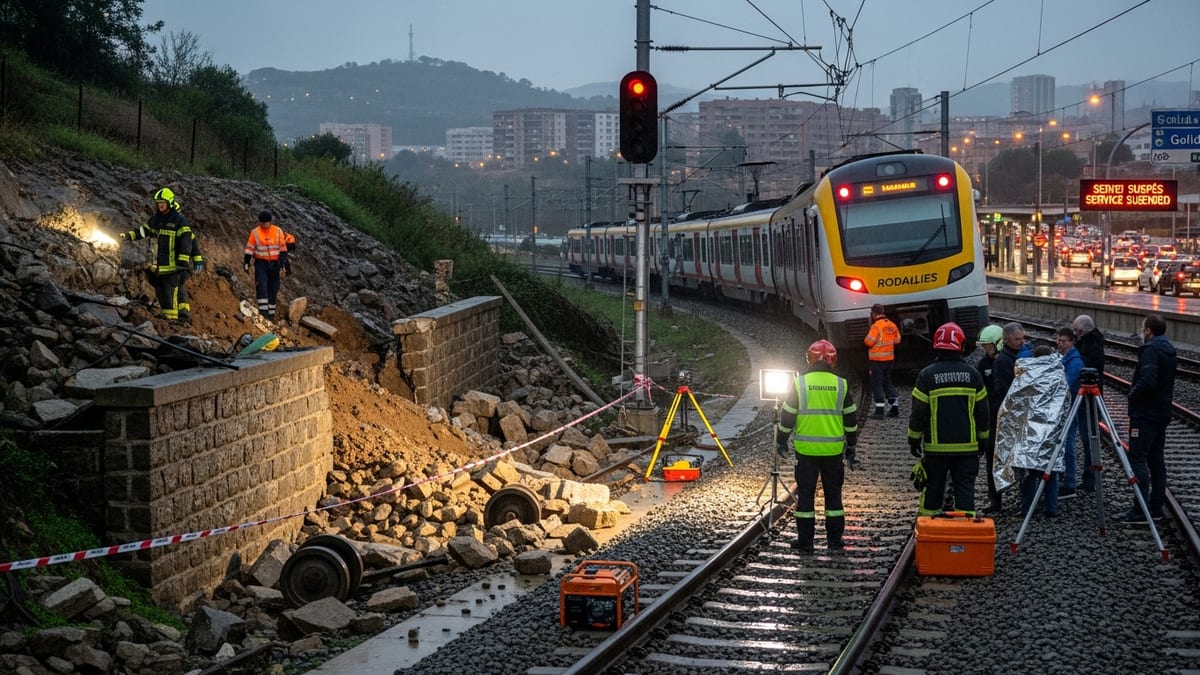
Service resumes after early-morning rail repairs
Publicly available information indicates that an out-of-service Link light rail train derailed at low speed as it entered International District/Chinatown Station shortly after midnight. The incident occurred just as large post-concert crowds were heading home, leading to significant disruptions across the system through Sunday morning.
According to published coverage, no passengers were on board the derailed train and no injuries were reported. The train reportedly left the tracks near a track switch at the south end of the downtown transit tunnel, blocking a key bottleneck where multiple light rail lines converge.
Initial social media reports described a confusing scene as stadium-goers arriving at the station were met with barriers, emergency personnel and an immobilized train across the platform tracks. Riders posted images and accounts of being turned away from the station and instructed to seek buses, rideshare vehicles or other alternatives after service was suddenly halted.
By mid-morning Sunday, reports from riders and local media indicated that track repairs were complete and test trains were operating through the affected area. Regular service was subsequently restored, allowing trains to again run through downtown Seattle and reconnect the north and south segments of the Link network.
Shuttle buses and detours strain late-night travel
During the hours-long outage, Link trains were unable to pass through the International District/Chinatown chokepoint, effectively splitting the light rail system into separate northern and southern sections. Publicly available information shows that transit agencies activated substitute bus service, but late-night coverage and crowd volumes challenged the temporary setup.
Riders described being offloaded at stadium-area stations and directed to street-level shuttle stops or existing bus routes with little advance notice. Some accounts referenced waits of an hour or more for alternative transportation as lines grew outside the station complex and rideshare prices surged across central Seattle.
Reports also highlight that the disruption coincided with a major stadium concert, compounding demand on the system at a time when late-night bus frequencies are typically reduced. The combination of a rail outage, limited overnight bus service and downtown traffic congestion left many travelers facing extended trips home across the region.
Transit advocates commenting publicly on the incident pointed to the challenges of relying on ad hoc shuttle buses to replace high-capacity light rail trains, particularly in the hours after large events when thousands of riders depend on frequent, predictable service.
Cause under review as track switch area scrutinized
The precise cause of the derailment has not yet been fully detailed, but early descriptions from riders and local coverage focus on the complex switchwork at the entrance to International District/Chinatown Station. That section of track handles train movements in and out of the downtown tunnel, making it one of the most critical segments of the Link network.
Reports indicate that the derailed train was not in passenger service and was moving slowly when at least one wheelset left the rails. Photos posted online appear to show the train canted slightly off the track near a switch assembly, with crews later seen inspecting and repairing the rail infrastructure in the area.
According to background information on rail operations, even low-speed derailments can require extensive inspection of both vehicles and track before service can safely resume. Work typically includes checking switch components, verifying rail alignment, and confirming the integrity of signal systems that control train movements through the affected zone.
Transit system documentation shows that any incident involving a derailment triggers a formal investigation and detailed review of maintenance records, operating procedures and equipment performance. Findings from that process are expected to shape any future changes to inspection routines or operating rules at the busy downtown junction.
Growing system faces questions over reliability
The derailment and subsequent shutdown arrive during a period of rapid expansion for Seattle’s light rail network. Recent extensions have pushed Link south into Federal Way and east across Lake Washington, while new infill stations and capacity upgrades are in progress along existing lines.
With more track, trains and passengers than ever before, the system’s resilience to service disruptions is drawing increasing attention from riders and transportation observers. In recent months, published reports and rider accounts have highlighted a series of smaller outages linked to power issues, maintenance work and infrastructure problems along key corridors.
Travel behavior studies on rail networks in other cities suggest that recurring unplanned disruptions can erode public confidence and encourage riders to shift to private cars or rideshare services when reliability is perceived to be slipping. For Seattle, where long-term planning assumes significant growth in transit ridership to meet climate and congestion goals, maintaining dependable light rail operations is widely seen as essential.
The latest incident is likely to add urgency to ongoing conversations about funding, maintenance staffing and contingency planning for Link. Observers note that each high-profile breakdown on event nights or during peak travel periods underscores the importance of robust backup service and clear passenger communication.
Riders call for clearer communication and stronger backup plans
In the wake of the derailment, many riders took to social platforms and community forums to share their experiences and suggestions. A recurring theme in those posts was the need for faster, clearer updates when major disruptions occur, particularly for travelers unfamiliar with the region’s broader bus network.
Several accounts described confusing or inaudible announcements on station platforms, along with inconsistent guidance on where to find replacement buses or which routes could best approximate the usual light rail journey. Some riders reported relying on navigation apps and crowdsourced information from fellow passengers rather than official signage or audio messages.
Transit-focused commentators emphasized the value of pre-planned contingency routes, higher-frequency “rail replacement” bus services and easily understood wayfinding for emergency scenarios. They also pointed to examples in other metropolitan areas where detailed disruption playbooks help agencies mobilize additional buses, staff and information channels within minutes of a rail failure.
As regular service settles back into place, attention is likely to turn to how lessons from this derailment will be incorporated into future planning. For many daily riders, the central concern is that the next late-night disruption, whether caused by a mechanical issue, infrastructure fault or power loss, will come with more predictable alternatives than the scramble experienced after this weekend’s late-night derailment.