


More news on this day
Regional Rail commuters across the Philadelphia area faced major disruptions on Wednesday after a SEPTA train derailed overnight in North Philadelphia, forcing multiple line suspensions and cascading delays through the morning rush.
Get the latest news straight to your inbox!
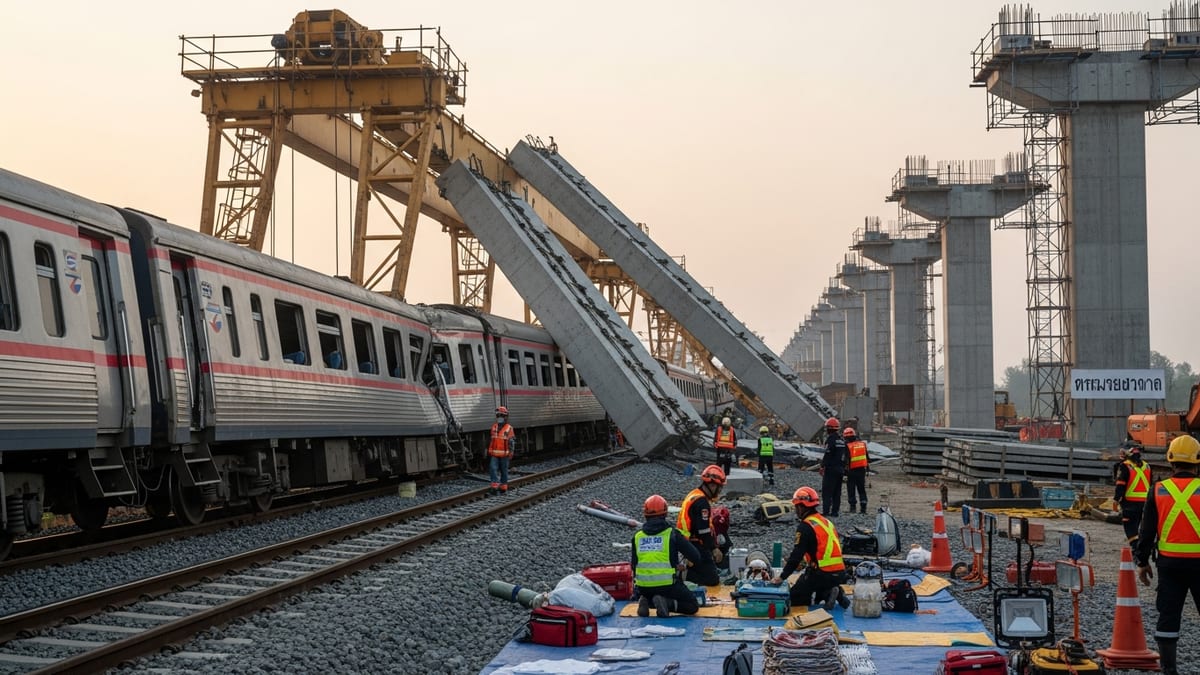
Overnight derailment triggers morning commute chaos
According to published coverage, the derailment occurred shortly after midnight on Wednesday, July 1, near a busy rail junction in North Philadelphia, where several SEPTA Regional Rail lines converge. A train operating on the Manayunk-Norristown Line left the tracks in an area used by multiple routes, creating a choke point that quickly affected service authority-wide.
Early-morning reports indicate that no life-threatening injuries were immediately identified, but rail equipment and track infrastructure were damaged enough to halt normal operations. Rail traffic in and out of Center City was especially impacted as dispatchers shifted trains onto limited available tracks to keep at least some service running.
As the morning peak began, riders encountered packed platforms, unexpected gaps in service, and last-minute train cancellations. Information shared through news outlets and rider alerts showed Regional Rail timetables heavily disrupted, with some trains suspended outright and others running on modified or emergency schedules.
Photographs and video published by local media appeared to show multiple cars from the derailed train leaning off the rails but remaining upright, with crews inspecting wheels, couplers, and overhead wires in the predawn hours while floodlights illuminated the scene.
Several Regional Rail lines suspended or curtailed
Publicly available service information showed the heaviest impacts on the Manayunk-Norristown Line, where service was suspended over the segment affected by the derailment. Trains that would normally operate through North Philadelphia were either canceled or turned back short of the blocked area, leaving some stations without morning rail service.
Coverage from Philadelphia television and radio outlets indicated that other lines using the same rail corridor, including select Chestnut Hill and Lansdale-Doylestown trains, experienced severe delays, equipment shortages, or partial suspensions. In some cases, trains were held at outlying terminals while dispatchers attempted to deconflict movements through the restricted zone.
Service on additional lines, such as Trenton, Warminster, and West Trenton, was reported to be operating with delays as dispatchers rerouted equipment and adjusted schedules. Even lines not directly routed past the derailment site were affected as sets of railcars and crews failed to return to their normal starting points in time for the morning rush.
Riders checking digital boards and station announcements encountered a patchwork of temporary patterns: some trains operating express, others making additional local stops, and several usual peak-period extras absent altogether. For many commuters, trip times stretched well beyond typical durations.
Alternate routes and contingency options for travelers
With Regional Rail service significantly reduced, publicly shared guidance from transit updates highlighted alternate ways to reach Center City and key employment hubs. Passengers on the Manayunk-Norristown corridor were encouraged by news reports to shift to the Manayunk and Wissahickon stops on the Norristown High Speed Line and nearby bus routes where available, then transfer to subway or trolley services.
At Fern Rock Transit Center, where Regional Rail, the Broad Street Line subway, and several bus routes intersect, staff and signage directed riders toward the subway as a substitute for disrupted commuter trains. Coverage from local outlets described crowds transferring from Regional Rail platforms down to the Broad Street Line, which was absorbing additional demand from suburbs to Center City.
Travelers from Bucks and Montgomery Counties were advised through regional news reports to use the Market-Frankford Line, the Broad Street Line, and center-city trolley routes as alternatives, even if it meant driving or taking a bus to a different station than usual. Some commuters opted to park at subway and high-speed line terminals with larger park-and-ride facilities in an effort to bypass rail bottlenecks.
For visitors and occasional riders, the patchwork of changes created an added layer of uncertainty. Travel-related coverage recommended allowing significant extra time, checking real-time advisories before departing, and remaining flexible about which station or line to use for trips into and out of the city.
Ongoing recovery work and safety focus
Rail operations personnel and contractors spent the morning working to re-rail the affected cars, inspect tracks, and confirm that signaling and overhead power systems remained intact. According to published reports, heavy equipment was brought in to lift and reposition the derailed coaches, a process that can take hours even for relatively minor incidents.
Investigators are expected to review the train’s movement, track conditions, and recent maintenance records to determine what caused the derailment. Factors typically examined in such situations include rail alignment, switch positions, wheel and axle condition, and any issues with signaling or communication systems.
While the incident did not match the scale of the most serious rail disasters, travel and transportation commentators noted that even low-speed derailments in dense commuter corridors can have an outsized impact on daily life. Regional Rail serves as a vital link for suburban workers, airport travelers, students, and visitors, and any extended disruption can strain parallel roads and transit routes.
Public information from recent years shows that SEPTA has invested in safety upgrades such as positive train control across its Regional Rail network and has been working through fleet maintenance and replacement programs. The derailment is likely to draw renewed attention to the condition of key junctions and the resilience of the system during periods of heavy demand.
What riders can expect in the coming days
As crews clear the damaged train and complete inspections, service restorations are expected to occur in stages rather than all at once. Published advisories often follow a pattern in which limited service is restored first, with longer gaps between trains and slower speeds through the affected area, followed by a gradual return to normal schedules once repairs and safety checks are complete.
For commuters planning trips over the next several days, transportation coverage is emphasizing the importance of monitoring alerts before leaving home, especially during the morning and evening peaks. Riders may continue to see altered stopping patterns, combined trains, or platform changes as dispatchers work to rebalance the system.
The disruption comes at a time when Regional Rail is preparing for schedule changes and growing ridership related to summer events and tourism. Travel experts note that the derailment could temporarily reduce confidence among some riders but also highlight the value of redundant options, including Philadelphia’s extensive bus, subway, and trolley network, as well as intercity rail connections.
For visitors arriving in the city during this period, news organizations advise checking both intercity rail updates and local transit advisories, and being prepared to use subway and bus connections instead of relying solely on commuter rail. Until full service is restored, flexibility and extra travel time will remain essential for anyone using the SEPTA Regional Rail system.