


For many skiers and snowboarders from the UK, Snowcard is almost a rite of passage: a specialist name that comes up again and again when planning a winter sports trip. But with more insurers now offering dedicated ski and snowboard options, and with mixed customer reviews appearing online, adventure travelers are asking a sharper question: should you still use Snowcard travel insurance for winter sports, or are there better options for your style of riding and risk tolerance?
Get the latest updates straight to your inbox!
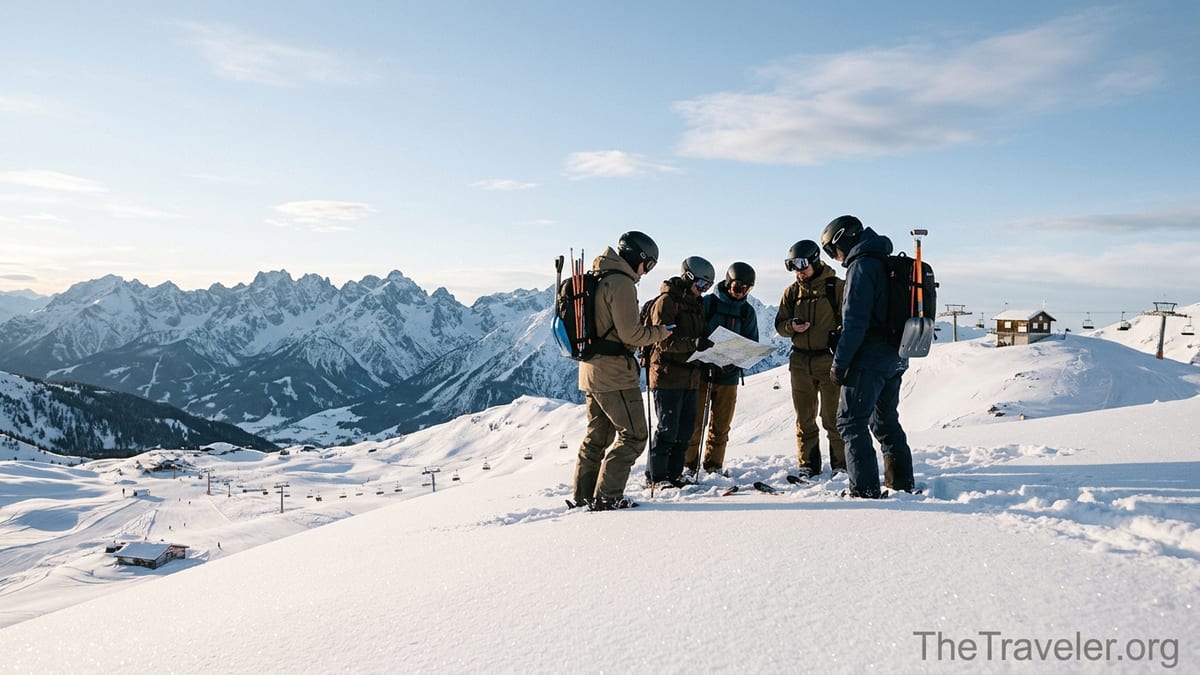
What Snowcard Actually Offers Winter Sports Travelers
Snowcard is a long‑running UK specialist in activity and winter sports travel insurance, with more than three decades focused on mountain and adventure trips. Its policies are designed around the activities you do, not just the destination. When you buy a Snowcard policy, you start by choosing an activity level that matches your main plans, such as on‑piste skiing, off‑piste touring, heli‑skiing, or mountaineering, and then build your cover limits from there. All policies currently include emergency medical expenses and rescue, including helicopter rescue and repatriation back to the UK, up to multi‑million‑pound limits that are in line with what Alpine resorts typically recommend for visitors.
For winter sports specifically, Snowcard highlights cover for on‑ and off‑piste skiing and snowboarding, ski touring, splitboarding, and more specialist pursuits like ski mountaineering and heli‑skiing. This is a notable step beyond many mainstream travel insurers that only insure you while you stay on marked pistes and often exclude terrain parks, backcountry routes, or trips that involve ski touring equipment. A typical Snowcard customer might be a British skier spending a week doing guided off‑piste in Chamonix, or a splitboarder booking a hut‑to‑hut tour in the Austrian Alps, rather than someone taking a first‑time family trip to a small resort.
One of the distinctive features of Snowcard is its flexibility in setting sums insured. Instead of buying a fixed bronze, silver, or gold package, you can adjust levels for cancellation, baggage, equipment, and other benefits to match the value of your trip and kit. For example, a snowboarder traveling with a high‑end splitboard and avalanche gear can opt for higher equipment limits without necessarily increasing trip cancellation cover. That flexibility is appealing if your needs don’t fit standard packages, though it does require a bit more time and attention during purchase to avoid underinsuring yourself.
Snowcard acts as a specialist intermediary and the policies themselves are underwritten by major insurers. Claims handling is outsourced to those underwriters, which is standard practice in the UK market. This separation becomes important when you look at recent customer experiences, because travelers need to understand that customer service at purchase and customer service during a claim may feel quite different.
Real‑World Scenarios: When Snowcard Works Well
To understand whether Snowcard is a good choice, it helps to look at concrete situations winter sports travelers actually face. Imagine a group of experienced off‑piste skiers from London booking a week in La Grave, a French resort known for its ungroomed terrain and lack of marked pistes. Many mainstream British travel insurers either exclude off‑piste skiing without a guide or define off‑piste so narrowly that most of La Grave would not count as covered. In this case, choosing a Snowcard activity level that specifically covers off‑piste and backcountry terrain makes it easier to ski the routes you want without constantly worrying about whether a fall or rescue would void your insurance.
Another example is a splitboarder planning a weeklong hut tour in Austria. The trip might involve using climbing skins, carrying avalanche gear, and spending most of the time outside resort boundaries, sometimes with a guide and sometimes independently. Standard travel policies that simply add a “winter sports” tick‑box often stop cover as soon as you leave groomed runs or ride away from lift‑served terrain. Snowcard’s higher‑tier activity categories are designed with exactly this style of touring in mind, which is one reason many British backcountry riders still gravitate toward the brand.
Even for less extreme trips, Snowcard can make sense when your main priority is robust rescue and medical cover. A ski instructor taking a season job in the Alps, for example, might be less concerned about baggage limits and more focused on ensuring that a serious knee injury, surgery in a private clinic, and medical repatriation back to the UK would all be covered. Snowcard’s focus on high emergency medical limits and explicit inclusion of search and rescue aligns with those needs in a way that some cheaper online policies do not.
Finally, travelers with complex multi‑activity itineraries often find Snowcard easier than juggling several policies. A mountaineer spending early March ice climbing in Cogne, Italy, then shifting to ski touring in the Dolomites, can select an activity level that encompasses both ice climbing and ski touring, rather than trying to interpret whether two or three separate insurers see these as covered or excluded activities. That simplicity is especially valuable when the weather forces a last‑minute change in activities and you need confidence you are still fully insured.
Where Snowcard May Fall Short for Adventure Travelers
Specialist focus and flexible cover do not automatically make Snowcard the right answer for every winter sports traveler. One of the most visible warning signs in recent years has been a decline in Snowcard’s aggregated online review scores. On major review platforms, Snowcard’s rating has slipped below what many travelers expect for a premium specialist product, with several critical reviews focusing on slow claims processing and communication challenges with the external claims handler, rather than with Snowcard staff themselves.
Many of the negative experiences describe familiar pain points in the insurance industry: limited updates on medical claims, long waits for reimbursement, and difficulty getting clear information while still abroad. For instance, some reviewers who suffered injuries while skiing in the Alps reported weeks or months of back‑and‑forth with the underwriter before claims were settled. While these issues are not unique to Snowcard, they matter because adventure travelers often choose a specialist expecting smoother support precisely when they are most vulnerable.
Price can also be a drawback, especially for more casual skiers and snowboarders. A British family booking a simple four‑day trip to a mainstream resort in France or Andorra might find that Snowcard’s tailored activity‑based policy comes out noticeably more expensive than an annual multi‑trip policy from a high‑street insurer that adds winter sports as a low‑cost extra. For someone skiing one week a year on moderate pistes, that price difference may not feel justified, particularly if they never go off‑piste or use terrain parks.
Another limitation is that Snowcard is primarily designed for travelers resident in the UK. Non‑UK residents or people now based in the United States looking to insure winter sports trips in Europe or Japan will usually need to look elsewhere, such as local insurers, international brands that serve their home country, or mountain‑specific covers linked to lift passes. Even some British travelers planning extended stays or working seasons in the mountains might find that specialized season‑long mountain insurance, or cover obtained via local alpine clubs, offers better value or more tailored benefits than a standard Snowcard policy.
Comparing Snowcard With Other Winter Sports Insurance Options
When you compare Snowcard against other winter sports insurance choices, the differences usually fall into three areas: what activities are covered, how clearly off‑piste and backcountry are defined, and how high the rescue and medical limits are. For example, several mainstream UK travel insurers provide winter sports add‑ons that technically include skiing and snowboarding, but define “on‑piste” narrowly and exclude anything beyond marked, groomed runs. That means a short foray into side‑country terrain or a tree run between pistes could void your cover if something goes wrong.
By contrast, Snowcard’s higher‑tier activity levels explicitly include backcountry touring, heli‑skiing, and ski mountaineering, which places it closer to the more adventurous end of the market. Comparable alternatives include certain specialist policies offered through mountaineering clubs, and niche brokers that work closely with guiding companies and ski schools. Some European resorts also offer rescue‑focused products linked to your lift pass, such as local rescue cards that cover slope rescue and basic emergency costs but leave you to arrange separate travel insurance for trip cancellation and wider medical expenses.
Price comparisons can be revealing. A British skier booking a one‑week off‑piste course in Verbier might see Snowcard quoted at a higher premium than a basic winter sports add‑on from a general insurer, but closer in cost to more fully featured ski‑specific products from other winter sports specialists. That reflects the fact that covering off‑piste and backcountry inherently costs more than covering just groomed runs. Travelers who mostly stick to blue and red pistes can often obtain adequate, cheaper cover elsewhere, whereas those pushing into more serious terrain may find that paying a higher premium to Snowcard or a competitor is a rational trade‑off.
One important nuance is how policies handle terrain parks and freestyle features. Some general travel insurance products exclude “park and pipe” or jumps outright, even while advertising winter sports cover. Snowcard’s activity‑based structure allows riders who spend time in snow parks to select appropriate levels, but it is essential to confirm the exact wording in the latest policy document before assuming coverage. As always in insurance, the comfort of a brand name should never replace reading the fine print specific to your trip.
Key Policy Details Winter Sports Travelers Should Check
Regardless of whether you choose Snowcard or a different insurer, winter sports travelers should scrutinize certain policy details that consistently lead to confusion. The first is the definition of off‑piste and how it relates to resort boundaries. Some policies cover off‑piste skiing and snowboarding only when within resort limits and under certain avalanche conditions, while others require you to be with a qualified guide for any off‑piste activity. Snowcard’s various activity levels make explicit distinctions between casual off‑piste, guided touring, and full ski mountaineering, but the traveler must actively choose the right category.
Second, pay close attention to equipment cover. Many winter sports travelers carry several thousand pounds worth of skis, boards, boots, and avalanche gear. Insurers often place sub‑limits on single items, theft from vehicles, or damage during airline transport. With Snowcard, you can raise equipment limits, but it is still wise to check whether your most valuable items, such as a custom splitboard or high‑end camera, might be better insured under a separate home or specialist gear policy.
Third, check how long winter sports cover applies on an annual policy. Some travel insurers cap the number of days per year you can ski or snowboard, even if your overall trip allowance is much higher. A British digital nomad who spends several months in the Alps might exhaust their annual winter sports day limit quickly. Snowcard’s documents specify maximum trip durations and any seasonal limits, so long‑stay travelers should verify that their planned time on snow fits comfortably within those constraints.
Finally, understand the exclusion clauses around alcohol, reckless behavior, and avalanche warnings. Whether you insure with Snowcard or a competitor, most policies will not pay out if you are skiing under the influence of alcohol beyond a certain level, ignoring official piste closures, or entering clearly prohibited terrain. For off‑piste enthusiasts, that means matching your risk decisions to the standards your insurer expects, rather than assuming any adventurous choice will automatically be covered because you bought a specialist product.
How Snowcard Fits Different Types of Adventure Travelers
Not all winter sports travelers have the same profile, and Snowcard suits some groups better than others. Experienced ski tourers, splitboarders, and ski mountaineers who travel from the UK to the Alps, Scandinavia, or further afield often find Snowcard a strong, if not perfect, fit. The ability to choose activity levels that explicitly name their sport, plus high rescue and medical limits, aligns with the higher‑risk environment they operate in. For these travelers, the main alternative is often another specialist broker or cover obtained through a mountaineering club or mountain guide association.
On the other hand, first‑time skiers heading on a short package holiday might see Snowcard as overkill. If you are taking a three‑day trip to a beginner‑friendly resort, staying mostly on green and blue runs with a ski school, a mainstream travel insurer’s winter sports add‑on may offer adequate protection at a lower cost. In that scenario, the main priority is simply ensuring that winter sports are not excluded from your policy, that rescue and medical limits are reasonably high, and that you understand any requirements around helmets, rental equipment, and piste closures.
There are also hybrid cases. A snowboarder who spends one week per year in the Alps but habitually rides off‑piste with friends may be poorly served by the cheapest “on‑piste only” cover, yet may not need the full depth of a mountaineering‑oriented product. For this rider, Snowcard’s mid‑range activity levels or a similar competitor can be a sensible compromise: more expensive than basic policies, but substantially more realistic about how they actually spend their time on snow.
For travelers based outside the UK, such as Americans planning to ski in Japan or Canadians booking an off‑piste trip to the Dolomites, Snowcard is not usually an option. Instead, they would look at domestic insurers that offer dedicated snow sports products, credit‑card‑linked insurance with clear winter sports extensions, or mountain‑specific schemes promoted through local ski clubs and guiding outfits. However, the same decision logic applies: define your real behavior on snow, then choose a policy, Snowcard or otherwise, that explicitly covers that behavior rather than an idealized, safer version of your plans.
The Takeaway
So, should adventure travelers use Snowcard travel insurance for winter sports? For many UK‑based skiers, snowboarders, and backcountry enthusiasts who regularly push beyond marked pistes, the answer is “quite possibly, but not automatically.” Snowcard’s long focus on mountain sports, its activity‑based structure, and its high medical and rescue limits make it a credible option for riders tackling more serious terrain, from guided off‑piste days in Verbier to multi‑day ski touring in Norway. In those settings, generic winter sports add‑ons often fall short, and the cost difference is easier to justify.
However, Snowcard is not a universal best choice, and it has visible weaknesses. Online reviews highlight frustrations around slow claims processing and communication with third‑party claims handlers, a reminder that buying from a respected specialist does not guarantee a friction‑free experience when something goes wrong. Casual skiers sticking to gentle pistes may find good‑enough cover at lower cost from mainstream providers, and non‑UK residents generally need to look elsewhere. Ultimately, Snowcard is most compelling when you know you will venture off the beaten path, you are comfortable carefully configuring your cover, and you accept that specialist focus does not exempt you from reading the policy wordings line by line.
For any winter sports traveler, the best approach is to start with your itinerary, not the brand. Map out where you will ski or ride, what kind of terrain you will tackle, what gear you will bring, and how long you will be away. Then compare Snowcard’s latest policy wording against at least one or two reputable alternatives, paying particular attention to off‑piste definitions, rescue and medical limits, equipment cover, and maximum trip duration. If Snowcard matches your real‑world plans better than the competition at a price you find acceptable, it can still be a strong ally for your next winter adventure.
FAQ
Q1. Is Snowcard good for off‑piste skiing and snowboarding?
Snowcard is designed with off‑piste and backcountry riders in mind, provided you choose an activity level that explicitly covers the type of terrain and guiding arrangements you plan to use. You must still follow local safety advice and any conditions set out in the policy, such as avalanche warnings and resort rules.
Q2. Does Snowcard cover heli‑skiing and ski touring?
Certain higher‑tier Snowcard activity levels include heli‑skiing, snowcat skiing, ski touring, and ski mountaineering. You need to select these levels during purchase and confirm the latest wording in the policy document, as cover depends on the category you choose and may require professional guides for some activities.
Q3. Is Snowcard more expensive than standard winter sports travel insurance?
Snowcard often costs more than basic winter sports add‑ons from mainstream insurers, especially at higher activity levels. For casual on‑piste skiing, you may find cheaper options elsewhere. For advanced off‑piste or touring, the price gap usually narrows because other specialist policies charge similar premiums for higher‑risk activities.
Q4. How flexible is Snowcard’s equipment cover for skis and snowboards?
Snowcard lets you adjust the level of equipment cover, which can help protect higher‑value skis, snowboards, and avalanche gear. However, single‑item limits and theft or damage conditions still apply, so expensive items like custom boards or camera gear may need additional cover under home or specialist equipment policies.
Q5. Does Snowcard cover terrain parks and freestyle riding?
Some activity levels can extend to terrain parks and freestyle features, but coverage depends on the exact wording in the current policy. Because many insurers place restrictions on jumps and park riding, you should always check Snowcard’s latest documents and, if necessary, contact them directly to confirm whether your style of riding is fully covered.
Q6. Who should probably not choose Snowcard?
First‑time or occasional skiers who stay on easy pistes for a short holiday may not need Snowcard’s specialist focus or pricing and might find good‑enough protection in more affordable mainstream policies. Non‑UK residents and some long‑term seasonal workers may also be better served by local or season‑long mountain insurance tailored to their circumstances.
Q7. How do customer reviews of Snowcard compare with rivals?
Recent online reviews show a mixed picture, with some travelers praising Snowcard’s cover for off‑piste and touring and others criticizing slow or difficult claims processes handled by external underwriters. This pattern is not unique to Snowcard, but it underlines the value of reading independent feedback and not relying solely on marketing claims.
Q8. Does Snowcard cover rescue and repatriation if I am injured abroad?
Snowcard policies typically include substantial emergency medical, rescue, and repatriation limits, which can cover mountain rescue, ambulance or helicopter transport, hospital treatment, and medically necessary return to the UK. Exact limits and conditions vary by policy, so check the current wording to ensure it meets the cost levels common in your chosen destination.
Q9. Can I use Snowcard for a whole winter season in the Alps?
Snowcard offers single‑trip and annual multi‑trip options with specified maximum trip lengths and, in some cases, limits on the number of days you can spend skiing in a year. If you plan to spend an entire season in the Alps, you must confirm that these limits fit your plans; in some cases, dedicated season‑long mountain insurance or local schemes may be more appropriate.
Q10. What should I check in Snowcard’s policy before buying?
Before purchasing, review how your chosen activity level defines off‑piste and backcountry, the emergency medical and rescue limits, equipment sub‑limits, exclusions around alcohol and risky behavior, and any caps on trip duration or winter sports days. Comparing these details with at least one or two alternative insurers will help you decide whether Snowcard is the right fit for your specific winter sports trip.