


More news on this day
A nighttime fire affecting two railcars on a passenger train near Simri Bakhtiyarpur in Bihar has disrupted services along a key regional route and renewed attention on rail safety for travelers in eastern India.
Get the latest news straight to your inbox!
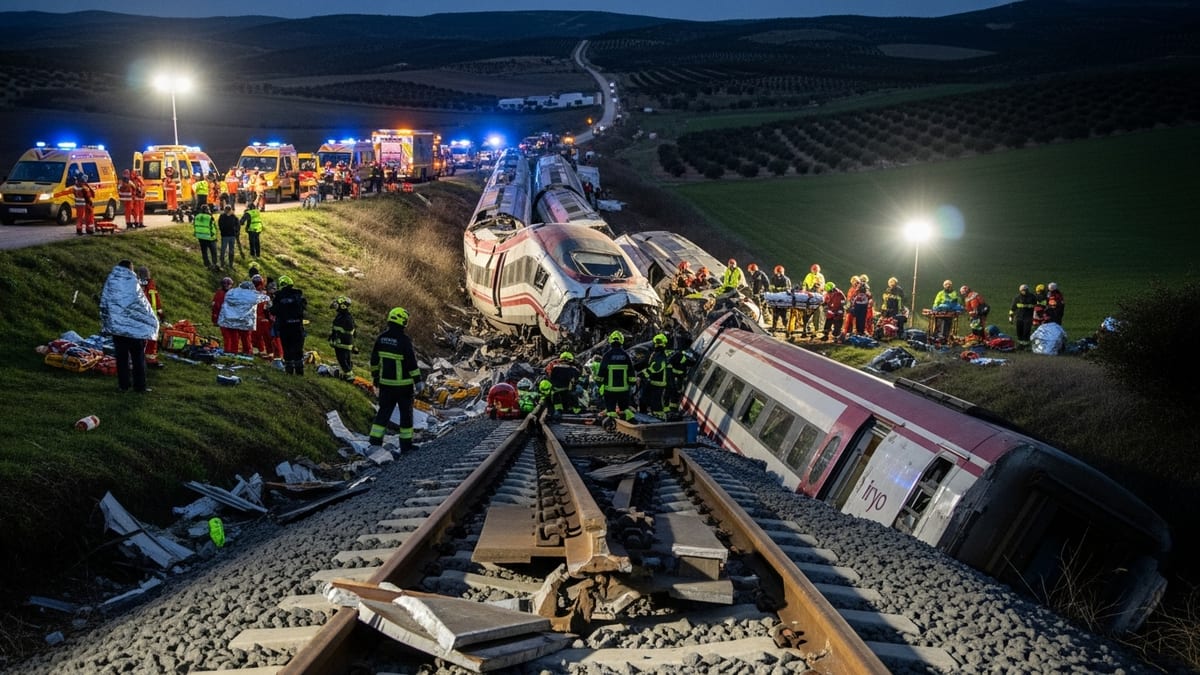
Fire damages two coaches near Simri Bakhtiyarpur
According to early regional coverage and rail-operations updates, the incident occurred near Simri Bakhtiyarpur railway station on the Mansi to Saharsa line in Bihar, a corridor that carries a mix of long distance and local passenger services. Reports indicate that smoke was first noticed in one coach, with flames spreading to an adjacent railcar before the train could be brought to a halt.
Publicly available information suggests that the affected coaches sustained significant fire and heat damage, with windows, interior fittings, and electrical systems heavily impacted. Visuals from the scene circulating in local media show charred exteriors and discolored paintwork along much of the length of both cars.
Initial accounts from passengers and bystanders cited in local reporting describe a rapid effort to move travelers away from the affected section of the train as the fire intensified. Rail personnel and people on the platform are reported to have helped guide passengers farther down the train and toward the station area once it had stopped.
As of the latest updates available at the time of writing, there were no detailed public statements on the precise cause of the fire. Technical assessments of the damaged coaches are expected to focus on electrical wiring, onboard equipment, and any flammable materials stored in vestibules or luggage racks.
Simri Bakhtiyarpur’s role in regional rail travel
Simri Bakhtiyarpur is a small but busy stop in Bihar’s Saharsa district, situated on the electrified Mansi to Saharsa section of the East Central Railway. The station typically serves multiple daily passenger and MEMU trains that connect smaller towns to larger junctions, providing vital links for commuters, students, and migrant workers.
The line is widely used as a feeder route into major hubs in northern and eastern India, meaning even short disruptions can ripple through schedules on connecting services. Travelers heading toward Saharsa, Mansi, and further afield often rely on timed connections, so any extended closure or single line working can quickly create delays across a wide area.
The latest incident highlights how even a localized fire involving two railcars can have outsized effects on travel plans during busy periods. With many passengers using these services for essential journeys such as medical visits, examinations, or work-related travel, unexpected cancellations or diversions can be particularly disruptive.
Railway data and prior operational summaries show that this section has seen increasing passenger volumes in recent years, with higher train frequencies and more electric traction. That growth amplifies the impact of safety incidents, especially when they involve rolling stock that must be withdrawn from service for inspection and repair.
Impact on services and passenger movement
Service updates following the fire indicate that rail traffic through Simri Bakhtiyarpur experienced temporary disruption while the damaged coaches were isolated and moved off the main running line. Some trains were reported to be held at preceding stations, while others were routed at reduced speed through the affected stretch.
For travelers already en route, the most immediate consequence was extended journey times and missed onward connections. In a region where rail remains the most affordable and practical mode of intercity transport, delays can mean unexpected overnight stops, additional expenses, and missed commitments.
Local coverage notes that short distance services in particular may have been turned back or partially cancelled while safety checks were carried out. Passengers attempting to board at smaller intermediate stations often have limited alternative options, and may rely on infrequent buses or costly road transport if trains are suspended.
While line operations were gradually restored after the coaches were detached and the track inspected, residual delays and timetable adjustments are expected to persist until rolling stock rotations stabilize. Travelers planning to pass through the Mansi to Saharsa corridor are being advised in public reporting to verify train status before heading to the station.
Early focus on cause and safety protocols
In the aftermath of the fire, attention is turning to the question of how a blaze was able to damage two entire railcars. Historical case studies of train fires in South Asia often point to a mix of electrical faults, overworked coach equipment, and the presence of flammable materials in passenger areas as contributing factors.
Recent analyses of regional rail safety emphasize the importance of routine inspection of wiring, air conditioning units, lighting circuits, and charging points, especially on older coaches that have undergone repeated refurbishments. Any failure in these systems can generate intense heat in confined spaces, giving rise to smoke and flames that can spread rapidly along the length of a carriage.
Travel-safety advocates frequently highlight the need for clear evacuation instructions, functional emergency windows, and unobstructed gangways so that passengers can move quickly away from affected areas. Visual evidence from the Simri Bakhtiyarpur incident suggests that people were able to leave the involved coaches, but the speed at which smoke filled the interior will likely be a focal point of subsequent assessments.
Publicly accessible technical reviews that follow such events can influence future investments in modern coach designs, fire-resistant interior materials, and automatic detection systems capable of alerting train crews at the earliest sign of overheating or smoke.
What it means for travelers on India’s busy rail network
The incident near Simri Bakhtiyarpur comes at a time when India’s rail network is experiencing a surge in demand from domestic tourism, labor migration, and business travel. For many passengers, particularly in smaller towns, rail remains the primary link to major cities and essential services.
While large-scale accidents tend to draw national attention, smaller but serious episodes such as localized train fires also shape public perception of safety. When two coaches are visibly damaged by flames, it reinforces concerns about whether aging rolling stock and high utilization rates are being matched by investments in maintenance and modern safety systems.
For travelers, practical takeaways include remaining aware of the location of emergency exits, avoiding obstructing vestibules and doorways with luggage, and promptly reporting any smell of burning, visible sparks, or unusual smoke to onboard staff. Even small signs of trouble can be early indicators of an electrical issue that, if addressed quickly, may prevent substantial damage.
As operations normalize along the Mansi to Saharsa line, passengers passing through Simri Bakhtiyarpur are likely to encounter visible signs of heightened vigilance, such as additional checks of coaches and equipment. Although the full technical findings from the incident have yet to be detailed in public reports, the fire-damaged railcars stand as a stark reminder of the importance of continuous safety improvements on one of the world’s busiest passenger rail systems.